


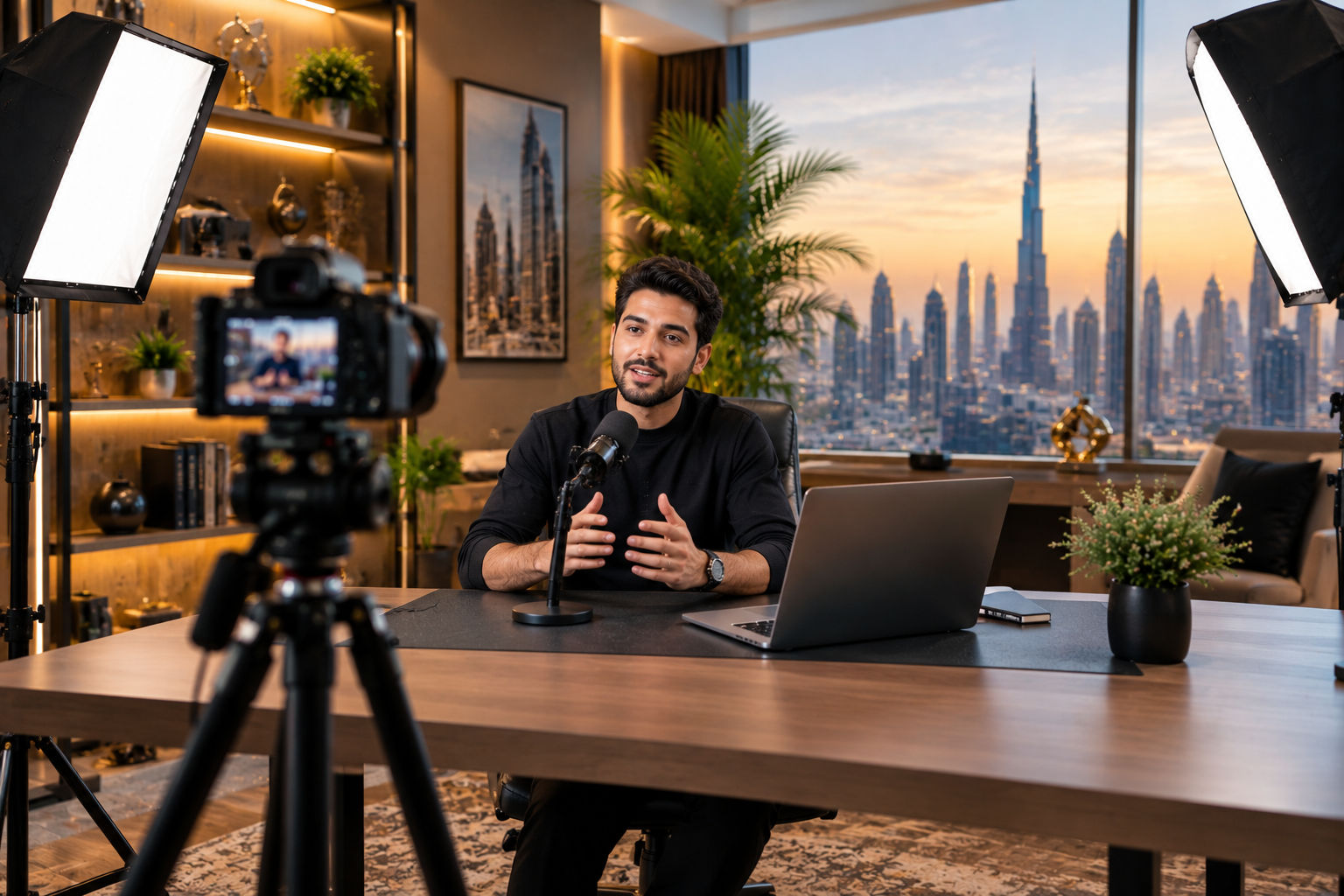
The UAE has become a vibrant hub for digital content, and podcasting is now a preferred way to reach diverse audiences. The country also has strong media regulations, so creators need to understand the rules to avoid penalties and protect their work. Navigating UAE media laws is not just good practice for podcasters in Dubai; it is essential.
What UAE Media Laws Mean for Podcasters
The UAE's media laws are primarily governed by the National Media Council (NMC) and, more recently, the Media Regulatory Office, which falls under the Ministry of Culture and Youth. The laws aim to protect national values, ensure information is shared accurately, and foster a positive cultural image of the UAE.
For podcasters, that means being mindful of religion, politics, public morality, and defamation. Content that violates Islamic principles, spreads false information or disrespects government institutions can lead to fines, censorship or even imprisonment. For international podcasters unfamiliar with the rules, the learning curve can be steep.
Many first-time hosts also do not realise that starting a show here carries more responsibility than uploading episodes online. Depending on the nature of your podcast, you may need to apply for a media licence or obtain permits for commercial use. Requirements depend on the show, so check with the relevant authorities rather than relying on any general guide, this one included, which is not legal advice. Navigating UAE media law works best when it happens before your first recording, not after.
How a Studio Can Support Compliance
A podcast studio Dubai creators rely on can do more than supply microphones and soundproof booths. Gulf Podcast Studios describes its role in three ways:
-
Legal awareness support: the team stays informed about updates to UAE media laws and can guide creators on content that may need special attention or adjustment
-
Professional environment: editing and sound design are handled professionally to minimise unintentional legal risk
-
Confidentiality: strict protocols mean creators can discuss sensitive topics knowing their raw content will not be leaked or misused
Studios like this also help simplify the licensing side by offering content guidelines tailored to local regulations, connecting podcasters with legal consultants when needed and providing pre-publishing reviews that flag risky content. That proactive support matters most for expatriates and visiting creators who may be unfamiliar with Arabic culture and legal sensitivities.
Practical Tips for Staying on the Right Side of the Rules
Whether you are launching your first show or you are an experienced voice in the Middle East's digital space, five habits keep a podcast compliant:
-
Know your boundaries: avoid topics that challenge religion or government policies, and avoid anything that promotes hate speech
-
Fact-check: sharing false or unverified information, even unintentionally, can result in fines
-
Respect cultural norms: dress codes, language and humour that are acceptable in the West may not be appropriate in the UAE
-
Obtain a licence if required: if your podcast is commercial, verify with the relevant authorities whether a media licence is necessary
-
Partner with trusted studios: work with professionals who understand both the creative and legal sides of podcasting in Dubai
A simple routine helps. Before each episode, run through the topic, the facts, the tone and your licence status, and flag anything doubtful for a second opinion before it goes live.
Choosing a Studio That Understands the Local Landscape
Compliance support only helps if it is real, so ask specific questions before you book. Does the studio offer content guidelines tailored to local regulations? Can it connect you with legal consultants? Does it provide pre-publishing reviews? How does it protect your raw recordings? A podcast studio in Dubai residents and visitors use should be able to answer each of these clearly. Write the answers down, since a clear written reply is easier to rely on later than a verbal assurance, and compare them across any studios you shortlist.
Technical quality still matters alongside legal awareness. Gulf Podcast Studios in Business Bay runs a three-camera 4K setup with a studio operator on every session. Recording starts at AED 450 per hour, and recording with professional editing is AED 900 per hour, so the compliance support sits alongside complete production rather than replacing it.
Treat any studio's guidance as a safeguard, not a substitute for the authorities. The studio can flag what needs attention, but the decision on whether your show needs a licence or permit still rests with the relevant regulators.
Conclusion
Opportunity and responsibility go hand in hand in a fast-growing media landscape like Dubai. Know the topics regulators care about, fact-check your claims, respect cultural norms and confirm licence requirements before you publish. Navigating UAE media laws gets easier with the right partners and preparation, and a podcast studio Dubai creators trust can add legal awareness, confidentiality, and pre-publishing review to the technical side, so you can focus on telling stories that inform and entertain. If you would like to see the studio's approach first, you are welcome to look through Gulf Podcast Studios at your own pace.
Frequently Asked Questions
1. Who governs media content in the UAE?
Media laws are primarily governed by the National Media Council and, more recently, the Media Regulatory Office, which falls under the Ministry of Culture and Youth.
2. Which topics need the most care in a podcast?
Religion, politics, public morality and defamation. Content that violates Islamic principles, spreads false information or disrespects government institutions can lead to penalties.
3. Do I need a media licence for my podcast?
It depends on the nature of the show. If your podcast is commercial, verify with the relevant authorities whether a licence or permit is required. This is general information, not legal advice.
4. What can happen if content breaks the rules?
Consequences can include fines, censorship or even imprisonment, which is why checking content before publishing matters.
5. How can a studio help with compliance?
A studio can offer content guidelines tailored to local regulations, connect you with legal consultants, provide pre-publishing reviews and keep raw recordings confidential.

 English
 Arabic
 French
 Spanish
 Deutsch
 Turkish
 Dutch
Dutch
 Italiano
 Russian
 Romaian
 Portuguese (Brazil)
 Greek
Greek