


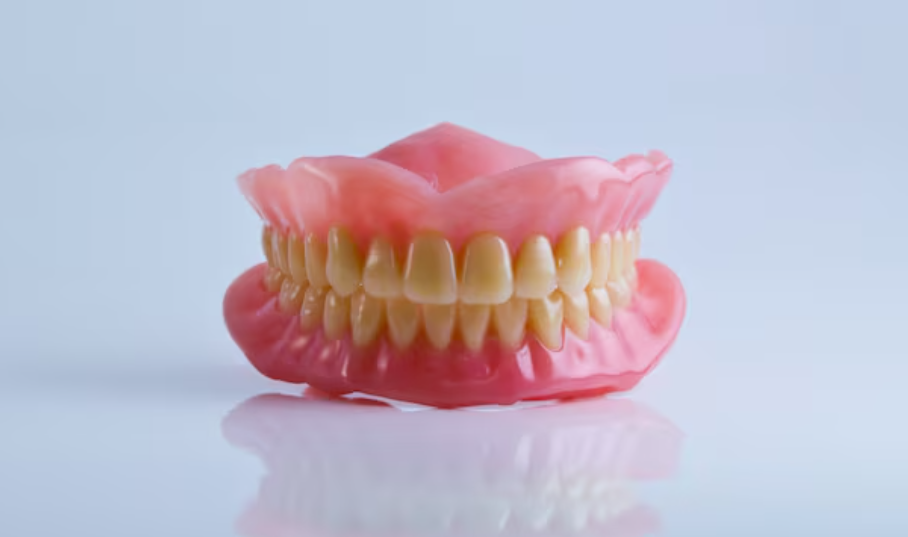
Missing teeth can affect more than just the appearance of a smile. They may influence confidence, speech, eating habits, and everyday social interactions. Whether a tooth has been lost because of an accident, decay, or another dental concern, finding a practical replacement can help restore comfort and self-esteem. One option that many people consider is a flipper denture, a removable dental appliance designed to replace one or more missing teeth temporarily.
A flipper denture offers a convenient way to fill a visible gap while a person considers or prepares for a longer-term dental solution. It is often lightweight, relatively affordable, and designed to blend with the natural appearance of surrounding teeth. Understanding how this appliance works, its benefits, and its limitations can help individuals make informed decisions about their dental needs.
What Is a Flipper Denture?
A flipper denture is a removable partial dental appliance that replaces one or more missing teeth. It typically consists of an artificial tooth attached to a lightweight acrylic base that fits against the gums. Depending on the design, small clasps or other retention features may help keep the appliance in position.
Dentists frequently recommend this type of appliance as a temporary replacement following a tooth extraction or while a patient is waiting for a permanent restoration. For example, someone who has lost a front tooth may want an immediate way to restore the appearance of their smile while the extraction site heals.
A flipper denture can be customized to match the color, shape, and general appearance of nearby teeth. Although it is not intended to replace every function of natural teeth, it can provide an effective cosmetic improvement and help people feel more comfortable in everyday situations.
Understanding a Flipper Partial Denture
A flipper partial denture is designed to replace missing teeth while allowing the remaining natural teeth to stay in place. Unlike a complete denture, which replaces an entire arch of teeth, a partial appliance addresses specific gaps.
This option can be particularly useful for people who have lost a single tooth or several teeth in different areas of the mouth. The appliance is removable, allowing users to take it out for cleaning and follow their dentist's instructions for wearing it.
The design depends on the location of the missing teeth, the condition of the gums, and the amount of support available from the remaining teeth. A dental professional evaluates these factors before recommending an appropriate appliance.
For patients seeking a temporary replacement, a flipper partial denture can offer a balance between appearance, convenience, and cost. However, the appliance must fit properly to minimize irritation and reduce the risk of movement during normal activities.
Benefits of Choosing a Flipper Denture
One of the main advantages of a flipper denture is its ability to restore the appearance of a smile without requiring an extensive treatment process. Missing teeth, especially those near the front of the mouth, can make people feel uncomfortable when speaking, smiling, or meeting others. A removable appliance can help fill these gaps and improve confidence.
Another benefit is affordability. Compared with certain permanent tooth replacement options, a flipper may involve a lower initial cost. This makes it an option worth discussing with a dentist for people who need a temporary solution or want time to plan for more comprehensive treatment.
The appliance is also generally lightweight and easy to remove. Patients can take it out for cleaning and maintenance according to professional instructions. Because it is removable, adjustments may be possible if the fit needs improvement.
Additionally, a flipper denture can sometimes be provided relatively quickly, depending on the dental office, laboratory process, and individual circumstances. This can be helpful when a person wants to avoid having a visible gap during the healing period after an extraction.
Who May Benefit From This Dental Appliance?
Several groups of patients may benefit from a removable flipper. People who have recently undergone tooth extraction may use one while the gums heal and a dentist plans the next stage of treatment. Others may need a temporary replacement after losing a tooth unexpectedly.
Individuals preparing for a dental implant may also consider this appliance to maintain the appearance of their smile during the treatment process. Implant treatment can require several months, depending on healing and other clinical factors, so a temporary option may provide useful cosmetic support.
A flipper partial denture may also suit someone who needs to replace a missing tooth but is not yet ready to commit to a permanent solution. However, suitability depends on oral health, bite alignment, gum condition, and the location of the missing teeth.
A dental examination is important before selecting any removable appliance. A dentist can determine whether a flipper is appropriate or whether another type of restoration would provide better support and function.
The Process of Getting a Flipper Denture
The process usually begins with a dental consultation. During this appointment, the dentist examines the mouth, reviews the patient's dental history, and evaluates the missing tooth or teeth. X-rays or other diagnostic procedures may be recommended when necessary.
Next, impressions or digital scans may be taken to create an appliance that fits the patient's mouth. The dentist and dental laboratory use this information to develop the base and artificial teeth. The goal is to create a comfortable fit and a natural-looking appearance.
Once the appliance is ready, the dentist checks its placement and makes any necessary adjustments. Patients receive instructions on inserting, removing, cleaning, and storing it. They should ask questions about how long to wear it each day and whether it should be removed during sleep.
Follow-up appointments may be needed to address pressure points or changes in fit. Patients should not attempt to reshape or repair the appliance themselves, as doing so may damage it or create an uncomfortable fit.
Cleaning and Maintaining Your Appliance
Proper hygiene is essential for keeping a removable dental appliance in good condition. Food particles and plaque can accumulate on the artificial tooth and acrylic base, potentially contributing to unpleasant odors, gum irritation, or other oral health problems.
Clean the appliance regularly using products recommended by your dentist. Avoid hot water, which may distort some materials, and do not use harsh household cleaners. Handle it carefully over a folded towel or a basin of water to reduce the risk of breakage if it slips from your hands.
Continue brushing your natural teeth and cleaning your gums as directed by your dental professional. The appliance should not replace normal oral hygiene practices.
If the flipper becomes loose, cracked, uncomfortable, or difficult to insert, contact your dentist for an evaluation. Changes in the gums during healing can affect how an appliance fits, making professional adjustments particularly important.
Limitations to Consider
Although a flipper denture offers several advantages, it also has limitations. It may not provide the same stability or chewing efficiency as a permanent bridge or implant-supported restoration. Some patients may need time to adjust to speaking and eating with it.
The appliance may also place pressure on the gums or nearby teeth if it does not fit correctly. Wearing an ill-fitting device can cause soreness and irritation, so ongoing dental supervision is important.
A flipper is generally considered a temporary option rather than a permanent replacement for every patient. Depending on individual needs, a dentist may eventually recommend a fixed bridge, implant, or another type of partial denture.
Patients should discuss the expected lifespan, maintenance requirements, and total treatment costs before making a decision.
Conclusion
Replacing missing teeth can improve confidence and make daily interactions more comfortable. A flipper denture provides a removable, lightweight, and often economical way to address visible gaps, particularly while the mouth heals or a long-term treatment plan is being developed.
For people considering a flipper partial denture, professional guidance is essential to ensure that the appliance fits correctly and supports good oral health. By understanding its benefits, limitations, and care requirements, patients can choose a solution that meets their immediate needs while planning for lasting dental function and a healthy smile.

 Arabic
 French
 Spanish
 Portuguese
 Deutsch
 Turkish
 Dutch
Dutch
 Italiano
 Russian
 Romaian
 Portuguese (Brazil)
 Greek
Greek