


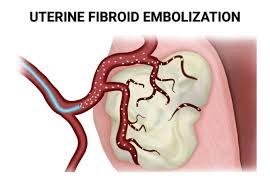
Uterine fibroids are noncancerous growths that develop in or around the uterus. Although many women with fibroids experience no symptoms, others may face heavy menstrual bleeding, pelvic pressure, abdominal discomfort, or frequent urination. These symptoms can affect daily activities, physical comfort, and overall quality of life. Fortunately, several treatment options are available to help manage fibroids, depending on their size, location, and severity.
Uterine artery embolization is a minimally invasive procedure designed to reduce the blood supply to uterine fibroids, causing them to shrink over time. It offers an alternative to traditional surgery for many women who want to manage fibroid symptoms while preserving their uterus. Understanding how this treatment works, its benefits, and the recovery process can help women make informed decisions about their healthcare.
What Is Uterine Artery Embolization?
Uterine artery embolization (UAE), also called uterine fibroid embolization (UFE), is a procedure performed by an interventional radiologist. It treats fibroids by blocking the small blood vessels that supply them with oxygen and nutrients.
Fibroids depend on a blood supply to grow. During embolization, the specialist introduces tiny particles into the uterine arteries to reduce blood flow to the fibroids. As the blood supply decreases, the fibroids gradually shrink, and associated symptoms may improve.
Unlike a hysterectomy, which removes the uterus, embolization preserves the uterus. It also avoids the larger surgical incisions associated with some traditional procedures. However, the treatment is not suitable for everyone, and a specialist should evaluate each patient's medical history and treatment goals before recommending it.
Common Symptoms of Uterine Fibroids
Fibroid symptoms vary depending on the number, size, and location of the growths. Some women may have small fibroids without noticeable symptoms, while others experience discomfort that interferes with everyday life.
Common symptoms include:
-
Heavy or prolonged menstrual bleeding
-
Pelvic pain, pressure, or a feeling of fullness
-
Abdominal swelling or bloating
-
Frequent urination due to pressure on the bladder
-
Constipation when fibroids press against the bowel
-
Pain or discomfort during sexual activity
-
Tiredness associated with heavy bleeding and iron-deficiency anaemia
Women experiencing persistent or worsening symptoms should consult a qualified healthcare professional. A pelvic examination, ultrasound, or MRI may help identify fibroids and determine whether treatment is necessary.
How Does the Procedure Work?
The uterine artery embolization procedure generally begins with a consultation to review symptoms, imaging results, medical history, and available treatment options. The specialist explains the expected benefits, possible risks, and preparation requirements.
During the procedure, the patient receives local anaesthesia at the catheter entry site and may also receive medication for relaxation and pain control. A thin tube called a catheter is inserted into an artery, usually through the wrist or groin.
Using X-ray imaging and contrast material, the interventional radiologist guides the catheter toward the uterine arteries. Tiny embolic particles are then released into the blood vessels supplying the fibroids. These particles reduce the blood flow that allows the fibroids to grow.
The procedure usually takes around one to two hours, although the duration varies. Patients are monitored afterward, and some may return home the same day, while others may require an overnight stay depending on their condition and the treatment centre's protocol.
Benefits of Uterine Artery Embolization
For appropriately selected patients, embolization offers several potential advantages over more invasive surgical treatments.
Minimally Invasive Treatment
The procedure uses a small catheter entry point rather than a large abdominal incision. This can reduce surgical wound concerns and may allow patients to resume normal activities sooner than after major surgery.
Relief From Fibroid Symptoms
As fibroids shrink, many women experience reduced menstrual bleeding, pelvic pressure, and discomfort. The degree of improvement varies, and some symptoms may take several weeks or months to improve.
Uterus Preservation
Unlike hysterectomy, embolization does not remove the uterus. This may be important for women who want to retain their uterus, although preserving the uterus does not guarantee that future pregnancy will be possible or uncomplicated.
Shorter Recovery Compared With Major Surgery
Many patients return to light activities within about one to two weeks, depending on their recovery and medical advice. Recovery can still involve significant cramping, fatigue, or discomfort during the initial days.
Treatment for Multiple Fibroids
Embolization can treat multiple fibroids during a single procedure because it targets their blood supply rather than removing each growth individually.
Who May Be a Suitable Candidate?
This treatment may be considered for women with symptomatic fibroids who want an alternative to surgery or prefer to avoid removing their uterus. It may be particularly useful when fibroids cause heavy bleeding, pelvic pressure, or other persistent symptoms.
However, treatment suitability depends on several factors, including fibroid size and location, other medical conditions, and reproductive plans. Women who wish to become pregnant should discuss their options carefully with a gynaecologist and interventional radiologist. The effects of embolization on future pregnancy remain an important consideration, and other treatments may be preferred in some circumstances.
A specialist may recommend imaging and additional tests to confirm the diagnosis and rule out other causes of symptoms before proceeding.
Recovery and Aftercare
Recovery varies from person to person. Cramping and pelvic pain are common during the first few days after treatment. Nausea, tiredness, and a mild fever may also occur temporarily as the body responds to the treatment.
Healthcare professionals may prescribe pain relief and other medications to manage these symptoms. Patients should follow instructions about activity, hydration, medication, and care of the catheter entry site.
Most women gradually return to their regular routines over the following days or weeks. Follow-up appointments help the treatment team monitor symptom improvement and assess changes in fibroid size when appropriate.
Patients should seek prompt medical attention for severe or worsening pain, persistent high fever, heavy bleeding, unusual discharge, or other concerning symptoms.
Conclusion
Uterine artery embolization is an effective, minimally invasive treatment option for many women experiencing symptoms caused by uterine fibroids. By reducing the blood supply to fibroids, the procedure can help shrink these growths, relieve symptoms, and preserve the uterus without major surgery. A personalised consultation with qualified specialists can help women compare treatment options and choose an approach that aligns with their symptoms, medical needs, and future reproductive plans.

 English
 Arabic
 French
 Spanish
 Portuguese
 Deutsch
 Turkish
 Dutch
Dutch
 Italiano
 Russian
 Romaian
 Greek
Greek