


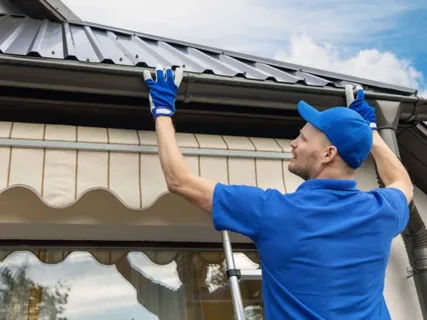
A roof is more than just a protective cover for your home; it is a critical structural component that ensures safety, energy efficiency, and curb appeal. When a roof reaches the end of its lifespan or sustains significant damage, homeowners are faced with a major decision that impacts both their finances and the comfort of their living environment. Understanding the intricacies of Roof Replacement is essential for anyone looking to maintain property value and protect their investment. The market demand for professional roofing services continues to rise as homeowners prioritize durable, weather-resistant solutions that can withstand increasingly unpredictable climate conditions.
Why do homeowners need to understand this process? Because a new roof is one of the most expensive upgrades a property owner will undertake. Without proper knowledge, you risk overpaying, selecting inappropriate materials, or hiring unqualified contractors. This guide is designed to demystify the entire procedure, providing practical insights into budgeting, material selection, and working with professionals. By familiarizing yourself with the key stages of a Roof Replacement project, you can approach the task with confidence and ensure that the final result enhances your home's longevity and aesthetic appeal.
Understanding Roof Replacement and Its Importance
To fully appreciate the value of a new roof, it is important to understand what the process actually entails. Roof Replacement is not merely a cosmetic upgrade; it involves the complete removal of the existing roofing material down to the decking, followed by the installation of a new underlayment, flashing, and the primary roofing surface. This differs significantly from a repair, which addresses localized issues. A full replacement is necessary when the roof has reached the end of its useful life, when damage is widespread, or when the existing structure can no longer support the home effectively. Ignoring the signs that indicate a replacement is due such as curling shingles, granules in gutters, or leaks in multiple areas can lead to severe structural damage, mold growth, and escalating repair costs that far exceed the price of a new installation.
Importance of Professional Roof Replacement
While the DIY trend is popular for many home improvement projects, roofing is one area where professional expertise is non-negotiable. The importance of hiring certified professionals for Roof Replacement cannot be overstated. Roofing work is inherently dangerous, involving high elevations, steep slopes, and the risk of falls. Beyond safety, professional contractors possess the technical knowledge to assess the structural integrity of your home, identify underlying issues such as rotten decking or inadequate ventilation, and ensure that the new roof is installed in compliance with local building codes. A poorly installed roof can void manufacturer warranties, leading to out-of-pocket expenses for future repairs. Professionals bring specialized equipment, comprehensive insurance, and a crew trained to complete the job efficiently, minimizing the risk of leaks and ensuring the roof performs as intended for decades.
Materials and Features Related to Roof Replacement
The success and longevity of your new roof depend heavily on the materials you choose. Asphalt shingles remain the most popular option due to their affordability, ease of installation, and wide range of colors, typically lasting between 15 and 30 years. However, many homeowners are exploring alternative materials that offer greater durability and aesthetic variety. Metal roofing, for instance, is gaining traction for its exceptional lifespan, energy efficiency, and resistance to fire and rot. Standing seam metal roofs can last 50 years or more and reflect solar heat, reducing cooling costs. Clay and concrete tiles offer a distinct, upscale look and are incredibly durable, though they require a structure capable of supporting their significant weight. Synthetic slate and wood shakes provide the beauty of natural materials with improved fire resistance and lower maintenance. When planning a Roof Replacement, you must also consider the underlayment and ventilation systems. A high-quality synthetic underlayment acts as a secondary barrier against moisture, while proper attic ventilation prevents heat and moisture buildup that can degrade the roof structure from within.
Choosing the Right Roof Replacement Contractor
Selecting the right contractor is perhaps the most critical step in ensuring a successful project. The market is filled with options, so you must conduct thorough research to find a reputable company. Start by seeking recommendations from friends, family, and neighbors who have recently had their roofs replaced. Verify that the contractor is licensed, bonded, and insured, and ask for proof. A legitimate professional will carry liability insurance to cover property damage and workers' compensation to protect the crew. Request multiple references and, if possible, visit completed job sites to inspect the quality of their workmanship. Get detailed written estimates from at least three contractors, ensuring that the quotes include everything from tear-off and disposal fees to the cost of materials and labor. Be wary of contractors who demand a large upfront payment or offer to waive your insurance deductible these are red flags for potential scams. A trustworthy contractor will provide a clear timeline, a comprehensive contract, and a warranty that covers both materials and labor.
Quality, Safety, and Industry Standards
Adhering to industry standards is paramount during a Roof Replacement. Reputable contractors follow guidelines set by organizations such as the National Roofing Contractors Association (NRCA) and local building codes. These standards cover everything from the proper nailing patterns for shingles to the installation of ice and water shields in areas prone to freezing. Safety protocols are equally important, ensuring that the installation crew uses fall protection, maintains a clean worksite, and safely disposes of old materials. Quality control is another pillar of a professional installation. This includes using high-grade fasteners, ensuring proper flashing around chimneys and vents to prevent leaks, and conducting a final inspection to verify that the roof meets all specifications. When a contractor prioritizes quality and safety, they not only protect their workers but also guarantee the homeowner a roof that is structurally sound and compliant with all regulations, which is essential for insurance purposes and future home sales.
Benefits of Hiring or Using Professional Services
The benefits of hiring a professional for your Roof Replacement extend far beyond the installation itself. One of the most significant advantages is access to warranties. Most manufacturers offer extensive warranties on their materials, but these warranties are contingent upon professional installation. A certified contractor can offer a workmanship warranty as well, giving you peace of mind for years to come. Professionals also handle the logistics of permits and inspections, navigating the bureaucratic requirements that can be confusing for homeowners. They bring efficiency to the project, often completing the work in a matter of days, whereas a DIY approach could stretch over weeks or months. Furthermore, professional roofers are experts in identifying and correcting underlying issues, such as poor attic ventilation or inadequate insulation, which can improve your home's energy efficiency and reduce utility bills. Ultimately, investing in professional services saves you time, reduces stress, and ensures the job is done correctly the first time.
Future Trends and Industry Development
The roofing industry is continuously evolving, driven by technological advancements and a growing emphasis on sustainability. One of the most prominent trends is the rise of "cool roofing" materials, which are designed to reflect more sunlight and absorb less heat than standard roofs. This technology helps mitigate the urban heat island effect and reduces energy consumption for cooling. Another emerging trend is the integration of solar technologies. Solar shingles, which look like traditional roofing materials but generate electricity, are becoming more efficient and affordable, allowing homeowners to turn their roofs into power plants. Additionally, there is a growing focus on eco-friendly materials, such as recycled shingles and sustainable wood products. In terms of process, drone technology is increasingly being used for roof inspections, providing accurate assessments without the need for risky climbs. As the industry moves forward, homeowners can expect more durable, energy-efficient, and environmentally friendly options for their Roof Replacement needs.
Conclusion
Investing in a new roof is a significant decision that requires careful consideration of materials, costs, and contractors. By understanding the full scope of a Roof Replacement, you empower yourself to make choices that protect your home and enhance its value. From selecting the right shingles to ensuring proper installation and ventilation, every detail contributes to the longevity and performance of your roofing system. Whether you are motivated by necessary repairs or a desire to upgrade your home's efficiency, approaching the project with knowledge and diligence is key. A professionally installed roof provides security, improves aesthetics, and offers lasting peace of mind. For homeowners seeking to safeguard their most valuable asset, prioritizing a quality Roof Replacement is a wise and rewarding investment.

 English
 Arabic
 French
 Spanish
 Portuguese
 Deutsch
 Turkish
 Dutch
Dutch
 Italiano
 Romaian
 Portuguese (Brazil)
 Greek
Greek