


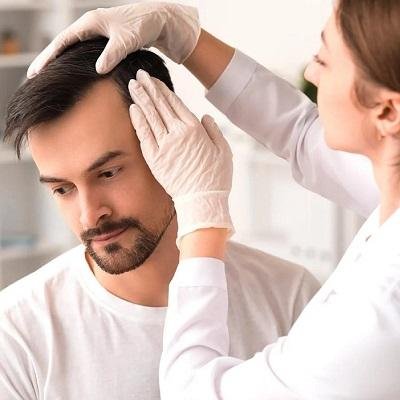
Noticeable hair thinning can affect hair density, hairline definition, and overall appearance. It may develop gradually due to hereditary factors, hormonal changes, ageing, nutritional deficiencies, or certain medical conditions. For individuals seeking a long-term approach to hair restoration, hair transplant in dubai can be an option worth exploring after a professional assessment.
A hair transplant involves moving hair follicles from a suitable donor area to regions experiencing thinning or hair loss. The objective is to improve coverage while considering the individual's natural hairline, facial proportions, donor hair availability, and long-term hair restoration goals. At Beaute Concept clinic dubai, understanding the causes and pattern of hair thinning is an important starting point for exploring appropriate treatment options.
Understanding the Causes of Noticeable Hair Thinning
Hair thinning can occur for several reasons, and identifying the underlying cause is essential before considering a transplant. Hereditary hair loss is a common contributor and may gradually affect the hairline, temples, or crown. Other causes include temporary shedding following illness or stress, nutritional deficiencies, hormonal changes, and certain scalp conditions.
A medical assessment helps determine whether the hair loss pattern is stable, progressive, or potentially reversible. In some cases, treating an underlying condition or addressing a nutritional deficiency may be more appropriate than proceeding directly to a surgical procedure.
A hair transplant does not prevent existing non-transplanted hair from thinning in the future. Therefore, an individualized plan should consider both current hair loss and the possibility of future changes.
How Hair Transplant Procedures Address Hair Thinning
Hair transplantation redistributes existing hair follicles rather than creating new ones. Follicles are generally taken from a donor area with sufficient hair density and transferred to areas that require improved coverage.
Two commonly used techniques are Follicular Unit Extraction (FUE) and Follicular Unit Transplantation (FUT). FUE involves extracting individual follicular units, while FUT involves removing a strip of scalp from which follicular units are prepared. The appropriate technique depends on donor characteristics, scalp condition, treatment goals, and professional recommendations.
The number of grafts required varies according to the extent of thinning, the desired density, the available donor supply, and the size of the treatment area. A carefully planned procedure aims to distribute grafts effectively without unnecessarily depleting the donor region.
Choosing the Best Hair Transplant in Dubai
Selecting the best hair transplant in dubai involves evaluating the quality of the consultation, the practitioner's qualifications, the proposed technique, and the suitability of the treatment plan.
Patients should understand how their hairline will be designed, how grafts will be distributed, and what level of coverage may realistically be achieved. A professional consultation should also explain the limitations of transplantation and whether medical treatment or observation may be appropriate alternatives.
It is important to avoid choosing a procedure based solely on the number of grafts offered or promises of guaranteed density. Donor hair is limited, and responsible planning must preserve enough follicles for potential future needs.
The Importance of Natural Hairline Design
A natural-looking hairline is an important consideration in hair restoration. Its position, shape, and density should complement the individual's facial proportions, age, and existing hair characteristics.
An excessively low or sharply defined hairline may look unnatural, particularly if surrounding hair continues to thin. A thoughtful design considers the transition between the hairline and the denser hair behind it.
Graft placement also influences the final appearance. The direction, angle, and distribution of transplanted follicles should reflect natural hair growth patterns. Appropriate planning can help create a balanced result while making efficient use of the available donor supply.
Identifying the Best Hair Transplant Clinic in Dubai
Choosing the best hair transplant clinic in dubai requires careful consideration of clinical standards, practitioner experience, consultation quality, and follow-up arrangements.
Patients should ask who will perform the procedure, how the donor area will be assessed, what technique is recommended, and how potential complications will be managed. They should also receive clear information about recovery, expected timelines, and the possibility that additional treatment may be needed.
At Beaute Concept clinic dubai, individuals can explore hair restoration considerations based on their concerns and suitability for treatment. A thorough consultation should help establish realistic expectations and clarify the options available for addressing noticeable hair thinning.
Recovery and Hair Growth After Transplantation
Recovery varies according to the technique used, the size of the treatment area, and individual healing characteristics. Temporary redness, swelling, tenderness, and small scabs may develop during the early recovery period.
Transplanted hairs commonly shed within the first several weeks. This is generally an expected part of the process and does not necessarily mean that the transplanted follicles have been lost. New growth usually develops gradually over subsequent months, with visible improvement often taking six to twelve months or longer.
Following aftercare instructions is important for protecting the treated area during healing. Patients should attend recommended follow-up appointments and seek professional advice if they experience unusual pain, increasing redness, discharge, fever, or other concerning symptoms.
Maintaining Hair Health After a Transplant
A hair transplant improves coverage in selected areas, but it does not stop the underlying processes responsible for ongoing hair loss. Existing hair may continue to thin, making long-term planning an important part of treatment.
Depending on the diagnosis, a healthcare professional may discuss suitable hair-loss medications, scalp care, nutritional assessment, or other supportive measures. These options should be selected according to individual needs and medical suitability.
Healthy lifestyle habits can support general well-being, but they cannot guarantee hair regrowth or replace appropriate treatment for an underlying condition. Regular monitoring can help identify changes and guide future decisions.
Frequently Asked Questions
Who may be suitable for a hair transplant?
Suitability depends on the cause of hair loss, donor hair availability, scalp health, the stability of the hair-loss pattern, and individual expectations. A professional assessment is necessary to determine whether transplantation is appropriate.
Does a hair transplant provide permanent results?
Transplanted follicles can provide long-lasting growth, but results vary. Non-transplanted hair may continue to thin, and some individuals may require additional treatment or ongoing management.
How long does it take to see results?
Visible growth develops gradually. Initial shedding is common, while meaningful improvement often becomes apparent over six to twelve months. Final results may take longer, depending on individual healing and hair growth.
Can a hair transplant treat every type of hair loss?
No. Some types of hair loss may be temporary, medically treatable, or unsuitable for transplantation. Identifying the underlying cause is essential before choosing a treatment.
Conclusion
Noticeable hair thinning can affect hairline definition, coverage, and confidence, but the appropriate treatment depends on its underlying cause and progression. Hair transplantation may help selected individuals improve density by redistributing existing follicles, provided the donor supply and treatment goals are suitable.
Beaute Concept clinic dubai can be included in the consultation process for individuals exploring hair restoration options. Careful assessment, realistic expectations, natural hairline planning, and appropriate follow-up are essential considerations when deciding whether a hair transplant is the right approach.

 English
 French
 Spanish
 Portuguese
 Deutsch
 Turkish
 Dutch
Dutch
 Italiano
 Russian
 Romaian
 Portuguese (Brazil)
 Greek
Greek