


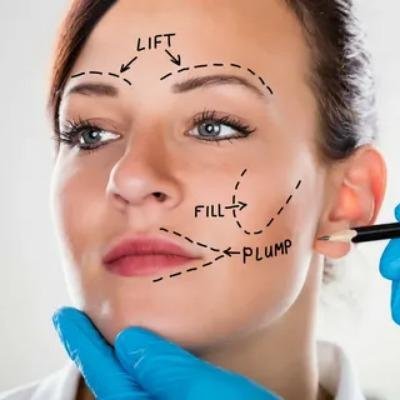
A person's facial features can change gradually as the skin loses elasticity and the tissues beneath it begin to shift. Cheeks may appear less lifted, the jawline can become softer, and folds around the mouth may become more noticeable. Although these changes are a natural part of aging, some individuals want to restore definition while maintaining their natural appearance.
Facelift Treatment in Islamabad is a surgical option for addressing selected signs of facial aging, particularly sagging skin and changes in the lower facial contours. Understanding the procedure and its potential benefits can help you decide whether it matches your personal goals.
Why Do Facial Features Lose Definition?
Facial definition depends on skin quality, underlying tissues, fat distribution, and bone structure. As people age, collagen and elastin gradually decline, making the skin less firm and flexible. Supporting tissues can also descend, changing the appearance of the cheeks and jawline.
These changes may lead to jowls, loose skin around the lower face, and deeper folds between the nose and mouth. Genetics, sun exposure, smoking, and substantial weight changes can influence how these signs develop.
Not all facial concerns are caused by sagging. Some people experience volume loss, fine lines, or changes in skin pigmentation. Identifying the main cause is important because a facelift cannot correct every concern.
A professional assessment can help determine whether loose skin and descended tissues are the primary reasons for reduced facial definition.
How Does Facelift Treatment Work?
A facelift is a surgical procedure designed to improve selected age-related changes in the face. Depending on the individual's anatomy, the surgeon may reposition underlying tissues and remove carefully planned amounts of excess skin.
The procedure may improve the appearance of jowls, create a more defined jawline, and soften certain folds around the lower face. The objective is to achieve balanced contours without making the skin look unnaturally tight.
Facelift Treatment in Islamabad may be appropriate for people with noticeable facial sagging who want a more defined appearance. However, the exact results depend on skin quality, facial structure, surgical technique, and individual healing.
A facelift also does not stop the natural aging process. Patients should understand that improvements can last for years, but the face will continue to change over time.
Which Features Can a Facelift Improve?
A facelift primarily targets sagging in the cheeks and lower face. The areas that may improve depend on the technique selected and the patient's individual concerns.
-
Cheek contours: Repositioning tissues may improve the appearance of sagging in the lower cheeks.
-
Jawline definition: Addressing jowls and excess skin may create a smoother lower facial contour.
-
Facial folds: Certain folds may become less prominent when surrounding tissues are repositioned.
-
Loose skin: Removing excess skin can improve smoothness in the treated area.
A facelift does not directly correct every forehead wrinkle, eyelid concern, or area of volume loss. These issues may need separate assessment and a different treatment plan.
Who Should Consider a Facelift?
People with noticeable sagging cheeks, jowls, or loose skin around the jawline may wish to discuss facelift surgery with a qualified surgeon.
Suitability depends on general health, facial anatomy, skin condition, and realistic expectations rather than age alone. A surgeon should review medical history, current medications, allergies, and any previous cosmetic procedures before recommending treatment.
Smoking and certain medical conditions can increase the risk of complications or affect healing. These factors should be discussed honestly during the consultation.
For individuals with mild skin laxity, nonsurgical options may be worth exploring. However, such treatments generally offer different and often more limited improvements than surgery.
Before deciding on Facelift Treatment in Islamabad, make sure you understand what is causing your concerns and whether a facelift is the most suitable option.
What Happens During the Consultation?
A consultation helps establish whether surgery is appropriate and what kind of result may realistically be achieved. The surgeon examines facial proportions, skin elasticity, tissue position, and the areas the patient wishes to improve.
You should have the opportunity to explain your goals and ask questions about the procedure. Important topics include the surgical method, incision placement, anesthesia, possible scarring, recovery time, and potential complications.
Ask about the surgeon's professional qualifications and experience performing facelift surgery. It is also sensible to understand the standards of the surgical facility and the arrangements for postoperative care.
A responsible consultation should explain the benefits and limitations of surgery clearly, without promising a perfect or permanent result.
How Should You Prepare for Surgery?
Preparation depends on the patient's health and the surgical plan. Your surgeon may recommend medical assessments and provide instructions concerning medications, supplements, smoking, and other factors that could affect recovery.
Provide a complete medical history and disclose everything you take, including nonprescription medicines and supplements. Do not stop prescribed medication without professional advice.
You should also plan for transportation home and assistance during the initial recovery period. Arranging time away from strenuous activities can make healing easier to manage.
Following the surgical team's instructions carefully is important, although preparation cannot eliminate every possible risk.
What Is Recovery Like After a Facelift?
Swelling, bruising, tightness, and temporary discomfort are common after facelift surgery. These effects usually improve gradually, but the recovery period differs between individuals.
Your surgeon will provide instructions on wound care, medications, sleeping position, and activity restrictions. Strenuous exercise should be avoided until the surgical team confirms that it is safe to resume.
Early swelling can temporarily affect facial contours, so the final result takes time to settle. Follow-up appointments allow the surgeon to monitor healing and address concerns.
Seek prompt medical advice if you experience worsening pain, fever, spreading redness, or unusual wound discharge. Sudden severe swelling or difficulty breathing requires emergency medical attention.
How Can You Maintain Your Facial Results?
A facelift improves selected signs of aging but does not stop the aging process. Genetics, sun exposure, smoking, and weight fluctuations can influence the face over time.
After your surgeon confirms that healing is complete, regular sun protection and a suitable skincare routine can help maintain skin quality. Avoiding smoking and maintaining a stable weight may also support your overall results.
Additional cosmetic procedures should only be considered when appropriate for your needs. A long-term approach should focus on healthy skin care and realistic expectations rather than trying to prevent every natural change.
Why Consider Enfield Royal Clinic in Islamabad?
When researching Facelift Treatment in Islamabad, you may include Enfield Royal Clinic in Islamabad among the providers you investigate. Before choosing a clinic, confirm whether the procedure is available and identify the surgeon who would perform it.
Ask about the surgeon's qualifications, experience with facelift procedures, surgical facilities, anesthesia arrangements, follow-up care, and approach to managing complications. Reviewing relevant before-and-after photographs may help you discuss your expectations, although results vary from person to person.
Choosing a provider should involve careful research and a clear understanding of the procedure's benefits, limitations, and risks.

 Arabic
 French
 Spanish
 Portuguese
 Deutsch
 Turkish
 Dutch
 Italiano
 Russian
 Romaian
 Portuguese (Brazil)
 Greek