


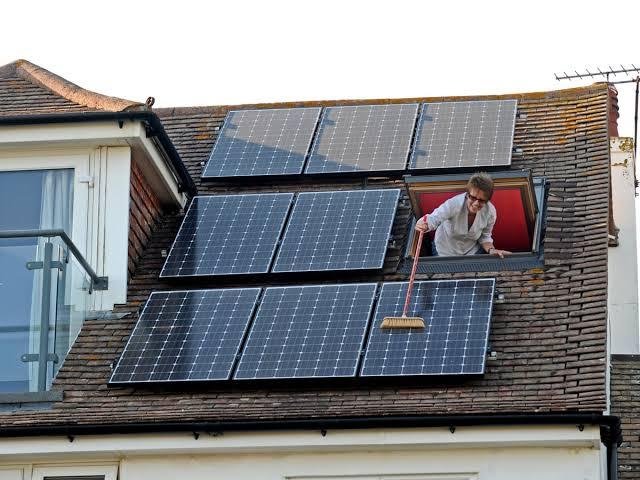
Getting solar panels installtion services for your home is a big decision. You want to lower your electricity bills, use less power from the grid, and get good value for your money. But before you agree to anything, there are a few things you should check.
Not every solar company offers the same service. Some quotes may look cheap at first, but extra charges can soon add up. You also need to know what happens if something goes wrong after the work is done.
Taking time to read the contract can save you money and trouble later. Here are the main things to check before you sign.
1. Check the Solar Company's Background
Before choosing an installer, take a few minutes to learn about the company. A good website and a low price do not always mean you will get good service.
Start by checking customer reviews. Look for comments about the quality of the work, missed appointments, and help after installation. If several customers mention the same problem, take it seriously.
You should also ask the company about its past work. Photos of completed projects can help you see the kind of work it does.
Before moving forward, check these points:
-
Read recent customer reviews.
-
Ask about the team's experience.
-
Check the company's relevant qualifications.
-
Make sure it has suitable insurance.
-
Ask for contact details you can use if you need help.
If you live in the UK, check whether the installer has MCS certification where it applies to your project. This can help you find a suitable installer and understand the standards involved.
Do not rush your choice just because a salesperson sounds convincing. Take time to check the facts first.
2. Make Sure Everything Is Included in the Contract
A price may sound fair until you find out what it leaves out. That is why you should read the full contract before signing.
Ask the installer to list everything included in the job. This should cover the solar panels, inverter, mounting equipment, wiring, and labour.
You should also check whether the price covers:
-
Scaffolding and roof access.
-
Electrical work and testing.
-
Battery storage, if you want one.
-
Any extra equipment needed for your home.
-
System setup and handover.
-
Roof repairs or electrical upgrades, if needed.
For example, a company might give you a low quote but charge extra for scaffolding. Another company might include it in the price. The second quote could offer better value, even if it looks more expensive at first.
Ask the installer to explain anything that is not clear. Make sure any promises about the work are written into the contract. A verbal promise is harder to rely on if a problem comes up later.
3. Understand the Full Price Before You Agree
Price is often one of the first things homeowners look at. But the cheapest quote is not always the best choice.
When checking the solar panel installation cost, ask for a full price breakdown. You should know what you are paying for and whether any extra charges could come up later.
Check if the quote includes:
-
Solar panels and the inverter.
-
Installation and labour.
-
Scaffolding and electrical work.
-
VAT, where applicable.
-
Battery storage, if included.
-
Any extra work needed at your property.
It is worth getting two or three quotes from different installers. Try to compare similar systems with similar equipment. This will give you a better idea of what you are paying for.
Be careful if a company says you must sign today to get a special price. A good installer should give you time to read the contract and ask questions.
If a quote seems much cheaper than the others, ask why. There may be a simple reason, but it is better to check before you agree.
4. Read the Payment Terms
Before signing, make sure you understand when and how you need to pay.
Some companies ask for a deposit before work begins. Others may split payments across different stages. Whatever the arrangement, the contract should explain it clearly.
Ask these questions:
-
How much do I need to pay upfront?
-
When is the next payment due?
-
When must the final balance be paid?
-
What happens if the work is delayed?
-
Can I get a refund if the contract is cancelled?
Think carefully before paying the full amount upfront. Make sure you understand the payment terms and know what protection you have if the company fails to complete the job.
If you plan to pay through finance, read that agreement as well. Check the interest rate, monthly payments, loan term, and total amount you will repay.
A small monthly payment may look easy to manage, but the total cost could be much higher over several years.
5. Check the Warranties
Solar panels can work for many years, but parts may still need repair or replacement. That is why you should check the warranties before signing.
Ask for written details about each part of the system.
Solar panel warranty: Check how long the panels are covered against product faults. Also, look at the performance guarantee, which covers how well the panels should perform over time.
Inverter warranty: The inverter helps turn the electricity from your panels into power your home can use. Ask how long it is covered and what happens if it stops working.
Battery warranty: If you are buying a battery, check its warranty period, capacity terms, and any limits on use.
Installation warranty: This covers certain problems caused by the installation work. Ask what is covered and how long the protection lasts.
You should also ask who will help if the installer closes down. Keep copies of your warranties, receipts, and installation documents in a safe place.
6. Make Sure Your Roof Is Ready
Your roof needs to be in good shape before the panels go up. If it needs major repairs, it may be better to deal with them first.
Ask the installer to check the roof before giving you a final recommendation.
The inspection should look at:
-
The age and condition of the roof.
-
The direction and angle of the roof.
-
Shade from trees or nearby buildings.
-
The space available for panels.
-
Whether the roof can support the system.
Shade can affect how much electricity your panels produce. Roof space and direction also matter.
Ask the installer how much electricity the system is likely to produce throughout the year. The estimate should be based on your property, not just a general example.
Be careful if someone promises huge savings without asking about your energy use. Your actual savings will depend on how much electricity you use, when you use it, and how much your system produces.
7. Ask About Installation Dates and After-Sales Help
Before you sign, ask when the work will start and how long it should take.
The contract should explain what happens if bad weather, equipment delays, or other problems affect the schedule.
It is also worth asking what support you will get after the panels are installed.
Find out:
-
Who should you contact if the system stops working?
-
How quickly does the company respond to problems?
-
Are repairs or call-out visits included?
-
Will someone show you how to use the monitoring system?
-
Are there any extra maintenance fees?
Once the work is finished, you should know how to check your system and who to contact if something goes wrong.
Good support matters. You do not want to spend days trying to reach someone when your system needs attention.
8. Read the Cancellation Rules
It is easy to focus on the panels and price and forget about the small print. But the cancellation terms are just as important.
Read the contract carefully before you sign. Check whether you may face a fee if you change your mind or need to delay the work.
For UK consumers, some contracts made online, over the phone, or away from business premises have a 14-day cooling-off period. However, this does not apply to every situation, so check your rights before relying on it.
Make sure you understand:
-
How to cancel the contract.
-
Whether cancellation fees apply.
-
What happens to your deposit.
-
What happens if the installer changes the agreed price.
-
How to raise a complaint if something goes wrong.
Never sign a contract with blank spaces or unclear terms. If something does not make sense, ask the company to explain it in writing.
It is better to ask a few extra questions now than deal with a costly problem later.
Final Checklist Before Signing
Before making your final decision, run through this simple checklist:
-
I have checked the company's reviews and qualifications.
-
I know which panels and equipment I will receive.
-
The full price and any extra charges are clear.
-
I understand the deposit and payment terms.
-
I have checked all product and installation warranties.
-
My roof has been checked for solar panels.
-
The expected energy output and savings seem realistic.
-
I know when the work will start.
-
I know who to contact if something goes wrong.
-
I understand the cancellation rules.
Taking these steps can help you choose the right installer for your home. You do not need to understand every technical detail, but you should know what you are paying for and what you can expect.
Read the contract, ask questions, and never feel pressured to sign before you are ready. A little care now can help you avoid extra costs and unwanted surprises later.
Frequently Asked Questions
1. What should I check before signing a solar panel contract?
Check the company, full price, equipment, warranties, payment terms, and installation dates. Make sure you understand what is included and what you may need to pay extra for.
2. How many quotes should I get before choosing an installer?
Getting two or three quotes is a good starting point. Compare the equipment, installation work, warranties, and total price before making your choice.
3. What extra costs should I look for in a solar contract?
Extra costs may include scaffolding, roof repairs, electrical upgrades, battery storage, and additional equipment. Ask the installer to list anything that is not included in the original quote.
4. Can I cancel a solar panel contract after signing?
That depends on how you signed the contract and the rules that apply to your purchase. Some UK consumers have a 14-day cooling-off period, but exceptions can apply. Check the contract and your legal rights before cancelling.
5. Is it worth adding a battery to my solar panels?
A battery lets you store extra solar electricity for later use, such as in the evening. However, it increases the upfront price. Compare the battery's cost, warranty, and expected savings to see if it suits your home.

 English
 French
 Spanish
 Portuguese
 Deutsch
 Turkish
 Dutch
 Italiano
 Russian
 Romaian
 Portuguese (Brazil)
 Greek