


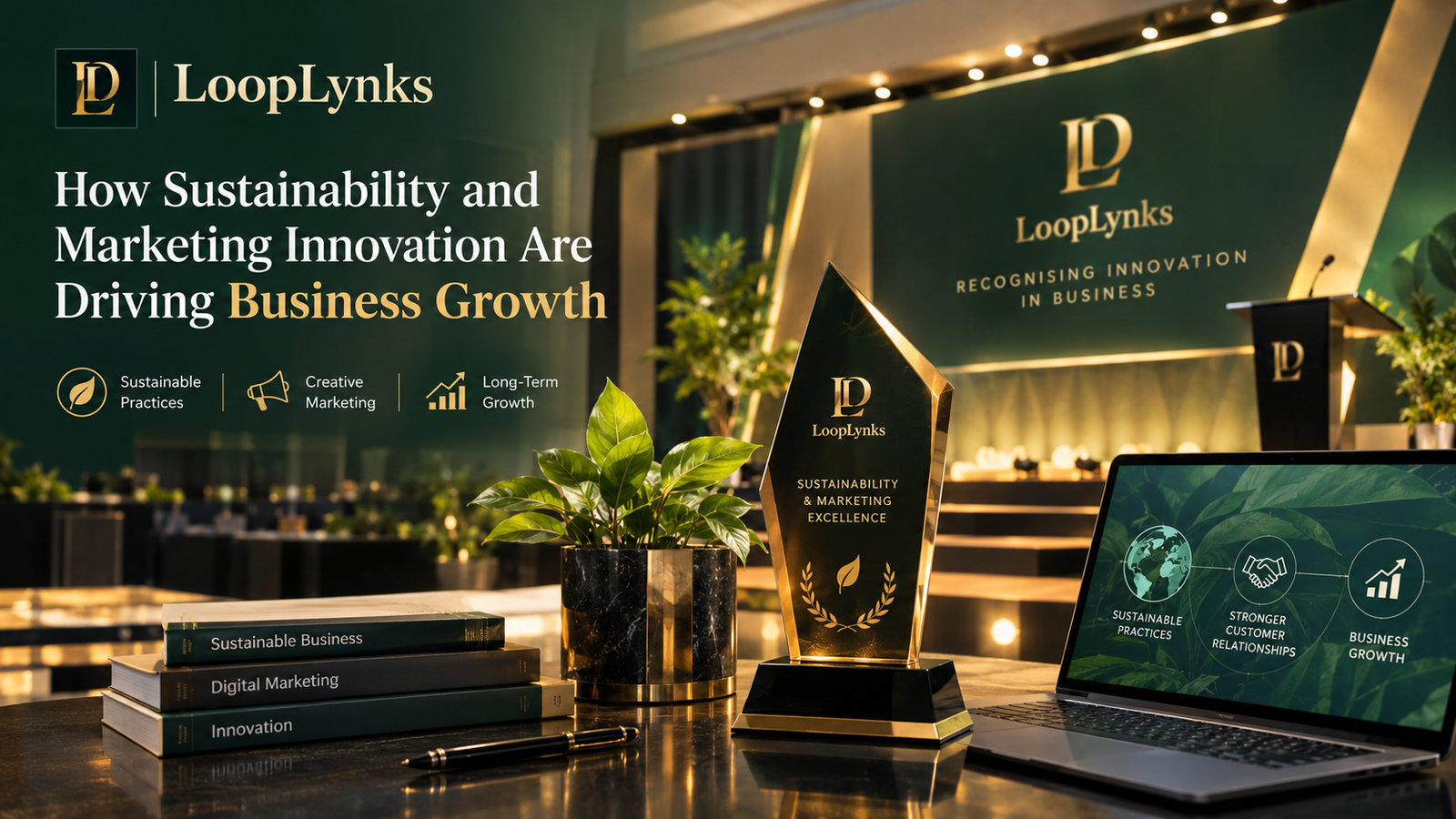
Businesses today are expected to do more than deliver products and generate revenue. Customers increasingly pay attention to how companies operate, what they stand for, and the impact they have on society and the environment. At the same time, changing customer expectations and growing competition are pushing brands to rethink their marketing strategies. Businesses that combine responsible practices with creative communication can build stronger relationships and create lasting value.
Why Sustainability Matters in Modern Business
Sustainability has become an important consideration for organisations across industries. Companies are reviewing their use of resources, reducing unnecessary waste, improving supply chains, and exploring more responsible ways to deliver products and services.
These changes are not always easy. Businesses may need to invest in new processes, train employees, or reconsider established practices. However, a thoughtful approach can help organisations manage resources more efficiently and prepare for changing expectations from customers, employees, and business partners.
Sustainability also requires transparency. Businesses should communicate their progress honestly rather than making broad environmental claims without evidence. Sharing measurable improvements, acknowledging challenges, and setting realistic goals can help build trust with stakeholders.
Recognition through a sustainability innovation award can highlight organisations that develop practical solutions to environmental or social challenges. Such recognition may draw attention to new ideas, responsible business practices, and initiatives that demonstrate meaningful progress. For companies pursuing sustainability, the real priority should remain the positive impact of their work rather than recognition alone.
The Changing Role of Marketing
Marketing has changed significantly with the growth of digital platforms, online communities, and data-driven communication. Customers now have more ways to research brands, compare alternatives, and share their experiences. As a result, businesses need to understand their audiences instead of relying only on traditional promotional methods.
Effective marketing starts with knowing what customers value. Some audiences prioritise product quality, while others pay closer attention to affordability, convenience, ethical practices, or environmental responsibility. Understanding these differences helps businesses create messages that are relevant and useful.
Digital channels also allow companies to test campaigns, measure engagement, and improve their approach over time. However, successful marketing is not simply about collecting data or publishing content across every available platform. It requires a clear message, consistent communication, and a genuine understanding of customer needs.
Building Trust Through Responsible Marketing
As sustainability becomes more important, companies have an opportunity to explain the practical steps they are taking to improve their operations. Marketing can help communicate these efforts, but claims must be supported by evidence.
For example, a company that reduces packaging waste can explain the changes it has made and the results achieved. Providing specific information is more credible than using general statements about being environmentally friendly.
Responsible marketing also means avoiding exaggerated promises and presenting information clearly. Customers are more likely to trust brands that communicate honestly and remain consistent in their actions.
When sustainability and marketing teams work together, businesses can connect their operational progress with customer communication. This approach helps ensure that the message reflects the organisation's actual practices.
Recognising Excellence in Marketing
Creative campaigns can help businesses reach new audiences, strengthen brand identity, and communicate complex ideas more effectively. Behind successful campaigns are professionals who combine research, creativity, strategic planning, and an understanding of customer behaviour.
The global marketing excellence awards concept recognises the importance of effective marketing leadership and achievement across different industries. Depending on the programme, recognition may highlight campaign creativity, brand development, digital strategy, customer engagement, or measurable business results.
For marketing professionals, recognition can provide an opportunity to demonstrate their work and share experiences with peers. Businesses may also use award programmes to reflect on their strategies and identify areas for improvement.
A strong submission should explain the campaign's objectives, the audience it targeted, the approach used, and the results achieved. Evidence of performance makes it easier to understand the campaign's value and distinguish meaningful outcomes from promotional claims.
Bringing Sustainability and Marketing Together
Sustainability and marketing can support each other when businesses connect responsible action with honest communication. Environmental initiatives may help organisations improve efficiency, while clear marketing can explain those efforts to customers and stakeholders.
For example, a company introducing reusable packaging could communicate the reasons behind the change, explain how customers can participate, and report measurable results when available. This creates an opportunity to inform customers without overstating the environmental benefits.
LoopLynks supports professional engagement and recognition around leadership, innovation, and business achievement. By encouraging professionals and organisations to share their work and experiences, platforms like LoopLynks can contribute to wider conversations about responsible growth and effective business practices.
Looking Ahead
Long-term business success depends on more than a strong marketing campaign or a single sustainability initiative. It grows through consistent decisions, responsible leadership, customer understanding, and a willingness to improve.
Businesses that invest in practical innovation and communicate their progress honestly can build stronger relationships with their audiences. By combining sustainability with thoughtful marketing, organisations can pursue growth while remaining attentive to their wider responsibilities.
The most valuable achievements are those that produce real results, inspire others, and contribute to a more responsible and competitive business environment.

 Arabic
 French
 Spanish
 Portuguese
 Deutsch
 Turkish
 Dutch
 Italiano
 Russian
 Romaian
 Portuguese (Brazil)
 Greek