


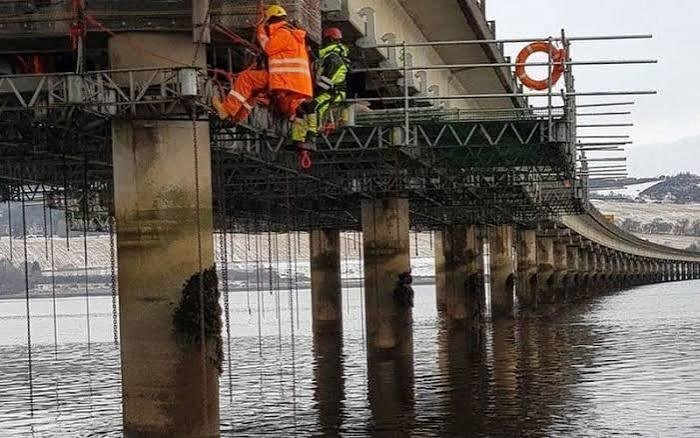
Bridges are among the most critical parts of transportation infrastructure, connecting cities, industries, villages, highways, and railway networks. Over time, constant traffic, changing weather conditions, corrosion, water exposure, heavy loads, and aging materials gradually reduce their structural performance. Timely bridge repair services help restore strength, improve safety, extend service life, and prevent costly replacements. Choosing experienced bridge repair contractors ensures that repair work is completed using proven engineering techniques while minimizing disruptions to public transportation and daily operations.
Why Bridge Repair Services Are Essential
Bridges are continuously exposed to environmental and mechanical stresses. Heavy traffic loads, moisture, temperature changes, chemical attacks, floods, and seismic activity gradually weaken concrete and steel components. Without timely repairs, minor defects can quickly become major structural problems that threaten public safety and increase maintenance costs. Professional bridge repair services focus on identifying deterioration early and restoring the bridge before damage becomes severe.
Routine inspections often reveal cracks, corrosion, concrete spalling, exposed reinforcement, expansion joint failures, and bearing damage. Repairing these issues promptly prevents further deterioration while maintaining the bridge's structural integrity. Proper maintenance also extends the bridge's service life, improves traffic safety, and reduces the financial burden of complete bridge replacement.
Common Signs That a Bridge Needs Repair
Bridge deterioration usually develops gradually before becoming visible. Engineers conduct regular inspections to identify early warning signs that indicate structural distress. Detecting these symptoms at the right time allows repairs to be planned before extensive rehabilitation becomes necessary.
Some common signs include:
-
Concrete cracking
-
Concrete spalling
-
Rust stains on bridge surfaces
-
Exposed reinforcing steel
-
Water leakage
-
Bearing deterioration
-
Joint failure
-
Deck settlement
-
Surface scaling
-
Uneven pavement
-
Structural deflection
-
Expansion joint damage
-
Corrosion of steel members
-
Reduced load-carrying capacity
Ignoring these issues may lead to accelerated deterioration and higher repair expenses in the future.
Major Causes of Bridge Damage
Understanding why bridges deteriorate helps engineers choose the right repair strategy. Every bridge experiences different environmental conditions, loading patterns, and maintenance histories that influence the type and severity of damage.
Some of the most common causes include:
-
Aging infrastructure
-
Heavy commercial vehicle traffic
-
Reinforcement corrosion
-
Chloride penetration
-
Carbonation of concrete
-
Poor drainage systems
-
Freeze-thaw cycles
-
Water seepage
-
Flood damage
-
Earthquake effects
-
Construction defects
-
Material deterioration
-
Lack of preventive maintenance
-
Impact damage from vehicles
Each factor contributes differently, making detailed structural assessment essential before selecting suitable repair techniques.
Bridge Inspection Before Repair Work
Every successful bridge rehabilitation project begins with a comprehensive structural inspection. Engineers perform visual inspections along with advanced non-destructive testing to understand the bridge's current condition. Accurate assessment prevents unnecessary repairs while ensuring that hidden defects are identified before rehabilitation begins.
Modern inspection techniques include ultrasonic pulse velocity testing, rebound hammer testing, corrosion potential mapping, half-cell potential testing, core sampling, crack monitoring, load testing, drone inspections, laser scanning, and structural health monitoring systems. These technologies help engineers evaluate damage accurately while minimizing disruption to bridge operations.
Concrete Bridge Repair Techniques
Concrete bridges require specialized repair methods depending on the type and extent of deterioration. Engineers first remove damaged concrete before restoring structural integrity using compatible repair materials. Proper surface preparation and material selection play a major role in ensuring long-term performance.
Common concrete bridge repair methods include:
-
Polymer-modified mortar repairs
-
Micro-concrete repairs
-
Epoxy crack injection
-
Concrete patch repairs
-
Pressure grouting
-
Surface sealing
-
Concrete resurfacing
-
Protective coatings
-
Structural strengthening
-
Reinforcement replacement
These methods restore damaged sections while improving durability against future environmental exposure.
Structural Strengthening of Bridges
Bridge strengthening becomes necessary when the existing structure must support higher traffic loads or comply with updated design standards. Rather than replacing the bridge entirely, strengthening increases its structural capacity while reducing project costs and minimizing traffic disruptions.
Popular strengthening techniques include externally bonded fiber reinforced polymer systems, steel plate bonding, steel jacketing, reinforced concrete jacketing, external post-tensioning, section enlargement, composite strengthening, and beam strengthening. These techniques significantly improve flexural strength, shear resistance, fatigue performance, and overall structural reliability.
Corrosion Protection for Long-Term Performance
Corrosion remains one of the leading causes of bridge deterioration, especially in coastal regions, industrial environments, and areas where de-icing salts are used. Protecting reinforcement steel from corrosion significantly extends bridge life while reducing maintenance frequency.
Corrosion protection measures include protective coatings, corrosion inhibitors, cathodic protection systems, waterproof membranes, concrete sealers, epoxy-coated reinforcement, galvanization, improved drainage systems, and waterproof expansion joints. Combining multiple protection methods provides better long-term durability under aggressive environmental conditions.
Importance of Bridge Waterproofing
Water penetration accelerates reinforcement corrosion, weakens concrete, and damages bridge decks over time. Proper waterproofing prevents moisture from entering structural elements, reducing deterioration and improving long-term durability. Waterproofing is particularly important for bridges exposed to heavy rainfall, rivers, coastal environments, or snow.
Modern waterproofing systems include polyurethane membranes, bituminous membranes, liquid-applied waterproof coatings, protective overlays, drainage improvements, expansion joint sealing, and crack sealing. These solutions help maintain structural performance while lowering long-term maintenance costs.
Seismic Retrofitting of Bridges
Many older bridges were designed before current seismic standards were introduced. Earthquake-prone regions require bridge retrofitting to improve resistance against seismic forces. Strengthening vulnerable components helps reduce damage during earthquakes while maintaining transportation connectivity.
Seismic retrofit techniques include column jacketing, base isolation systems, energy dissipation devices, shear key strengthening, bearing replacement, deck connection improvements, pier strengthening, and foundation upgrades. These measures significantly improve structural resilience during seismic events.
Benefits of Professional Bridge Repair Contractors
Bridge repair projects require specialized engineering expertise, advanced equipment, and strict adherence to safety regulations. Experienced bridge repair contractors understand structural behavior and develop repair solutions tailored to each project's unique requirements.
Professional contractors provide:
-
Detailed structural assessment
-
Engineering design support
-
Quality material selection
-
Skilled construction teams
-
Safety compliance
-
Efficient project management
-
Minimal traffic disruption
-
Long-term repair solutions
-
Modern repair technologies
-
Quality assurance and testing
Their experience ensures repairs are completed efficiently while maintaining structural safety and regulatory compliance.
Materials Commonly Used in Bridge Repairs
Selecting suitable repair materials greatly influences the durability and performance of rehabilitation projects. Modern repair materials are designed to provide high strength, low shrinkage, excellent bonding, and resistance to aggressive environmental conditions.
Frequently used materials include polymer-modified mortars, micro-concrete, epoxy resins, carbon fiber composites, corrosion-resistant reinforcement, cementitious grouts, repair mortars, waterproof coatings, protective sealants, steel plates, fiber reinforced polymers, and high-performance concrete. Material compatibility with existing structures is carefully evaluated before application.
Preventive Bridge Maintenance Strategies
Preventive maintenance significantly reduces repair costs while extending bridge service life. Scheduled inspections and timely maintenance activities help detect problems before they require major structural rehabilitation. Infrastructure owners benefit from reduced lifecycle costs and improved public safety.
Preventive maintenance activities include cleaning drainage systems, sealing cracks, repairing expansion joints, repainting steel members, replacing damaged bearings, waterproofing bridge decks, corrosion monitoring, vegetation control, deck resurfacing, and regular structural inspections. A planned maintenance program ensures continuous bridge performance for decades.
Choosing the Right Bridge Repair Contractors
Selecting qualified bridge repair contractors directly impacts project quality and long-term structural performance. Contractors should possess strong engineering capabilities, experienced technical teams, quality management systems, and a successful portfolio of bridge rehabilitation projects.
Before hiring, evaluate factors such as technical expertise, repair methodologies, safety standards, project management capabilities, equipment availability, quality certifications, inspection procedures, client references, and post-repair support. An experienced contractor develops customized repair strategies based on detailed structural evaluations rather than applying generic repair methods.
Future Trends in Bridge Repair Technology
Bridge rehabilitation continues to evolve with new materials, digital technologies, and advanced engineering solutions. Modern bridge repair projects increasingly focus on predictive maintenance, sustainability, and long-term structural health monitoring to improve infrastructure reliability.
Emerging technologies include drone-based inspections, artificial intelligence for damage detection, digital twin modeling, smart sensors, self-healing concrete, robotic inspection systems, fiber optic monitoring, advanced corrosion monitoring, 3D laser scanning, and high-performance composite repair materials. These innovations enable faster decision-making while improving repair accuracy and reducing maintenance costs.
Professional for Reliable Bridge Repair Solutions
For organizations seeking reliable bridge repair services, selecting an experienced engineering company is essential for ensuring safety, durability, and long-term structural performance. Gubbi Civil Engineers Limited offers specialized expertise in structural rehabilitation, bridge strengthening, concrete repairs, corrosion protection, and infrastructure restoration using modern engineering practices. A professional assessment combined with customized repair strategies helps extend bridge service life while minimizing operational disruptions and future maintenance requirements.
Bridge repair services play a vital role in preserving transportation infrastructure and ensuring public safety. Timely inspections, advanced repair technologies, corrosion protection, structural strengthening, waterproofing, and preventive maintenance significantly increase the lifespan of bridges while reducing long-term costs. Working with experienced bridge repair contractors ensures that every rehabilitation project is executed with precision, engineering expertise, and quality materials. Investing in professional bridge rehabilitation today protects valuable infrastructure, improves operational reliability, and supports sustainable development for future generations.

 Arabic
 French
 Spanish
 Portuguese
 Deutsch
 Turkish
 Dutch
Dutch
 Italiano
 Russian
 Romaian
 Portuguese (Brazil)
 Greek
Greek