


Anxiety can begin with a simple worry, but sometimes that worry grows into a repeating cycle that feels difficult to stop. You may notice your mind constantly imagining negative outcomes, your body becoming tense, and your sleep getting worse. Poor sleep can then increase stress, making anxious thoughts even stronger. Over time, this pattern can affect work, relationships, concentration, and overall quality of life.
The good news is that the anxiety cycle can be managed. Understanding your triggers, changing unhelpful thought patterns, improving daily habits, and seeking professional support can all play an important role. This guide explains how to break the anxiety cycle, explores what are the 6 types of anxiety disorders, and discusses practical, evidence-based strategies that can support better mental health.
What Is the Anxiety Cycle?
The anxiety cycle is a repeating pattern in which anxious thoughts trigger physical symptoms and avoidance behaviours, which can ultimately reinforce the original fear.
For example, imagine someone who worries about speaking in front of others. They may think, "I will embarrass myself." This thought creates physical symptoms such as a racing heart or sweating. The person may then avoid presentations or social events. Although avoidance provides temporary relief, it can make the fear stronger over time.
The cycle often looks like this:
Anxious thought → Physical symptoms → Fear increases → Avoidance or reassurance-seeking → Temporary relief → Anxiety returns
Breaking this cycle usually involves learning to respond differently to anxious thoughts and situations rather than allowing fear to control every decision.
What Are the 6 Types of Anxiety Disorders?
Anxiety disorders are not all the same. Different conditions involve different symptoms, triggers, and patterns. When people ask what are the 6 types of anxiety disorders, they are often referring to six commonly discussed categories:
1. Generalized Anxiety Disorder (GAD)
People with generalized anxiety disorder experience excessive and persistent worry about everyday situations. Concerns may involve health, finances, work, family, or other responsibilities. The worry can be difficult to control and may be accompanied by restlessness, muscle tension, irritability, fatigue, or difficulty concentrating.
2. Panic Disorder
Panic disorder involves recurrent, unexpected panic attacks. During an attack, a person may experience intense fear, a rapid heartbeat, shortness of breath, dizziness, trembling, or a feeling of losing control. Some people begin avoiding places or situations because they fear having another attack.
3. Social Anxiety Disorder
Social Anxiety Disorder involves an intense fear of being judged, embarrassed, rejected, or negatively evaluated in social or performance situations. Someone may worry excessively before meeting new people, speaking publicly, eating in front of others, or participating in group activities.
Avoiding these situations can provide short-term comfort but may strengthen anxiety over time.
4. Specific Phobias
A specific phobia is an intense fear of a particular object or situation, such as heights, flying, insects, or certain animals. The fear is often disproportionate to the actual level of danger and may lead to significant avoidance.
5. Agoraphobia
Agoraphobia involves significant fear or anxiety about situations where escape might feel difficult or help may not be available. This may include public transportation, crowded places, open spaces, or being outside the home alone.
6. Separation Anxiety Disorder
Separation anxiety disorder involves excessive fear or distress related to being separated from an attachment figure. Although it is commonly associated with children, it can also affect adults.
If anxiety symptoms are persistent or interfere with daily life, a healthcare professional can help determine whether they are related to an anxiety disorder or another condition.
How to Break the Anxiety Cycle
Learning how to break the anxiety cycle does not mean eliminating every anxious thought. Anxiety is a normal human response to perceived threats. The goal is to reduce its influence and develop healthier ways to respond.
1. Identify Your Anxiety Triggers
Start by noticing what situations, thoughts, or experiences make your anxiety worse. Keep a simple journal and record:
· What happened?
· What did you think?
· What emotions did you feel?
· What physical symptoms appeared?
· How did you respond?
Over time, you may identify patterns. Recognizing these patterns is an important first step toward changing them.
2. Challenge Unhelpful Thoughts
Anxiety often encourages people to predict the worst possible outcome. When you notice catastrophic thinking, pause and ask yourself:
"What evidence supports this thought?"
"Is there another possible explanation?"
"What would I say to a friend experiencing the same worry?"
This process can help you develop a more balanced perspective instead of automatically believing every anxious thought.
3. Avoidance Can Keep Anxiety Going
Avoiding something that makes you anxious can feel helpful in the moment. However, repeated avoidance may teach your brain that the situation is dangerous.
With guidance from a qualified mental health professional, gradual exposure to feared situations can help reduce anxiety over time. This approach is commonly used in cognitive behavioural therapy (CBT) and should be adapted to the individual's needs.
4. Practise Slow Breathing
When anxiety rises, your body's stress response can become activated. Slow, controlled breathing may help you feel calmer.
Try inhaling gently through your nose and exhaling slowly. Focus on making your breathing comfortable rather than forcing very deep breaths. Regular practice can make this technique easier to use during stressful moments.
5. Prioritize Better Sleep
Anxiety and Sleep Disorders can sometimes exist together. Worry may make it difficult to fall asleep, while poor sleep can make emotional regulation and stress management more challenging.
Creating a consistent sleep schedule, limiting caffeine later in the day, reducing screen exposure before bed, and maintaining a relaxing bedtime routine may support healthier sleep habits.
If persistent insomnia or another sleep problem is affecting your life, speak with a healthcare professional to identify the underlying cause.
6. Stay Physically Active
Regular physical activity can support mental wellbeing and help manage stress. Walking, cycling, swimming, yoga, or other enjoyable activities may help reduce tension and improve mood.
You do not necessarily need an intense workout. Consistency is often more important than intensity.
7. Seek Professional Support
If anxiety is persistent, severe, or interfering with everyday activities, professional support can make a meaningful difference. Therapies such as CBT can help people recognize unhelpful thinking patterns and develop practical coping skills.
In some cases, a healthcare professional may also consider medication as part of an individualized treatment plan.
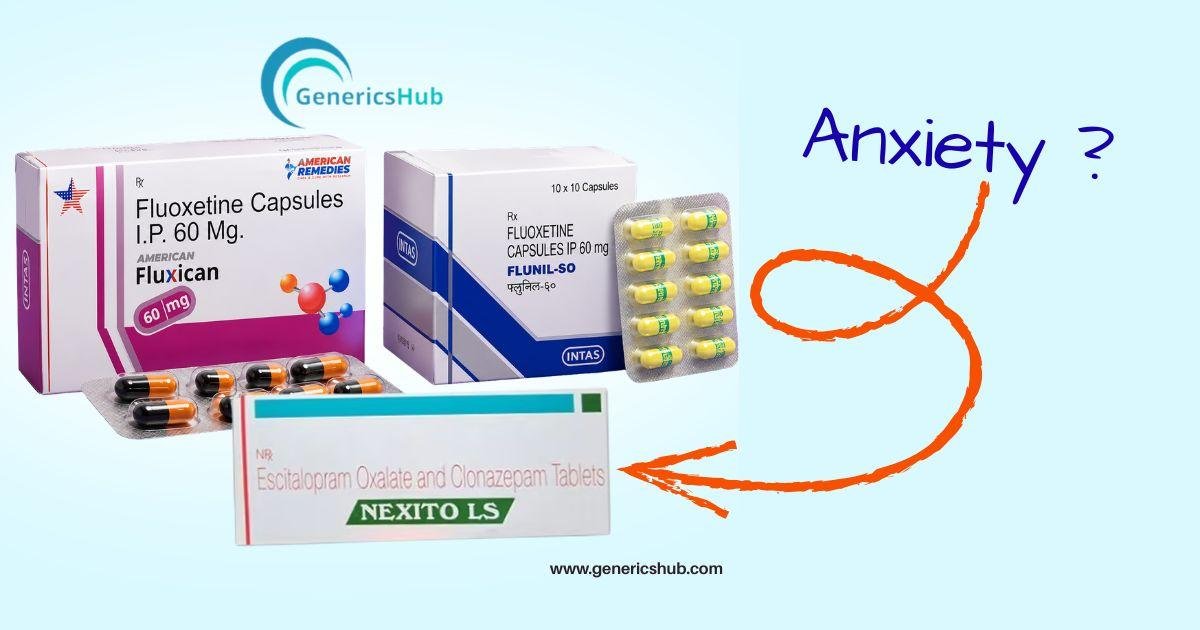
Medicines such as Fluxican 60 Mg or Nexito LS may be discussed in certain mental health situations, but their suitability depends on the individual's diagnosis, symptoms, medical history, and other medicines they take. They should only be used under appropriate medical supervision.
Modafinil is a prescription medicine primarily used for certain sleep-related conditions and is not a standard treatment for anxiety. It may affect sleep and anxiety differently from person to person, so it should not be started or used for anxiety without professional medical advice.
Never start, stop, or change the dose of a prescription medicine without consulting your doctor or another qualified healthcare professional.
Can Anxiety Be Completely Cured?
There is no single answer because anxiety affects everyone differently. Some people experience temporary anxiety during stressful periods, while others have long-term anxiety disorders that require ongoing management.
The important point is that anxiety can often be treated and managed effectively. A combination of therapy, healthy lifestyle habits, social support, and, when appropriate, professionally prescribed medication can help many people regain control over their lives.
Shop for Medicines at Genericshub Globally
For people looking for online access to medicines, Genericshub serves customers in international markets, including the UK, USA, Australia, Canada, and other locations. If you are considering purchasing any prescription medicine online, always verify that the pharmacy operates legally in your country, requires appropriate prescriptions when necessary, and provides genuine products. It is also important to check local regulations and speak with a healthcare professional before using prescription medicines.
Final Thoughts
Understanding how to break the anxiety cycle starts with recognizing that anxiety is a pattern that can be changed. Identifying triggers, questioning negative thoughts, reducing avoidance, practising relaxation techniques, improving sleep, staying active, and seeking professional help can all contribute to better mental health.
Whether you are dealing with generalized worry, Social Anxiety Disorder, panic symptoms, or another anxiety-related condition, you do not have to manage it alone. If anxiety is disrupting your daily life, reaching out to a qualified healthcare professional is an important step toward finding the right support.
Remember, learning about what are the 6 types of anxiety disorders can help you recognize symptoms, but only a qualified professional can diagnose an anxiety disorder. With the right guidance and consistent support, it is possible to reduce anxiety's impact and build healthier ways to cope with life's challenges.

 Arabic
 French
 Spanish
 Portuguese
 Deutsch
 Turkish
 Dutch
Dutch
 Italiano
 Russian
 Romaian
 Portuguese (Brazil)
 Greek
Greek