


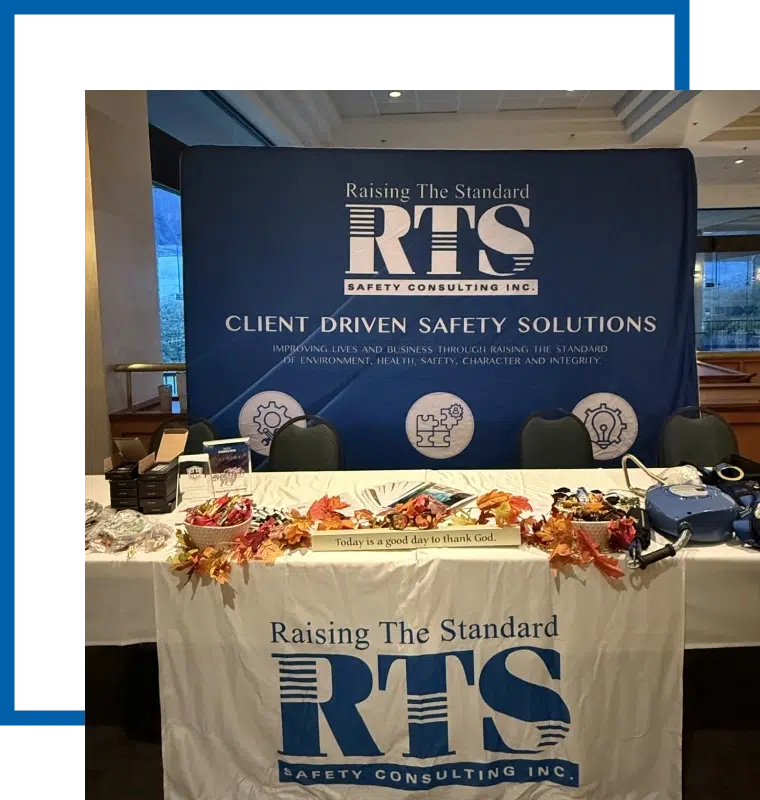
Workplace safety is essential for businesses that want to protect employees and maintain productive operations. Organizations must identify potential hazards, establish clear safety procedures, and ensure workers understand their responsibilities. Professional safety consulting helps businesses develop effective risk management strategies, improve working conditions, and reduce preventable accidents.
Understanding Workplace Safety Risks
Every workplace has unique hazards that require proper attention. Construction sites may involve heavy machinery, electrical systems, and working at heights. Manufacturing facilities may face risks related to chemicals, equipment operation, and repetitive tasks.
Identifying these hazards early allows businesses to take appropriate preventive action. Regular inspections help organizations recognize unsafe conditions and determine which areas require improvement.
Developing Comprehensive Safety Plans
A comprehensive safety plan provides clear guidance for managing workplace risks. It should include hazard identification procedures, emergency response instructions, equipment maintenance requirements, and employee safety responsibilities.
Businesses should ensure that all employees understand these procedures. Regular reviews help keep safety plans relevant as workplace activities and operational requirements change.
Well-developed plans also help managers maintain consistent safety standards throughout the organization.
Improving Employee Safety Training
Employee education is a key component of workplace accident prevention. Workers need to understand potential hazards and learn how to perform their duties safely.
Training programs may cover emergency evacuation, fire prevention, equipment operation, and the proper use of personal protective equipment.
Regular refresher sessions reinforce important safety practices and help employees remain aware of changing workplace risks.
Conducting Regular Safety Inspections
Safety inspections help organizations identify hazards before they cause injuries or operational disruptions. Inspections may involve checking equipment, evaluating housekeeping practices, reviewing emergency exits, and examining existing safety procedures.
When problems are identified, businesses should take corrective action promptly.
Documenting inspection findings also helps management track recurring problems and evaluate whether previous improvements have been successful.
Maintaining Workplace Compliance
Businesses must understand and follow applicable occupational health and safety regulations. Requirements may vary according to the industry, location, and type of work being performed.
Maintaining accurate safety records, providing appropriate employee training, and conducting regular inspections can support compliance efforts.
Qualified professionals can help organizations review their existing procedures and identify areas that require improvement.
Preventing Accidents and Reducing Costs
Workplace accidents can result in injuries, equipment damage, employee absences, and financial losses. Preventive safety measures help businesses reduce these risks and maintain more efficient operations.
Regular equipment maintenance, proper employee training, and timely hazard correction can minimize avoidable disruptions.
A safer workplace may also improve employee morale and strengthen confidence in management.
Building a Strong Safety Culture
A successful safety culture requires cooperation between employees and management. Organizations should encourage workers to report hazards, discuss concerns, and participate in safety improvement initiatives.
Regular meetings help teams share information and identify practical solutions to workplace challenges.
When safety becomes part of everyday decision-making, employees are more likely to follow established procedures and protect one another.
Conclusion
Workplace safety requires consistent planning, employee awareness, and continuous improvement. Businesses that prioritize preventive measures can reduce hazards, protect their workforce, and improve operational efficiency. Professional safety consulting helps organizations strengthen risk management practices and establish safer working environments that support sustainable business growth.

 Arabic
 French
 Spanish
 Portuguese
 Deutsch
 Turkish
 Dutch
 Italiano
 Russian
 Romaian
 Portuguese (Brazil)
 Greek