


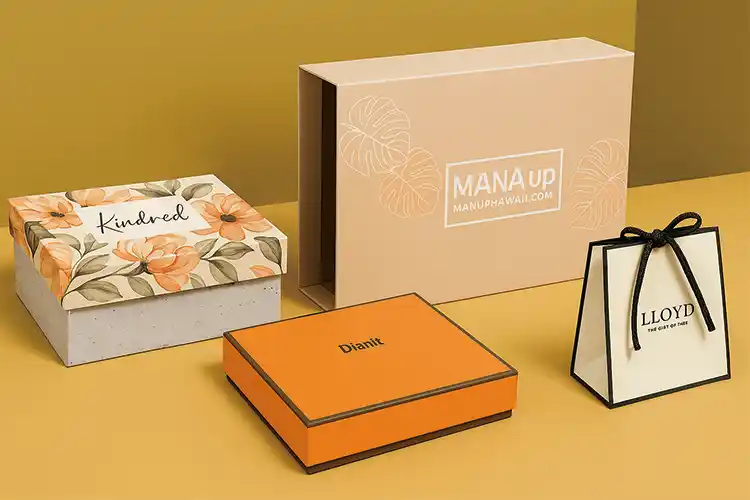
Luxury apparel boxes have become a standard expectation rather than a differentiator among premium fashion brands, which means the bar for what counts as "premium packaging" keeps rising. Rigid construction, considered finishes, and thoughtful sizing for folded garments all play a role in whether a box reinforces a brand's positioning or quietly undercuts it.
Brands evaluating this investment should also look at their returns rate specifically, since apparel categories with above-average returns see an outsized benefit from packaging that can survive multiple round trips without visibly degrading.
Why Apparel Brands Are Investing in Rigid Packaging
Clothing is a considered purchase at the premium end of the market, and brands have found that packaging quality directly affects how customers perceive the garment inside before it's even removed from the box.
Rigid packaging also survives the returns cycle, common in apparel, far better than a folding carton, which matters for brands with high return rates.
Sizing Boxes for Folded Garments vs. Accessories
Garments need to be sized to minimize excessive folding, which can crease fabric and undermine the presentation the box is meant to support, this often means a shallower, wider box rather than a deep, narrow one.
Accessories like scarves, belts, or small leather goods have more flexibility in box proportions since they're less prone to visible creasing.
Finish Options That Signal Premium Positioning
Soft-touch lamination remains the most common finish for luxury apparel boxes because it resists visible wear during the retail handling and returns process, while foil-stamped logos add a focal point without overwhelming a minimalist design.
Some brands use fabric-wrapped or textured board finishes for their highest-tier product lines to differentiate further from standard retail packaging.
Sustainable Materials Without Sacrificing Perceived Value
FSC-certified board and recycled-content options have matured enough that they no longer require a visible tradeoff in finish quality, which has made sustainability messaging much easier for apparel brands to adopt without diluting a luxury presentation.
Brands should confirm certification documentation from their supplier before printing any sustainability claim on the box.
Aligning Packaging Investment With Product Tiering
Most apparel brands sell across a range of price points even within a single collection, which makes a uniform packaging approach inefficient, a hero jacket priced well above the collection average can justify rigid packaging that wouldn't make financial sense for a basic t-shirt from the same line.
Segmenting packaging investment by product tier, rather than applying one standard across the entire catalog, tends to produce a better return on the packaging budget overall.
This tiered approach also gives customers a clearer signal about which pieces in a collection are positioned as statement items, reinforcing merchandising strategy rather than working against it.
Brands should also consider how packaging tiering is communicated internally, since customer service and retail staff benefit from understanding which products are packaged at which tier, particularly when handling exchanges or explaining presentation differences to customers who notice the variation.
Brands operating internationally should also confirm that rigid packaging dimensions and weights comply with any shipping or customs restrictions in key export markets, since a beautifully engineered box that adds excess dimensional weight can meaningfully increase international shipping costs on a per-unit basis.
Reviewing this before finalizing a dieline avoids an expensive redesign later, once a collection is already committed to international distribution and reordering artwork is no longer a simple fix.
Quick Planning Checklist for Luxury Apparel Boxes
● Box sizing tested against an actual folded garment sample
● Rigid packaging reserved for flagship or higher-price-point pieces
● Finish chosen for durability through repeated handling and returns
● Sustainable material certifications confirmed with the supplier
● Packaging investment tiered across the collection's price points
● Internal teams briefed on which products use which packaging tier
Common Mistakes When Sourcing Luxury Apparel Boxes
● Sizing a box for a folded garment without testing an actual sample, resulting in visible creasing that undermines the presentation.
● Applying rigid packaging uniformly across an entire catalog rather than reserving it for flagship pieces where the cost is justified.
● Choosing a finish based on trend rather than how it will perform through repeated retail handling and returns.
● Keeping the same packaging tier assignments static season after season without revisiting whether a product's current price point and positioning still justify rigid construction.
Frequently Asked Questions About Luxury Apparel Boxes
Is rigid packaging worth it for every apparel SKU?
Generally not, most brands reserve rigid boxes for flagship or higher-price-point pieces and use well-finished folding cartons for the broader catalog.
How should garments be sized within a rigid box to avoid creasing?
A shallower, wider box that minimizes folding is usually better than a deep, narrow one, testing with an actual garment sample before finalizing the dieline is essential.
Do sustainable materials compromise the premium feel of apparel packaging?
Not necessarily, FSC-certified board and recycled-content options have matured enough to match standard finish quality in most cases.
Should packaging investment vary across a single collection?
Yes, tiering packaging investment by product price point typically produces a better return than applying one uniform standard across an entire catalog.
Should customer-facing staff know which products get premium packaging?
Yes, briefing customer service and retail staff on packaging tiers helps them explain presentation differences to customers and handle exchanges consistently.
Should packaging tier assignments be revisited each season?
Yes, a product's position in the collection and price point can shift season to season, so packaging tier assignments are worth revisiting rather than treating as permanent.
Key Takeaways
● Rigid packaging survives the apparel returns cycle far better than folding cartons, which matters for categories with above-average return rates.
● Box sizing should minimize folding for garments, since visible creasing undermines the presentation the packaging is meant to support.
● Soft-touch lamination and foil-stamped logos remain the most common finishes for signaling premium apparel positioning.
● FSC-certified and recycled-content materials no longer require a visible tradeoff in finish quality at the luxury tier.
● Tiering packaging investment by product price point within a collection generally produces better ROI than a uniform approach.
Final Thoughts
Luxury apparel boxes work hardest when packaging investment is tiered deliberately across a collection rather than applied uniformly regardless of price point. Brands that size boxes to the actual garment, test finishes for durability through the returns cycle, and reserve rigid construction for flagship pieces get the strongest return on their packaging spend.
As a collection evolves season to season, it's worth revisiting which pieces qualify for the rigid packaging tier rather than keeping the assignment static, since a style that sold as a flagship item last season may not justify the same packaging investment if it moves into the core, ongoing collection at a lower price point.

 English
 Arabic
 French
 Spanish
 Portuguese
 Deutsch
 Turkish
 Dutch
Dutch
 Italiano
 Russian
 Romaian
 Greek
Greek