


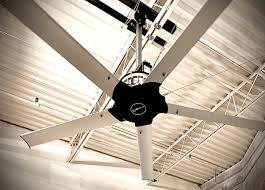
Choosing the right HVLS fan supplier is an important decision for businesses that need reliable airflow in large facilities. High Volume Low Speed (HVLS) fans are commonly used in warehouses, manufacturing plants, distribution centres, agricultural buildings, gyms, and commercial spaces to improve air circulation and support energy-efficient temperature management.
However, selecting a fan is only part of the purchasing process. The supplier you choose can affect product quality, installation, technical support, maintenance, and long-term operating costs. Before making a purchase, consider the following factors.
Understand Your Facility's Requirements
Before contacting an HVLS fan supplier, identify your facility's basic requirements. Consider the size of the building, ceiling height, floor layout, existing HVAC equipment, and the type of airflow you need.
Important factors include:
- Building dimensions
- Ceiling height
- Number of fans required
- Desired airflow coverage
- Operating environment
- Available electrical supply
- Existing ventilation systems
Having this information allows the supplier to recommend an appropriate fan configuration.
Evaluate Product Quality
Not all HVLS fans are designed the same way. A reliable supplier should offer products built for continuous commercial or industrial operation.
Ask about:
- Motor quality
- Blade construction
- Drive system
- Safety components
- Corrosion resistance
- Control technology
- Expected service life
Quality construction can reduce maintenance requirements and help ensure consistent performance over time.
Look at Motor Efficiency
The motor is a critical part of an HVLS fan's performance and energy consumption.
Ask suppliers about motor technology and efficiency ratings. Features such as direct-drive systems, variable-speed operation, and efficient motor designs can help reduce electricity consumption while providing the airflow your facility requires.
An energy-efficient fan may have a higher initial cost but can provide savings throughout its operating life.
Check Airflow Performance
A supplier should be able to provide clear information about the fan's airflow capabilities and coverage area.
When comparing models, consider:
- Airflow volume
- Air velocity
- Coverage area
- Fan diameter
- Operating speed
- Energy consumption
Avoid choosing a fan based solely on its physical size. The correct combination of airflow and coverage is more important for achieving effective air circulation.
Consider the Supplier's Experience
Experience can be a valuable indicator when selecting an HVLS fan supplier.
Look for suppliers that understand the requirements of different facilities, including:
- Warehouses
- Manufacturing plants
- Distribution centres
- Agricultural facilities
- Retail buildings
- Sports and recreational facilities
An experienced supplier should be able to recommend an appropriate solution based on your facility rather than simply selling a standard product.
Ask About Installation Services
Proper installation is essential for safe and efficient HVLS fan operation.
Ask whether the supplier provides installation services or works with qualified installation professionals.
Installation considerations may include:
- Structural support
- Ceiling height
- Electrical connections
- Fan spacing
- Mounting hardware
- Safety cables
- Clearance requirements
Professional installation can help ensure that the fan operates as intended.
Review Warranty Coverage
A warranty can provide valuable protection for your investment.
Before purchasing, ask what the warranty covers and how long coverage lasts.
Check coverage for:
- Motor components
- Fan blades
- Controls
- Electrical components
- Manufacturing defects
Also determine whether labour or replacement parts are included.
Consider After-Sales Support
The relationship with your supplier should not end after installation. Reliable technical support can be important when maintenance or troubleshooting is required.
Ask whether the supplier provides:
- Technical assistance
- Replacement parts
- Maintenance services
- Troubleshooting support
- Product documentation
- Training
Strong after-sales support can help minimize downtime and keep your fans operating efficiently.
Compare Pricing Carefully
Price is an important factor, but the lowest-priced fan may not always provide the best overall value.
When comparing suppliers, consider the total cost of ownership, including:
- Initial purchase price
- Installation
- Energy consumption
- Maintenance
- Replacement parts
- Warranty coverage
- Expected service life
A high-quality, energy-efficient fan may provide greater long-term value than a cheaper model with higher operating and maintenance costs.
Look for Customization Options
Every facility has different airflow requirements. A good supplier should offer multiple fan sizes, control options, and configurations.
Depending on your needs, you may want:
- Variable-speed controls
- Automated controls
- Remote monitoring
- Different fan diameters
- Specialized finishes
- Custom installation layouts
Customization can help maximize airflow and energy efficiency.
Consider Environmental Conditions
The operating environment can affect the type of HVLS fan you need.
For example, facilities with high humidity, dust, moisture, or corrosive conditions may require fans made with specialized materials or protective finishes.
Tell your supplier about your facility's operating conditions so they can recommend equipment designed for the environment.
Ask About Maintenance Requirements
Before purchasing, find out how much maintenance the fan requires.
Ask about:
- Cleaning requirements
- Motor maintenance
- Bearing maintenance
- Inspection intervals
- Replacement parts
- Professional servicing
A fan that is easy to maintain can help reduce downtime and long-term maintenance costs.
Check Safety Features
Safety should always be a priority when purchasing large ceiling-mounted equipment.
Ask about features such as:
- Safety cables
- Secure blade attachments
- Motor protection
- Mounting systems
- Emergency shutoff options
- Protective controls
The supplier should also provide installation and operating instructions to support safe use.
Read Reviews and Customer Feedback
Customer reviews can provide useful information about a supplier's products and services.
Look for feedback related to:
- Product reliability
- Installation quality
- Customer service
- Technical support
- Delivery
- Warranty handling
You can also ask the supplier for relevant project examples or references from similar facilities.
Ask the Right Questions
Before placing an order, ask your supplier questions such as:
- Which fan size is appropriate for my facility?
- How much area can one fan effectively cover?
- What motor technology does the fan use?
- How energy-efficient is the system?
- What controls are available?
- Does the supplier provide installation?
- What does the warranty cover?
- Are replacement parts readily available?
- What maintenance is required?
- What technical support is available after installation?
A reputable supplier should be able to provide clear answers and help you understand the reasoning behind their recommendations.
Final Thoughts
Choosing the right HVLS fan supplier is just as important as selecting the fan itself. Product quality, airflow performance, energy efficiency, installation, warranty coverage, technical support, and long-term maintenance should all be considered before making a purchase.
Take time to compare suppliers rather than focusing only on the initial price. A reliable supplier will understand your facility's requirements, recommend the appropriate equipment, provide installation guidance, and offer ongoing support.
With the right HVLS fan supplier, businesses can improve air circulation, increase workplace comfort, reduce energy costs, and make a long-term investment in efficient facility ventilation.

 English
 Arabic
 French
 Spanish
 Portuguese
 Deutsch
 Turkish
 Dutch
Dutch
 Italiano
 Romaian
 Portuguese (Brazil)
 Greek
Greek