


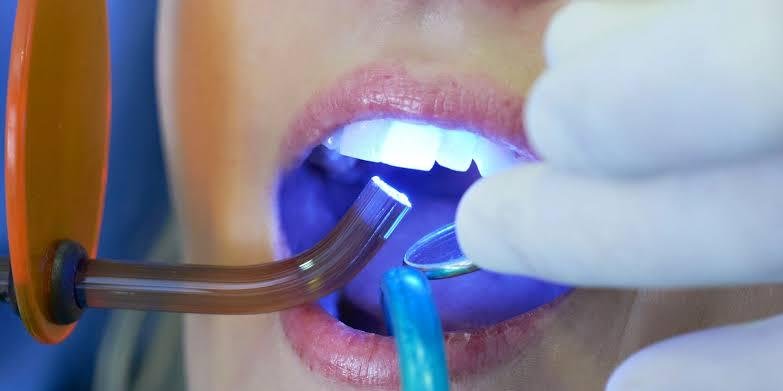
A smile can change the way a person feels about their appearance, but improving it does not always require extensive dental treatment. Cosmetic dentistry offers several ways to address concerns such as discoloration, small chips, uneven edges, gaps, or worn teeth. Among these choices, dental bonding is often considered because it can provide noticeable improvements while preserving much of the natural tooth structure.
Understanding how bonding compares with other cosmetic options can make the decision easier. Each treatment has different strengths, costs, timelines, and maintenance needs, so the best choice depends on the condition of the teeth and the results a person wants.
What Dental Bonding Can Improve
Dental bonding uses a tooth-colored composite material that is carefully applied to the tooth and shaped to improve its appearance. The material is then hardened and polished so it blends with the surrounding teeth.
Bonding can be useful for relatively minor cosmetic concerns, including:
-
Small chips or cracks on the front teeth
-
Minor gaps between teeth
-
Slightly uneven or irregular tooth shapes
-
Mild discoloration that cannot be corrected easily with whitening
-
Teeth that appear shorter because of minor wear
One advantage is that bonding usually requires little alteration to the natural tooth. For people researching dental bonding in Fort Lauderdale, this conservative approach may be worth considering when the cosmetic concern is relatively minor.
The procedure can also be completed relatively quickly compared with treatments that require laboratory-made restorations. However, composite material is not as resistant to staining or wear as some other cosmetic materials, which means long-term care matters.
Bonding Versus Professional Teeth Whitening
Whitening and bonding address different types of cosmetic concerns. Professional whitening is primarily designed to lighten the natural color of teeth. It can be a good choice when discoloration is the main issue and the teeth are otherwise healthy and shaped.
Bonding, on the other hand, can change both color and shape. A dentist can use composite material to cover certain areas of discoloration while also correcting minor imperfections.
Whitening may therefore make more sense for generalized staining, while bonding can be more useful when the concern involves the appearance or structure of individual teeth. In some cases, whitening may even be completed before bonding so the composite shade can be selected to match the brighter smile.
Bonding Versus Dental Veneers
Veneers are another popular cosmetic option, particularly for people looking for a broader change to the appearance of their front teeth. They are thin coverings designed to improve characteristics such as tooth color, shape, size, and symmetry.
Compared with bonding, veneers generally involve a greater financial investment and may require more preparation of the teeth. Porcelain veneers can also provide excellent stain resistance and a highly natural appearance.
Bonding has a different appeal. It is generally more conservative and can often be repaired or adjusted without replacing an entire veneer. This can make it attractive for someone who wants a smaller cosmetic change or prefers to preserve as much natural tooth structure as possible.
Neither option is automatically better. The right choice depends on the condition of the teeth, the desired appearance, budget, and willingness to maintain the restoration over time.
Bonding Versus Dental Crowns
Crowns serve a different purpose from most cosmetic bonding procedures. A crown covers a significant portion of a tooth and is typically considered when a tooth has substantial structural damage, extensive decay, or a large existing restoration.
For a relatively healthy tooth with a small cosmetic imperfection, placing a crown may be unnecessary. Bonding can sometimes address the visible issue without covering the entire tooth.
However, bonding is not designed to replace a restoration when a tooth needs substantial structural support. A dentist must first determine whether the tooth is strong enough for a cosmetic treatment. If structural protection is the priority, a crown or another restorative option may be more appropriate.
What Affects the Choice
Choosing between cosmetic treatments involves more than comparing how quickly each procedure can be completed. Several practical factors can influence the recommendation.
Important considerations include:
-
The size and location of the cosmetic concern
-
The overall health and strength of the tooth
-
Desired changes in color, shape, or alignment
-
Budget and long-term maintenance expectations
-
Existing dental work and previous restorations
-
Personal preferences regarding tooth preparation
For someone exploring teeth bonding in Fort Lauderdale, discussing these factors with a qualified dental professional can help determine whether bonding fits the situation. A consultation can also reveal whether another treatment could provide a more predictable or longer-lasting result.
How Long Does Bonding Last?
Dental bonding can last for years, but its lifespan varies from person to person. Habits such as biting hard objects, chewing ice, or using the teeth to open packages can increase the risk of chipping.
Good oral hygiene and regular dental appointments can help maintain the restoration. It is also important to remember that composite material may gradually become stained by foods and drinks, particularly when exposed to them frequently.
People considering dental bonding in Fort Lauderdale may want to ask about expected longevity as well as repair and maintenance. Knowing what to expect can make the treatment decision more realistic.
When Veneers May Make More Sense
Veneers may be worth considering when someone wants to make several coordinated cosmetic changes at once. They can be particularly useful when discoloration, shape, proportions, and minor visual irregularities affect multiple front teeth.
Because veneers are made to precise specifications, they can provide a consistent appearance across the smile. However, they require careful planning, and the decision is generally more involved than choosing bonding for a small cosmetic correction.
For someone with only a minor chip or small gap, bonding may provide enough improvement without pursuing a more extensive cosmetic procedure.
Making a Practical Cosmetic Choice
There is no single cosmetic dental treatment that works best for everyone. Bonding can be a practical choice for modest changes, while whitening may be better for overall discoloration and veneers may suit people seeking more comprehensive cosmetic changes.
The condition of the teeth should always be considered alongside the desired appearance. A treatment that looks ideal on one person may not be appropriate for another because tooth structure, bite, existing restorations, and oral health can differ considerably.
A thoughtful dental evaluation can help separate a simple cosmetic concern from an issue that requires restorative treatment. That distinction is important because preserving healthy natural tooth structure should remain a priority whenever possible.
Choosing the Right Approach for Your Smile
Cosmetic dentistry offers plenty of options, but having more choices does not necessarily make the decision easier. Dental bonding stands out for its conservative nature and ability to correct several minor imperfections in a relatively straightforward way.
Whitening, veneers, and crowns each have their own role, and the most suitable option depends on the individual circumstances. Taking time to understand the differences can help avoid choosing a treatment based only on appearance, price, or popularity.
For readers considering cosmetic improvements, a consultation with a trusted dental professional can provide useful guidance based on the actual condition of the teeth. A natural-looking result should not only improve the smile but also fit comfortably into long-term oral care. Those exploring their options may find All Smiles Dental a useful place to begin the conversation and learn which approach may best suit their needs.

 Arabic
 French
 Spanish
 Portuguese
 Deutsch
 Turkish
 Dutch
Dutch
 Italiano
 Russian
 Romaian
 Portuguese (Brazil)
 Greek
Greek