


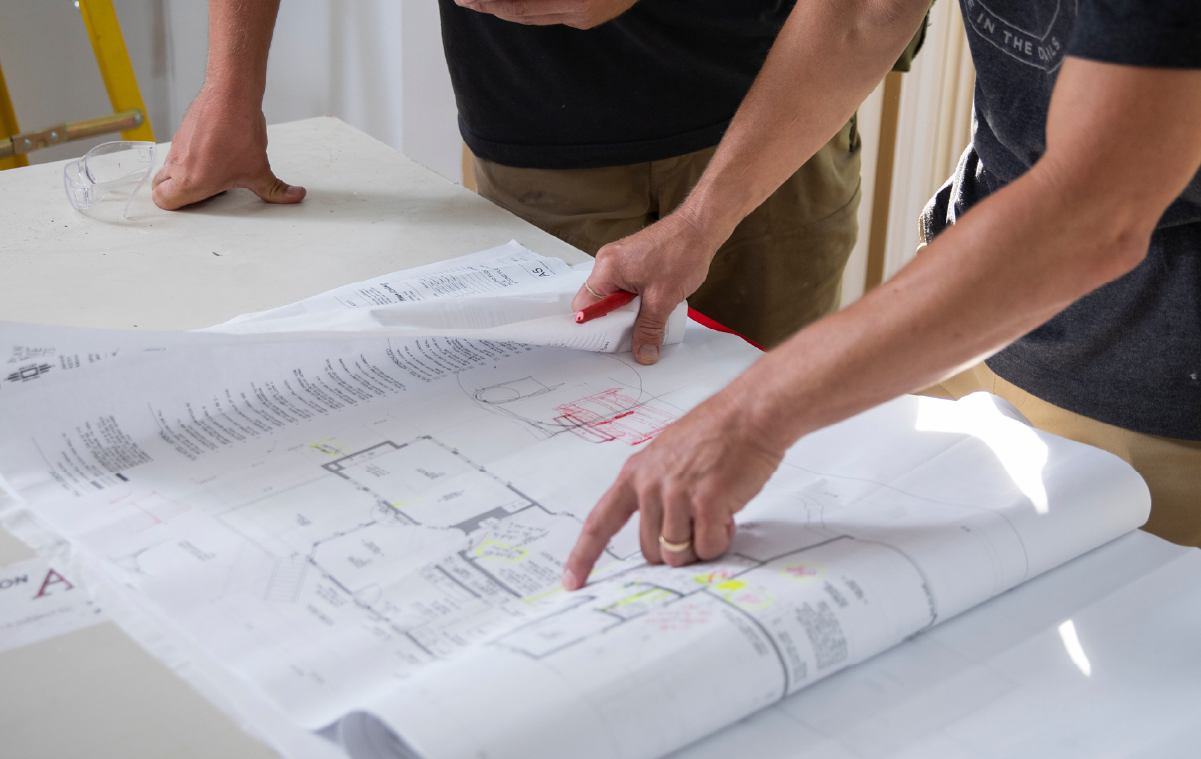
Construction projects involve numerous activities, professionals, materials, and resources that must work together effectively. Construction project management provides the structure needed to coordinate these elements and keep projects aligned with their goals. From initial planning to final completion, effective project management helps control schedules, budgets, quality, safety, and overall performance.
Effective Project Planning
Successful construction begins with detailed planning. Construction project managers establish project objectives, define the scope of work, develop schedules, estimate costs, and identify the resources required.
A comprehensive plan provides a clear roadmap for the entire project. It also helps teams anticipate potential challenges and establish strategies for addressing them before they affect construction progress.
Better Schedule Management
Delays can increase construction costs and affect other project activities. Construction project management helps teams create realistic schedules and monitor progress throughout the project.
Project managers coordinate contractors, subcontractors, suppliers, and workers to ensure that activities are completed in the appropriate sequence. Regular progress reviews can help identify delays early and allow corrective measures to be implemented.
Improved Cost Control
Maintaining control over project expenses is a major responsibility of construction project management. Managers track labor, materials, equipment, subcontractor costs, and other expenses against the approved budget.
Regular cost monitoring helps identify budget deviations before they become major problems. Effective financial management can reduce unnecessary spending and improve the likelihood of completing the project within its planned budget.
Efficient Resource Management
Construction projects require careful management of labor, equipment, materials, and other resources. Project managers determine when resources are needed and coordinate their availability.
Efficient resource allocation reduces idle time, prevents material shortages, and helps workers and equipment remain productive. This contributes to smoother project execution and better overall efficiency.
Strong Communication and Coordination
Construction projects involve multiple stakeholders with different responsibilities. Architects, engineers, contractors, suppliers, clients, and subcontractors must communicate effectively.
Construction project managers help establish clear communication channels and ensure that important information reaches the appropriate parties. Better communication reduces misunderstandings, minimizes errors, and supports faster decision-making.
Quality Management
Maintaining construction quality is essential for delivering durable and reliable structures. Project managers coordinate inspections, testing, documentation, and quality control procedures.
Monitoring work throughout construction allows teams to identify defects and address them before they become more costly to correct. Consistent quality management also helps ensure that construction complies with project specifications.
Risk Management
Every construction project involves potential risks, including unexpected site conditions, material delays, design changes, safety incidents, and budget challenges.
Effective project management involves identifying these risks, evaluating their potential impact, and developing mitigation strategies. Proactive risk management helps reduce disruptions and keeps the project moving toward completion.
Construction Safety
Safety management is a critical part of project delivery. Construction project managers help ensure that appropriate safety procedures, training, inspections, and protective measures are implemented on the job site.
A strong safety approach protects workers and can also reduce project interruptions caused by accidents or unsafe conditions.
Managing Changes Effectively
Changes to construction plans can occur because of client requirements, design modifications, material availability, or unforeseen site conditions. Without proper management, changes can lead to delays and cost overruns.
Project managers evaluate proposed changes, assess their effects on the schedule and budget, and coordinate implementation. This helps maintain greater control over the project's overall direction.
Successful Project Completion
Construction project management continues through the final stages of a project. Managers coordinate inspections, testing, documentation, defect correction, and handover activities.
A structured closeout process helps ensure that the completed facility meets contractual requirements and is ready for its intended use.
Conclusion
Construction project management provides the coordination and oversight required for successful project delivery. Through effective planning, schedule management, cost control, resource allocation, communication, quality assurance, risk management, and safety practices, project managers help construction teams work efficiently.
A professional approach to construction project management can minimize delays and unnecessary expenses while improving quality and stakeholder satisfaction. Ultimately, strong project management helps deliver construction projects safely, efficiently, on schedule, and within budget.

 Arabic
 French
 Spanish
 Portuguese
 Deutsch
 Turkish
 Dutch
Dutch
 Italiano
 Russian
 Romaian
 Portuguese (Brazil)
 Greek
Greek