


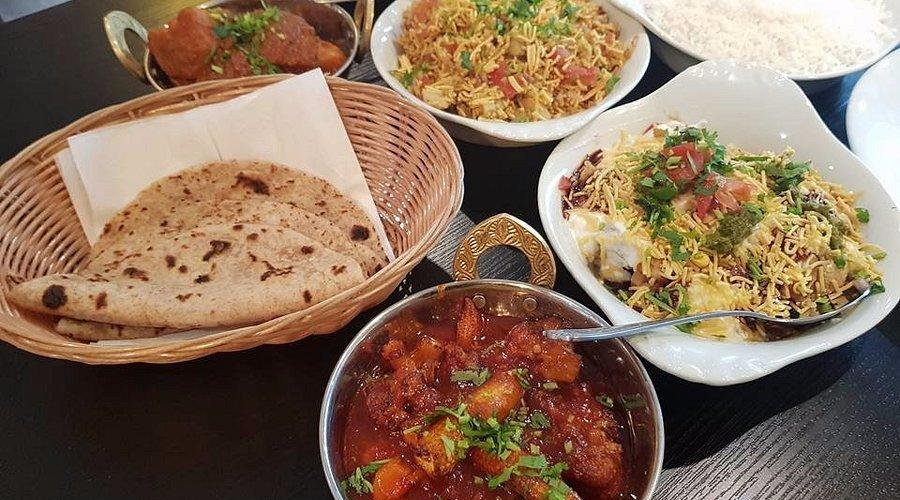
Planning food for a special event can be challenging, especially when guests have different tastes and dietary preferences. A successful menu needs to provide enough variety while fitting the style, size, and budget of the occasion.
Indian cuisine offers an excellent solution because vegetarian food is deeply rooted in many Indian culinary traditions. From crispy appetizers and flavorful curries to paneer, rice, breads, chaat, and traditional sweets, an Indian vegetarian menu can give guests plenty of choices.
For weddings, birthdays, corporate functions, religious gatherings, and family celebrations, indian vegetarian catering can provide a complete dining experience rather than simply a few meat-free alternatives.
Why Indian Vegetarian Catering Is a Smart Event Choice
Indian vegetarian cuisine offers remarkable diversity.
A single menu can combine creamy, spicy, tangy, savoury, sweet, and aromatic dishes. This makes it easier to accommodate guests with different preferences without creating an overly complicated catering plan.
Vegetarian catering can also simplify event planning when a large portion of the guest list prefers meat-free food.
Instead of preparing separate meals, hosts can create a menu where vegetarian dishes are the main attraction.
Start With Appetizers
Appetizers provide the first opportunity for guests to experience the menu.
Popular Indian vegetarian starters include:
- Samosas
- Pakoras
- Paneer tikka
- Aloo tikki
- Vegetable cutlets
- Chaat
- Pani puri
- Bhel puri
Samosas and pakoras are especially suitable for receptions because they are easy to serve and can be enjoyed as finger foods.
Chaat stations can also add variety and create an interactive element.
Build Variety With Paneer
Paneer is one of the most versatile ingredients in Indian vegetarian cooking.
It can be grilled, marinated, added to curries, or combined with vegetables.
Some popular options include palak paneer, matar paneer, shahi paneer, and kadai paneer.
For event menus, paneer provides a substantial main-course option with a texture that many guests find familiar and satisfying.
Include Lentils and Chickpeas
A balanced vegetarian menu should not rely entirely on creamy dishes.
Lentils and chickpeas offer hearty alternatives and introduce different textures.
Dal makhani, dal tadka, and chana masala are examples of dishes that can complement paneer and vegetable curries.
These dishes also pair naturally with rice and Indian breads.
Choose Complementary Vegetable Dishes
Vegetable curries can add colour and variety to the buffet.
Options may include:
- Aloo gobi
- Bhindi masala
- Baingan bharta
- Mixed vegetable curry
- Vegetable korma
- Jeera aloo
- Matar mushroom
When selecting several dishes, try to choose different flavour profiles rather than multiple curries with similar sauces.
Rice Adds Substance to the Menu
Rice is an essential part of many Indian meals and works particularly well for larger events.
Hosts can consider options such as:
- Jeera rice
- Vegetable pulao
- Saffron rice
- Vegetable biryani
- Plain basmati rice
Vegetable biryani can act as both a flavorful side and a substantial main dish.
Its aromatic rice, vegetables, herbs, and spices make it an appealing choice for many guests.
Don't Overlook Indian Breads
Breads help bring the main dishes together.
Naan is a popular choice because it pairs well with creamy and flavorful curries.
Roti provides a lighter option, while paratha offers a flaky texture and richer taste.
For large events, organizers can select a few bread varieties rather than offering too many options.
Add Fresh Sides
Fresh sides can balance richer dishes.
A buffet can include salads, raita, chutneys, pickles, and fresh vegetables.
Mint chutney can add brightness to appetizers, while raita can provide a cooling accompaniment for spicy curries and biryani.
These smaller additions can make the entire menu feel more complete.
Indian Vegetarian Food Catering for Weddings
Weddings require special attention because guest preferences can vary significantly.
A vegetarian Indian wedding menu can be designed around appetizers, several mains, rice, breads, salads, and desserts.
For a larger reception, a buffet may be the most practical format because guests can select their preferred dishes.
Live stations can also make the experience more memorable.
For example, a chaat or fresh naan station can provide guests with food that is prepared or finished during the event.
Catering for Corporate Events
Corporate gatherings often require efficient food service.
Office lunches, conferences, networking events, meetings, and employee celebrations may benefit from catering that is easy to serve while offering enough variety.
Vegetarian Indian dishes can provide a flavorful alternative to conventional corporate menus.
A simple spread featuring samosas, paneer, vegetable curry, dal, rice, naan, salad, and dessert can create a complete meal without requiring complicated individual orders.
Family Gatherings Need Flexible Menus
Family events often bring together guests of different generations.
Children may prefer milder dishes, while adults may want more strongly seasoned food.
Some guests may prefer paneer, while others enjoy vegetable curries, rice, or snacks.
This is where indian vegetarian food catering becomes particularly useful.
A varied menu allows everyone to choose dishes based on their preferences.
Religious and Cultural Celebrations
Food can have particular cultural and religious significance.
Indian vegetarian cuisine is frequently associated with a range of celebrations and community gatherings.
For these events, hosts may want dishes that reflect traditional flavours while also accommodating modern serving requirements.
Menu planning should take into account cultural preferences, dietary restrictions, guest count, and the overall nature of the celebration.
Buffet or Plated Catering?
Choosing the right serving style is just as important as choosing the menu.
Buffet
A buffet allows guests to select their own food and portions.
It works particularly well for Indian cuisine because there may be several curries, rice dishes, breads, appetizers, and desserts.
Plated Service
Plated meals provide a more formal experience.
They can be suitable for weddings and corporate dinners where organizers want a structured meal.
Family-Style Dining
Shared dishes can be placed on tables, encouraging guests to eat together.
This style can create a relaxed and welcoming atmosphere.
Live Stations
Live stations can add an interactive element and provide freshly prepared food during the event.
Think About Spice Levels
Spice preferences can vary considerably among guests.
A well-balanced event menu should include mild and moderately seasoned choices.
Creamy paneer dishes, dal, rice, and certain vegetable preparations can provide gentler options, while more strongly spiced dishes can satisfy guests who prefer bolder flavours.
Discuss spice levels with the catering provider before finalizing the menu.
Traditional Sweets Make Events Special
Indian sweets can add a cultural and celebratory element to any event.
Popular choices include:
- Gulab jamun
- Rasmalai
- Jalebi
- Barfi
- Ladoo
- Kheer
- Gajar halwa
- Kulfi
Sweets can be included in the main buffet or arranged as part of a separate dessert station.
They can also be packaged as take-home gifts for guests.
Consider the Guest Experience
Great catering is about more than serving food.
The guest experience can be influenced by:
- Food presentation
- Buffet organization
- Serving temperature
- Staff availability
- Timing
- Table setup
- Menu labels
- Portion availability
Guests should be able to move through the serving area easily and understand what each dish contains.
Good organization can make even a large buffet feel comfortable.
Discuss Dietary Requirements Early
Event organizers should communicate dietary requirements before the event.
Guests may have allergies or avoid particular ingredients such as dairy, nuts, or gluten.
A caterer can then advise which dishes are suitable and whether any special arrangements are needed.
Waiting until the event day to discuss important restrictions can create unnecessary complications.
How to Choose a Catering Provider
When comparing vegetarian indian food catering providers, consider the complete service rather than only the menu.
Important factors include:
Food Quality
Look for consistent preparation and fresh ingredients.
Menu Variety
Make sure there are enough appetizers, mains, sides, breads, rice, and desserts.
Event Experience
Ask whether the provider has experience with events similar to yours.
Service
Determine whether delivery, setup, serving staff, and cleanup are included.
Customization
Find out whether dishes can be adjusted based on guest preferences and event requirements.
Reviews
Customer feedback can offer useful insight into food, service, communication, and reliability.
How Many Dishes Should You Choose?
A larger menu is not necessarily better.
Too many options can make a buffet difficult to manage and may result in unnecessary food waste.
Instead, focus on balance.
For example, an event menu could include two appetizers, two or three vegetarian mains, one lentil dish, one rice preparation, naan, salad, raita, chutneys, and two desserts.
The right number ultimately depends on guest count and the event format.
Why Indian Vegetarian Food Appeals to Everyone
Vegetarian Indian food is not limited to people who follow vegetarian diets.
Many diners enjoy Indian vegetarian dishes because of their flavour, texture, and variety.
Paneer, samosas, dal, chana masala, vegetable biryani, naan, and traditional sweets are popular among many different types of guests.
This makes vegetarian Indian catering a practical option for mixed groups.
Making the Menu Match the Occasion
Each event has its own personality.
A wedding may call for an extensive menu with appetizers, several main courses, desserts, and live stations.
A corporate lunch might require a simpler setup.
A family gathering could focus on traditional favourites and shared dishes.
Matching the menu and serving format to the event can make the food feel more appropriate and intentional.
Local Catering Can Simplify Planning
Working with a local catering provider can make logistics easier.
Delivery routes, setup schedules, venue requirements, and event timing all need to be coordinated.
A provider familiar with the local area may already understand common event spaces and delivery requirements.
For hosts planning an event, this can make communication more straightforward.
Final Thoughts
Choosing vegetarian Indian catering can give an event a menu filled with flavour, variety, and traditional character.
From samosas and chaat to paneer, lentils, vegetable curries, rice, naan, and Indian sweets, there are countless ways to create a balanced menu.
For weddings, corporate events, birthdays, religious functions, and family celebrations, indian vegetarian catering offers enough flexibility to accommodate different tastes while keeping the focus on flavorful vegetarian cuisine.
The most important step is to plan around your guests. Consider the guest count, dietary requirements, preferred spice levels, event style, serving format, and budget before selecting the final menu.
With thoughtful planning and a reliable catering team, Indian vegetarian food can become one of the highlights of the celebration, giving guests a memorable dining experience while bringing everyone together around the table.

 English
 Arabic
 French
 Spanish
 Portuguese
 Deutsch
 Turkish
 Dutch
Dutch
 Italiano
 Russian
 Romaian
 Greek
Greek