


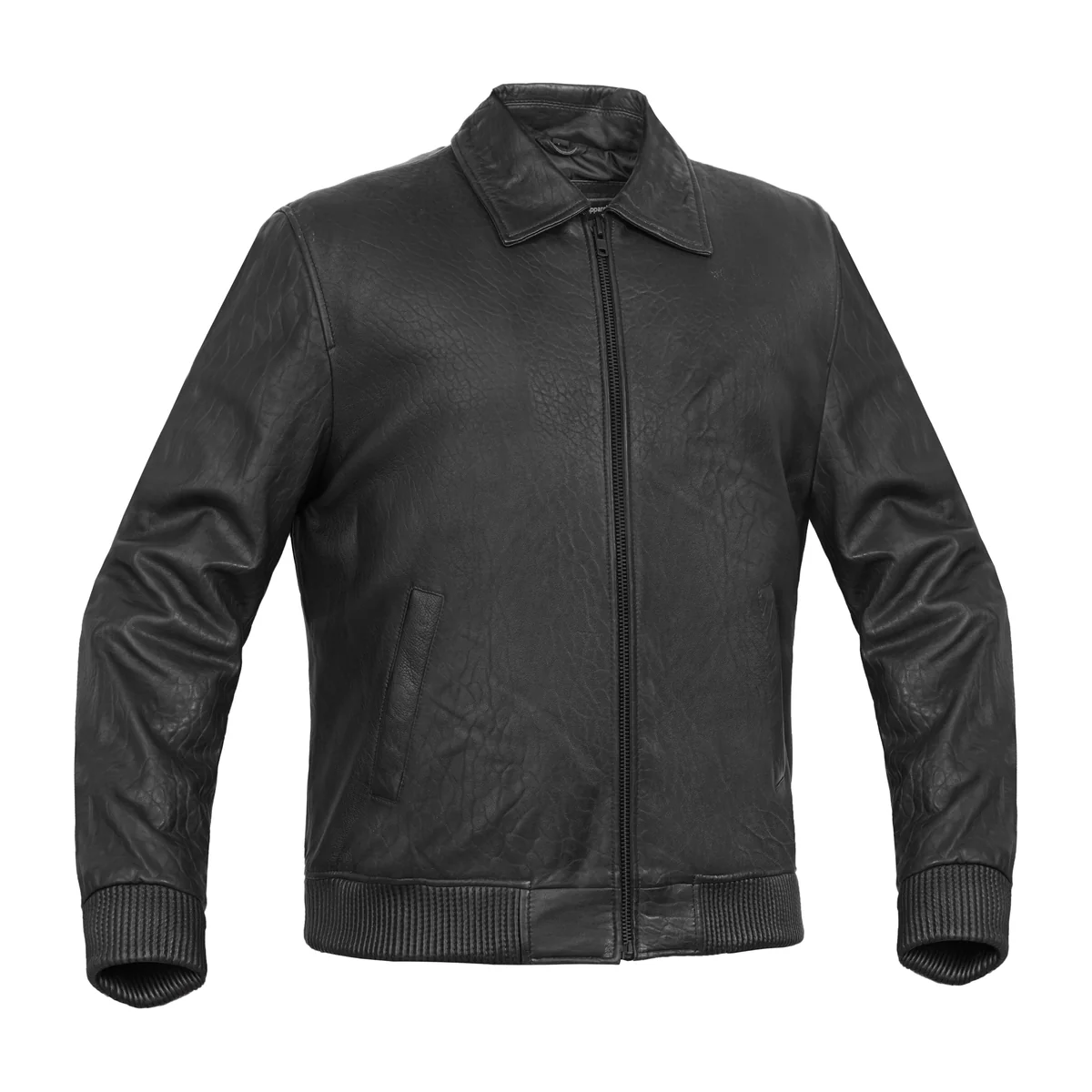
Motorcycle clothing has developed significantly over the decades, but military influences continue to shape the appearance and construction of modern riding gear. Many riders are drawn to military inspired apparel because it combines practical design elements with a distinctive visual identity. Features such as durable fabrics, functional pockets, structured collars, reinforced panels, and weather resistant materials can all be found in motorcycle clothing influenced by military uniforms.
Among these styles, the military-style riding jacket has become particularly recognizable. Its design often reflects the practical priorities associated with military outerwear while being adapted for motorcycle use. Understanding the history, materials, construction, and riding applications behind these jackets can help riders better appreciate what separates fashion inspired outerwear from purpose built motorcycle equipment.
The Military Influence on Motorcycle Clothing
Military clothing has historically been designed around durability, mobility, and protection from changing environments. These principles have naturally influenced motorcycle apparel, especially jackets intended for riders who spend extended periods outdoors.
Early military garments commonly featured heavy fabrics, practical closures, high collars, and multiple storage compartments. Motorcycle jacket manufacturers have adapted similar characteristics to create garments that provide a rugged appearance while supporting everyday riding requirements.
A modern jacket may borrow the silhouette of military clothing without being manufactured to military specifications. Therefore, the appearance of a jacket should not automatically be interpreted as evidence of protective performance. Motorcycle specific features such as abrasion resistant construction, impact protection compatibility, secure closures, and appropriate certification remain important considerations.
Understanding the WWII Bomber Influence
One of the most recognizable military influences in motorcycle fashion comes from aviation clothing. The WWII bomber inspired riding jacket reflects the visual characteristics associated with classic flight jackets, including shorter silhouettes, fitted cuffs, sturdy outer materials, and functional construction.
Original bomber jackets were developed for aviation environments where warmth, movement, and durability were important. Over time, their distinctive appearance moved beyond military aviation and became part of mainstream fashion and motorcycle culture.
Modern versions may incorporate additional motorcycle specific features while maintaining the recognizable bomber aesthetic. Depending on the manufacturer, these can include armor pockets, reinforced stitching, removable liners, ventilation systems, and abrasion resistant textile construction.
Why Textile Materials Are Common in Riding Jackets
Leather has long been associated with motorcycle clothing, but textile materials have become increasingly important in modern riding equipment. Textile motorcycle riding jackets can be manufactured using different synthetic and technical fabrics designed to balance durability, flexibility, ventilation, and weather resistance.
Textile construction can provide advantages for riders who regularly encounter changing weather conditions. Some jackets incorporate waterproof membranes, removable thermal liners, ventilation openings, and adjustable cuffs to improve comfort across different seasons.
However, not every textile jacket provides the same level of protection. Riders should examine the material specifications, abrasion resistance, protective inserts, and applicable safety certifications rather than judging a garment solely by its appearance.
Features Found in a Modern Textile Riding Jacket
A textile riding jacket can include several features designed specifically for motorcycle use. These may include adjustable waist systems, protective armor compartments, reinforced impact areas, reflective elements, ventilation panels, and weather resistant layers.
The construction method also affects how a jacket performs during riding. Strong seams and secure fasteners can contribute to durability, while strategically positioned ventilation can improve airflow during warmer conditions.
Some textile jackets are designed primarily for touring, while others focus on urban riding or adventure motorcycle use. Their construction can therefore vary considerably depending on the intended riding environment.
The Role of Military Grade Construction
The phrase handcrafted military grade riding jacket is often used in descriptions of rugged motorcycle apparel to communicate durability and a military inspired design philosophy. However, consumers should examine such claims carefully because terminology such as military grade does not necessarily represent a standardized motorcycle safety certification.
A genuinely well constructed jacket should provide clear information about its materials, stitching, protective components, and intended use. Handcrafted construction can also refer to attention to detail, individual finishing, or traditional manufacturing techniques, but it should not automatically be considered a substitute for tested motorcycle protection.
For riders interested in military aesthetics, the most useful approach is to separate visual styling from measurable performance characteristics.
How Mens Textile Jackets Differ Across Riding Styles
The market for mens textile jackets includes garments designed for a wide range of riding conditions. An urban commuter may prioritize lightweight construction and ventilation, while a touring rider may require thermal insulation, waterproofing, storage capacity, and compatibility with protective armor.
Adventure riders can require additional durability and weather protection because they may encounter gravel roads, rain, dust, and changing temperatures. Meanwhile, riders in warm climates may benefit more from highly ventilated textile construction.
This variety demonstrates why motorcycle clothing should be evaluated according to riding conditions rather than appearance alone. A jacket that works well for short urban trips may not offer the same practical benefits during long distance touring.
Military Styling Versus Motorcycle Protection
Military styling and motorcycle safety are two separate aspects of riding apparel. A jacket can have an authentic military appearance while offering limited protection, just as a highly protective motorcycle jacket can have a completely modern appearance.
Protective motorcycle jackets may be evaluated according to abrasion resistance and impact protection standards. In markets where EN 17092 certification is relevant, riders can examine the garment's certification classification to understand its tested protective performance.
Armor is another important consideration. Motorcycle jackets may accommodate protectors for areas such as the shoulders, elbows, and back. The quality, positioning, and certification of those protectors can influence the overall protective capability of the garment.
Consequently, military inspired styling is best viewed as an aesthetic and functional design influence rather than a guarantee of safety.
Materials That Affect Jacket Performance
Different materials influence how motorcycle jackets behave during daily use. Heavy textile fabrics can provide durability, while lighter technical fabrics may prioritize ventilation and flexibility.
Synthetic materials can also be combined with waterproof membranes or thermal liners to create adaptable riding systems. Some jackets allow liners to be removed when temperatures rise, while ventilation panels can increase airflow during summer riding.
Leather remains popular because of its traditional appearance and abrasion resistance characteristics, but textile construction offers flexibility in design and can incorporate weather management features more easily.
Practical Considerations for Riders
When evaluating military inspired motorcycle apparel, riders can look beyond the visual design and investigate several practical characteristics.
Protection should be one of the first considerations. The garment should be suitable for motorcycle use and, where applicable, provide certified protection.
Fit is also important. A jacket that is too loose may allow protective armor to move away from the intended position, while an overly tight jacket can restrict movement and reduce comfort.
Weather conditions should also influence the decision. Waterproofing, insulation, ventilation, and removable layers can make a significant difference when riding through changing environments.
Storage is another practical feature. Military influenced jackets often include multiple pockets, but riders should consider whether those pockets are secure and convenient while seated on a motorcycle.
Why Military Inspired Jackets Remain Popular
Military inspired motorcycle jackets have remained popular because they combine historical influences with modern motorcycle culture. Their structured silhouettes and functional details provide a distinctive alternative to conventional fashion jackets.
The military aesthetic can also communicate durability and practicality, which naturally appeals to motorcycle riders. However, modern riding equipment must meet the demands of motorcycle use rather than simply reproducing the appearance of historical military clothing.
The strongest designs combine recognizable military influences with features developed specifically for modern riders. This can include abrasion resistant fabrics, protective armor compatibility, ventilation, weather protection, and secure adjustment systems.
Conclusion
Military influences have played an important role in the development of motorcycle fashion, particularly through aviation and utility clothing. From the classic military-style riding jacket to the recognizable WWII bomber inspired riding jacket, these designs continue to influence modern motorcycle apparel.
At the same time, textile technology has expanded the possibilities for motorcycle clothing. Textile motorcycle riding jackets, a modern textile riding jacket, and different types of mens textile jackets can offer combinations of durability, ventilation, weather protection, and comfort.
Terms such as handcrafted military grade riding jacket can describe a garment's construction philosophy or aesthetic, but riders should investigate measurable specifications rather than relying on marketing terminology. Ultimately, the most suitable motorcycle jacket balances design preferences with fit, weather requirements, protective features, and the demands of the intended riding environment.
Frequently Asked Questions
Are military style motorcycle jackets suitable for riding?
Military inspired jackets can be suitable for riding when they are specifically constructed for motorcycle use and include appropriate protective features. A military appearance alone does not guarantee motorcycle safety.
What makes a WWII bomber inspired jacket different?
A WWII bomber inspired jacket typically draws from historical aviation clothing through features such as a shorter cut, structured collar, fitted cuffs, and rugged styling. Motorcycle versions may add protective and weather resistant features.
Are textile motorcycle jackets good for long distance riding?
Textile jackets can be well suited to long distance riding because many designs provide ventilation, weather resistance, removable liners, storage, and compatibility with protective armor. The specific features vary between garments.
What should riders look for in a textile riding jacket?
Riders can examine abrasion resistance, protective armor compatibility, certification, fit, ventilation, waterproofing, insulation, and adjustment systems. The appropriate combination depends on the riding environment and climate.
Does military grade mean a motorcycle jacket is safer?
Not necessarily. Military grade is not by itself a universal motorcycle safety certification. Riders should look for documented protective specifications and recognized motorcycle safety standards when evaluating protective performance.

 English
 Arabic
 French
 Portuguese
 Deutsch
 Turkish
 Dutch
Dutch
 Italiano
 Russian
 Romaian
 Portuguese (Brazil)
 Greek
Greek