


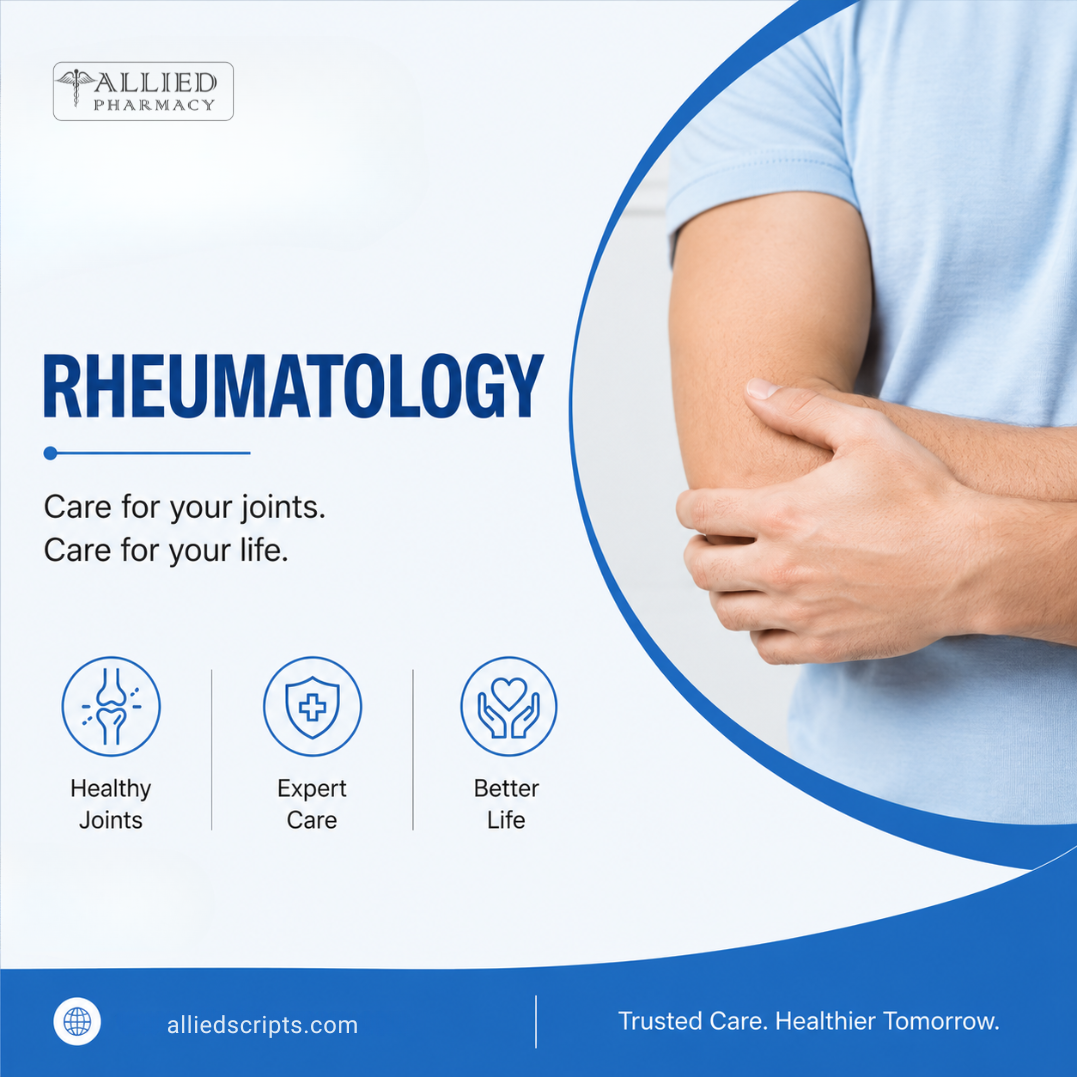
Healthy joints and muscles are essential for maintaining an active lifestyle. From walking and climbing stairs to typing on a keyboard or lifting everyday objects, every movement depends on a well-functioning musculoskeletal system. However, when pain, stiffness, swelling, or inflammation develops, even the simplest tasks can become difficult. This is where rheumatology plays a vital role.
Rheumatology is a specialized field of medicine that focuses on diagnosing, treating, and managing diseases affecting the joints, muscles, bones, and connective tissues. Many rheumatic conditions are autoimmune disorders, meaning the immune system mistakenly attacks healthy tissues, causing chronic inflammation and joint damage. With early diagnosis and the right treatment plan, many people can regain mobility, reduce pain, and continue living an active life.
This article explains how rheumatology improves quality of life, the conditions it treats, common symptoms, available treatment options, and practical tips for maintaining healthy joints.
Understanding Rheumatology
Rheumatology is more than treating arthritis. It covers over 100 different diseases that affect the body's musculoskeletal system and immune response. Rheumatologists specialize in identifying the underlying causes of joint pain and inflammation, helping patients receive targeted treatments instead of simply managing symptoms.
Unlike injuries that heal over time, rheumatic diseases are often chronic and require long-term care. Modern medicine has significantly improved the outlook for patients through advanced medications, personalized treatment plans, and regular monitoring.
Why Mobility Matters
Mobility is closely linked to independence and overall well-being. When joints become inflamed or damaged, people may struggle with everyday activities such as:
- Walking comfortably
- Climbing stairs
- Carrying groceries
- Driving
- Exercising
- Sleeping without pain
Reduced mobility can also affect emotional health by limiting social activities and lowering self-confidence. Rheumatology aims to restore movement while reducing pain and preventing further joint damage.
Common Conditions Treated by Rheumatologists
Rheumatoid Arthritis
Rheumatoid arthritis (RA) is an autoimmune disease that causes the immune system to attack healthy joint tissues. It commonly affects the hands, wrists, knees, and feet, often on both sides of the body.
Symptoms include:
- Persistent joint pain
- Morning stiffness lasting more than 30 minutes
- Swollen joints
- Fatigue
- Reduced grip strength
Without treatment, RA can permanently damage joints and reduce mobility.
Osteoarthritis
Osteoarthritis is the most common form of arthritis and develops when cartilage gradually wears away over time. It usually affects older adults but can also occur after injuries or repetitive stress.
Common symptoms include:
- Joint pain during activity
- Stiffness after resting
- Limited flexibility
- Grinding sensations
- Swelling around affected joints
Proper treatment helps improve movement and reduce discomfort.
Lupus
Lupus is an autoimmune disease that can affect the joints, skin, kidneys, lungs, heart, and nervous system.
Joint-related symptoms often include:
- Pain
- Swelling
- Stiffness
- Fatigue
Because lupus symptoms vary greatly, early diagnosis is important for preventing serious complications.
Psoriatic Arthritis
Some individuals with psoriasis develop inflammation in their joints. This condition is called psoriatic arthritis.
Symptoms include:
- Swollen fingers and toes
- Joint pain
- Nail changes
- Morning stiffness
- Fatigue
Early treatment can prevent permanent joint damage.
Ankylosing Spondylitis
This inflammatory disease mainly affects the spine and sacroiliac joints.
Patients often experience:
- Lower back pain
- Morning stiffness
- Reduced flexibility
- Difficulty standing upright
If untreated, the spine may gradually become less flexible.
Gout
Gout occurs when uric acid crystals build up inside joints.
Symptoms usually appear suddenly and include:
- Severe joint pain
- Redness
- Swelling
- Warmth
- Tenderness
The big toe is commonly affected, although gout can occur in other joints.
Early Signs You Should Never Ignore
Many people delay visiting a rheumatologist because they believe joint pain will improve on its own. Unfortunately, waiting too long can allow diseases to progress.
Seek medical attention if you experience:
- Joint pain lasting several weeks
- Swollen joints
- Morning stiffness
- Difficulty moving
- Frequent fatigue
- Warm or red joints
- Pain affecting daily activities
Early intervention offers the best chance of preventing permanent damage.
How Rheumatologists Diagnose Joint Disorders
Accurate diagnosis requires a combination of medical history, physical examination, laboratory testing, and imaging.
Diagnostic methods include:
Physical Examination
Doctors evaluate:
- Joint swelling
- Tenderness
- Range of motion
- Muscle strength
Blood Tests
Blood work may detect:
- Inflammatory markers
- Autoimmune antibodies
- Infection indicators
- Uric acid levels
Imaging
Imaging studies help identify joint damage.
Common options include:
- X-rays
- Ultrasound
- MRI scans
- CT scans (when necessary)
Together, these tests help determine the exact condition and guide treatment.
Treatment Options in Rheumatology
Treatment depends on the underlying disease, severity, and the patient's overall health.
Medications
Doctors may prescribe:
- Anti-inflammatory medicines
- Pain relievers
- Disease-modifying antirheumatic drugs (DMARDs)
- Biologic therapies
- Corticosteroids
These medications reduce inflammation, relieve pain, and slow disease progression.
Physical Therapy
Exercise programs improve:
- Joint flexibility
- Muscle strength
- Balance
- Mobility
- Endurance
Physical therapists design customized plans based on each patient's needs.
Lifestyle Modifications
Simple daily habits can make a significant difference.
Recommended lifestyle changes include:
- Maintaining a healthy weight
- Staying physically active
- Eating a balanced diet
- Quitting smoking
- Managing stress
- Getting enough sleep
These habits support both joint and overall health.
Regular Monitoring
Many rheumatic diseases change over time. Routine follow-up appointments allow healthcare providers to:
- Adjust medications
- Monitor disease activity
- Prevent complications
- Improve long-term outcomes
Protecting Your Joints Every Day
Healthy habits can reduce stress on the joints and improve mobility.
Helpful tips include:
- Stretch before exercise.
- Avoid sitting for long periods.
- Lift objects using proper technique.
- Wear supportive footwear.
- Stay hydrated.
- Include calcium and vitamin D in your diet.
- Perform low-impact activities such as walking or swimming.
Even small lifestyle improvements can have lasting benefits.
Living Well with a Rheumatic Disease
A diagnosis of arthritis or another rheumatic condition does not mean giving up an active lifestyle. Thanks to advances in rheumatology, many patients successfully manage their symptoms and continue working, traveling, exercising, and enjoying daily life.
The key is working closely with a healthcare team, following treatment recommendations, and addressing symptoms early before permanent damage occurs.
With modern therapies and ongoing support, patients can improve mobility, reduce pain, and maintain their independence for years to come.
Conclusion
Rheumatology plays a crucial role in protecting joint health, reducing inflammation, and helping people regain their mobility. Whether someone is living with rheumatoid arthritis, lupus, osteoarthritis, gout, or another rheumatic condition, early diagnosis and personalized treatment can significantly improve quality of life.
Ignoring persistent joint pain can lead to irreversible damage, while timely medical care offers the opportunity to stay active, independent, and healthy. If you experience ongoing stiffness, swelling, or discomfort, consulting a rheumatology specialist is an important step toward restoring movement and protecting your long-term health.
Frequently Asked Questions (FAQs)
1. What does a rheumatologist treat?
A rheumatologist treats arthritis, autoimmune diseases, osteoporosis, lupus, gout, and many conditions affecting the joints, muscles, bones, and connective tissues.
2. When should I see a rheumatologist?
You should seek specialist care if you have persistent joint pain, swelling, morning stiffness, or unexplained inflammation lasting more than a few weeks.
3. Can rheumatic diseases be cured?
Most rheumatic diseases are chronic, but modern treatments can effectively control symptoms, slow disease progression, and improve quality of life.
4. Does exercise help people with arthritis?
Yes. Low-impact exercises such as walking, swimming, stretching, and cycling help strengthen muscles, improve flexibility, and reduce joint stiffness.
5. Why is early diagnosis important in rheumatology?
Early diagnosis allows treatment to begin before significant joint damage occurs, improving long-term mobility and reducing the risk of disability.

 English
 Arabic
 French
 Spanish
 Portuguese
 Deutsch
 Dutch
Dutch
 Italiano
 Russian
 Romaian
 Portuguese (Brazil)
 Greek
Greek