


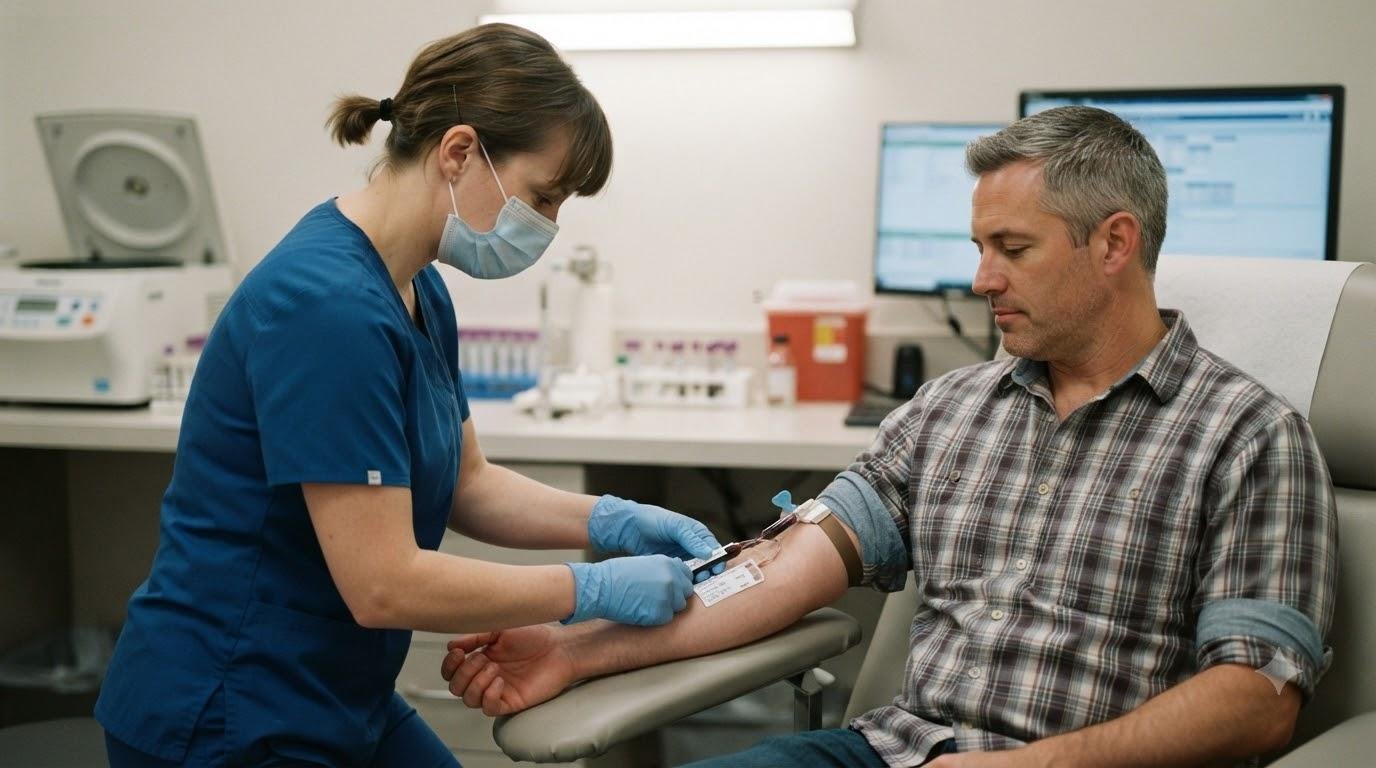
The idea of a trained professional drawing your blood at your kitchen table used to seem like a luxury reserved for the very wealthy. Today, it is a standard service offered by major diagnostic chains across Bangalore, accessible to anyone with a smartphone and a basic health insurance plan. But the shift from visiting a lab to having the lab visit you involves more than just location. It changes the entire pre-analytical environment, the communication dynamic between patient and phlebotomist, and the way results are delivered and interpreted.
Understanding exactly what changes—and what stays the same—when you book a home blood test bangalore service helps you use it intelligently, prepare correctly, and identify the difference between a genuinely professional provider and one that offers convenience without quality.
The Shift in Pre-Analytical Responsibility
In a traditional lab setting, the environment is controlled. The temperature is regulated, the phlebotomy chairs are positioned correctly, the centrifuge is immediately accessible, and a supervisor is often nearby. When the lab comes to your home, most of these environmental controls disappear. The phlebotomist works in whatever space you provide—a sofa, a dining chair, or a bedroom chair with variable lighting.
This shift places a greater proportion of pre-analytical responsibility on both the phlebotomist and the patient. The phlebotomist must carry everything they need in a well-organized kit and adapt to the home environment professionally. The patient must prepare the space and themselves correctly.
What the Phlebotomist's Kit Should Contain
A professional home collection phlebotomist should arrive with a standardized kit that includes:
-
Sterile, single-use needles and vacutainers of the correct sizes
-
The full range of tube types required for the prescribed tests (EDTA, serum separator, citrate, fluoride-oxalate)
-
Alcohol swabs, sterile gauze, and medical tape
-
A tourniquet
-
A biohazard bag for safe disposal of used sharps
-
A temperature-controlled transport box for sample storage
-
A barcode scanner or label printer to tag your samples on-site
-
Their official identification and the lab's service authorization document
If the phlebotomist arrives without a proper transport box, without barcoding capability, or without the correct range of tube types for your prescribed tests, those are immediate red flags. Politely ask to see their kit and verify these basics before allowing the draw.
The Critical Importance of Tube Selection in Home Draws
Most patients assume that blood is blood—once it is drawn, the lab handles the rest. In reality, different tests require blood collected in entirely different tube types, each containing specific additives that preserve and prepare the sample for analysis.
Why the Wrong Tube Invalidates a Test
For example, a Complete Blood Count (CBC) must be collected in a purple or lavender EDTA tube. EDTA prevents blood from clotting, preserving the integrity of red and white blood cells for automated cell counting. If a CBC sample is accidentally collected in a plain red tube (no additive), the blood clots, making the sample completely unusable for cell counting.
Conversely, a coagulation test like PT-INR must be collected in a blue citrate tube with a precise blood-to-citrate ratio of 9:1. Any deviation from this ratio produces an invalid coagulation result that could mislead a doctor managing a patient on blood thinners.
A skilled phlebotomist conducting a home blood test bangalore knows exactly which tubes to pull from their kit based on your test prescription, and they know the correct order of draw to prevent cross-tube contamination of additives. This is knowledge that protects your test accuracy before the sample ever reaches the analyzer.
Home Collection for Specialized Tests: What Is Possible and What Is Not
Patients sometimes assume that home collection is limited to basic tests. In reality, a well-equipped professional home collection service can handle the vast majority of routine and even moderately specialized diagnostic tests.
Tests Commonly Available Through Home Collection
-
Complete Blood Count (CBC) and ESR
-
Comprehensive Metabolic Panels (liver function, kidney function, electrolytes)
-
Lipid Profile and Cardiac Risk Markers
-
Thyroid Function Tests (TSH, T3, T4)
-
Diabetes Monitoring (Fasting Glucose, HbA1c, Post-Prandial Glucose)
-
Hormonal Assays (FSH, LH, Testosterone, Estradiol, Prolactin)
-
Vitamin and Mineral Panels (Vitamin D, Vitamin B12, Iron Studies, Ferritin)
-
Infectious Disease Markers (Dengue NS1, Malaria Antigen, Typhoid Widal, HIV Screening)
-
Autoimmune Markers (ANA, RF, Anti-CCP, Anti-dsDNA)
-
Tumor Markers (PSA, CA-125, CEA, AFP)
Tests That May Require a Lab Visit
Not everything can be reliably processed through home collection. Certain tests require the sample to be processed within minutes of collection—like arterial blood gas (ABG) analysis, where oxygenation values degrade within seconds of exposure to room air. Similarly, tests requiring fresh blood smear preparation under a microscope (for malaria parasite identification or specific platelet morphology studies) ideally need immediate on-site processing.
When booking a home blood test, always confirm with the provider whether your specific specialized tests can be reliably collected at home or whether those particular parameters need an in-lab draw.
Managing Multiple Tests from One Draw
A common scenario is a doctor prescribing six to ten different tests simultaneously—perhaps a full annual health checkup package or a comprehensive workup for a newly diagnosed condition. Managing multiple tests from a single draw requires careful planning to avoid sending the patient through multiple blood draws on the same day.
Requesting Consolidated Collection
Reputable diagnostic services train their phlebotomists to collect all prescribed tests in a single session, using multiple tubes drawn in the correct order. A well-planned single collection is far preferable to a partial collection that forces a second visit the following day.
Before the phlebotomist arrives, organize all your prescriptions and compile a complete list of tests. If different doctors have prescribed tests, consolidate them into one booking to avoid redundant tube draws and minimize your discomfort.
During a home blood test bangalore visit, a professional phlebotomist will sequence the draw correctly—usually starting with the blood culture bottle (if applicable), followed by the coagulation tube, then serum separator, EDTA, and lastly fluoride-oxalate tubes—ensuring no additives cross-contaminate between collections.
The Fasting Verification Problem at Home
In a lab setting, the staff can reasonably observe that you arrived early in the morning and assess your fasting status based on behavioral cues. At home, the phlebotomist relies entirely on your honesty. This is a practical clinical risk that patients often underestimate.
If you accidentally broke your fast—even with a small cup of tea or a single biscuit—and do not disclose it, your fasting glucose and triglyceride readings will be falsely elevated. Your doctor may interpret these elevated readings as early metabolic dysfunction and potentially prescribe medication you do not actually need.
Always be transparent with the phlebotomist about your fasting status. If you realize you accidentally consumed something after booking, reschedule the fasting tests for the following morning rather than proceeding with an incomplete fast. Non-fasting results for fasting tests are not just inaccurate—they are actively misleading.
Digital Report Delivery and What to Check When It Arrives
After your sample is collected and processed, you will receive your reports digitally. Most NABL accredited labs deliver reports within 6 to 12 hours for routine tests, though specialized tests like hormone assays or autoimmune panels may take 24 to 48 hours.
Verifying Report Authenticity
When your digital report arrives, look for the following markers before accepting it as valid:
-
NABL Logo and MC Number: These must appear on every page of the report from an accredited lab.
-
Pathologist's Signature: The report must be authorized by a qualified pathologist, not just a lab technician.
-
Reference Ranges: Age-specific and gender-specific normal ranges should accompany every parameter.
-
Units of Measurement: Different labs sometimes use different units for the same parameter (e.g., mg/dL vs. mmol/L for glucose). Confirm the unit before comparing with older reports from different labs.
-
Critical Value Flags: If any parameter exceeds a critical threshold, the report should clearly flag it. A good lab will also have already called you or your doctor before the digital report arrived.
Recurring Home Collection for Chronic Condition Monitoring
The most powerful application of home blood testing in Bangalore is not for one-time investigations—it is for structured, recurring monitoring of chronic conditions. Patients managing diabetes, hypothyroidism, chronic kidney disease, autoimmune conditions, or cardiovascular risk factors need regular blood monitoring, often every 4 to 12 weeks.
Setting up a recurring home collection schedule with an accredited lab eliminates the logistical barrier that causes patients to skip or delay their monitoring tests. When test adherence improves, medication adjustments become timely, complications are detected earlier, and healthcare costs reduce significantly over the long term.
Many diagnostic providers in Bangalore now offer subscription-style packages for chronic disease monitoring, where you pay a bundled annual price for quarterly or monthly home collections with a predefined test panel. If you or a family member manages a long-term condition, it is worth asking your preferred lab whether such a recurring service arrangement is available.
Frequently Asked Questions
What should I do if the phlebotomist arrives and I feel too unwell to give blood?
Inform the phlebotomist immediately. Most reputable services will not charge a cancellation fee if you are genuinely unwell and cannot proceed with the draw. Reschedule as soon as you are feeling stable enough, and consult your doctor if your symptoms are worsening—they may need updated tests urgently.
Can I request a specific phlebotomist for repeat home visits?
Some diagnostic services do accommodate this request, particularly for elderly patients or those with difficult veins who have had a positive experience with a specific technician. You can mention this preference while booking. It is not guaranteed, but established providers with large home collection teams will try to accommodate continuity when possible.
How do I store my sample if the phlebotomist is delayed in pickup?
You should not attempt to store collected blood samples yourself. Blood collection should only be scheduled when the phlebotomist is coming directly to your home for collection and immediate transport. Never collect a sample into a tube yourself and store it in a refrigerator—home-collected samples without controlled centrifugation and proper tube handling will degrade rapidly and produce unreliable results.
Is it possible to track where my sample is after collection?
Some advanced diagnostic services now offer sample tracking features in their apps, similar to a courier service. You can see when your sample was received at the processing hub, when testing began, and when the report was authorized. If your provider does not offer tracking, you can call their customer service line with your barcode number to get a status update on your sample.

 Arabic
 French
 Spanish
 Portuguese
 Deutsch
 Turkish
 Dutch
 Italiano
 Russian
 Romaian
 Portuguese (Brazil)
 Greek