


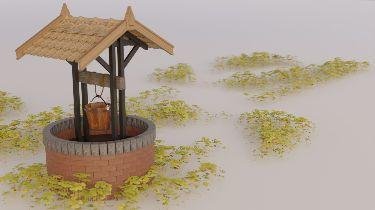
Designing an environmental well is a process that demands careful thought. Every site presents unique geological, chemical, and regulatory conditions. These conditions directly influence how a well must be constructed. Getting the design wrong can compromise data quality and regulatory compliance. Understanding the key factors helps project managers and environmental professionals make better decisions.
The Role of Site Geology in Well Design
Geology is arguably the most influential factor in environmental well design. The type of soil and rock present determines what drilling methods can be used. Soft unconsolidated formations like sand and silt allow hollow-stem auger drilling. Hard bedrock requires rotary percussion or other specialized methods. The geological profile also determines borehole stability and the risk of collapse during installation.
Stratified geological conditions require special consideration in well design. When multiple soil layers exist, each with different permeability, selecting screen depth becomes critical. The screen must intersect the specific zone being monitored. If the screen spans too many geological layers, samples may not represent target conditions. A carefully matched screen interval prevents mixing of water from different hydrogeological units.
Fractured rock formations add another layer of complexity to well design. Water and contaminants can travel rapidly along fractures and faults. Wells installed in fractured rock must be oriented to intercept those pathways. Borehole geophysical surveys help identify fracture locations before well installation. Neglecting fracture characterization in hard rock settings leads to wells that miss contamination entirely.
Groundwater Depth and Flow Direction
The depth to groundwater significantly affects well construction specifications. Shallow water tables allow shorter casings and less expensive installations. Deeper water tables require longer casings, more grout, and more drilling time. Knowing the seasonal variation in water table depth is equally important. A well screened too high may go dry during dry seasons, limiting sampling opportunities.
Groundwater flow direction influences where monitoring wells should be placed. Upgradient wells capture background water quality unaffected by contamination. Downgradient wells detect contamination that has migrated away from source areas. Crossgradient wells help define the lateral extent of a contaminant plume. Using all three placements together gives the most complete picture of site conditions.
Contaminant Type and Its Influence on Design
The type of contaminant expected at a site shapes many design decisions. Light non-aqueous phase liquids like petroleum float at or near the water table. Dense non-aqueous phase liquids like chlorinated solvents sink to the bottom of aquifers. Dissolved phase contaminants travel within the groundwater itself. Each contaminant behavior requires screen placement at a different vertical position in the subsurface.
Highly volatile contaminants require specific casing materials to prevent off-gassing. Stainless steel casings are preferred for sites with petroleum hydrocarbon contamination. PVC casings may sorb certain organic compounds and affect sample quality. The choice of casing material must reflect both chemical compatibility and structural requirements. Ignoring this factor can introduce bias into groundwater data over time.
Regulatory and Project Requirements
Local environmental regulations specify minimum design standards for monitoring wells. These standards cover casing diameters, grout composition, and screen slot sizes. Some jurisdictions require specific materials to be used in sensitive aquifer zones. Regulatory compliance is non-negotiable and must be addressed in the design phase. Failing to meet regulatory standards can result in well rejection and costly reinstallation.
The purpose of the well also influences design choices. A well intended for long-term compliance monitoring needs robust materials and a secure surface completion. A temporary well used only for site characterization may have simpler specifications. Wells used for remediation system performance monitoring may require larger diameters for pump installation. Matching design specifications to the intended monitoring function improves both performance and cost efficiency.
Well Diameter and Screen Selection
Well diameter affects both sampling capability and installation cost. Narrow wells of one to two inches are sufficient for water quality sampling in many contexts. Larger diameter wells are needed when pump-based sampling methods are required. Diameter also affects the volume of water that must be purged before sampling begins. Choosing an appropriate diameter balances cost, function, and sampling practicality.
The slot size of the well screen must be matched to the surrounding filter pack. Filter pack grain size is in turn matched to the native formation material. A screen with slots too large allows sand to enter and clog the well. A screen with slots too small restricts water entry and produces low-yield samples. This careful matching of screen, pack, and formation is fundamental to well performance.
The practice of environmental well drilling must account for all these interacting design factors to achieve reliable monitoring outcomes.
Experienced professionals integrate geological, chemical, and regulatory information during design. They balance competing demands to produce a well that serves its purpose reliably. A well that is over-engineered wastes project resources unnecessarily. A well that is under-designed produces poor data or fails prematurely. Sound design judgment built on site-specific knowledge is the foundation of effective environmental monitoring.
Surface Completion and Well Protection
Surface completions protect wells from vandalism, flooding, and unauthorized access. Flush-mount well covers allow installations in traffic areas without creating trip hazards. Protective steel casings and locks prevent tampering with monitoring well infrastructure. Concrete pads around well heads prevent surface water from infiltrating near the casing. A well that is physically compromised at the surface cannot produce reliable subsurface data.
In agricultural or industrial areas, surface completions must be especially robust. Heavy equipment can damage poorly protected wells during routine field operations. Bollards or protective barriers around well heads reduce the risk of accidental damage. Regular inspection of surface completions should be included in monitoring program maintenance schedules. Protecting the physical integrity of the well protects the integrity of all future data.
Annular Grouting and Seal Design
Grouting the annular space between the casing and borehole wall is critical for well integrity. Grout seals prevent surface water from travelling down the borehole and contaminating samples. Improper grouting can also allow cross-contamination between aquifer zones at different depths. Bentonite and cement grouts are the most common materials used in annular sealing. Selection between them depends on site conditions, depth, and regulatory preferences.
Grouting must be placed from the bottom of the annular space upward to ensure continuity. This is typically accomplished by tremie pipe installation, which avoids air pockets. Air pockets in the grout allow water bypass channels to form over time. A continuous, well-placed grout seal is as important to data quality as the screen and casing materials. Proper grouting documentation is required by most regulatory agencies during well installation.
Long-Term Performance Considerations
Environmental monitoring wells must often perform reliably for many years or decades. Design choices that favor long-term durability over short-term cost savings are usually wiser. Stainless steel components resist corrosion better than galvanized alternatives in aggressive chemical environments. Properly placed sand pack preserves screen performance even as fine particles migrate over time. Regular well maintenance programs extend useful life and maintain data quality throughout monitoring periods.
Biological and chemical fouling can reduce well performance over time at some sites. Iron-oxidizing bacteria create deposits that restrict water flow through screens. Carbonate and mineral scale can clog both screens and filter packs. Well redevelopment through surging or jetting removes fouling deposits and restores performance. Planning for periodic maintenance from the outset is a hallmark of thoughtful well design.

 English
 Arabic
 French
 Spanish
 Portuguese
 Deutsch
 Turkish
 Dutch
Dutch
 Italiano
 Russian
 Romaian
 Portuguese (Brazil)