


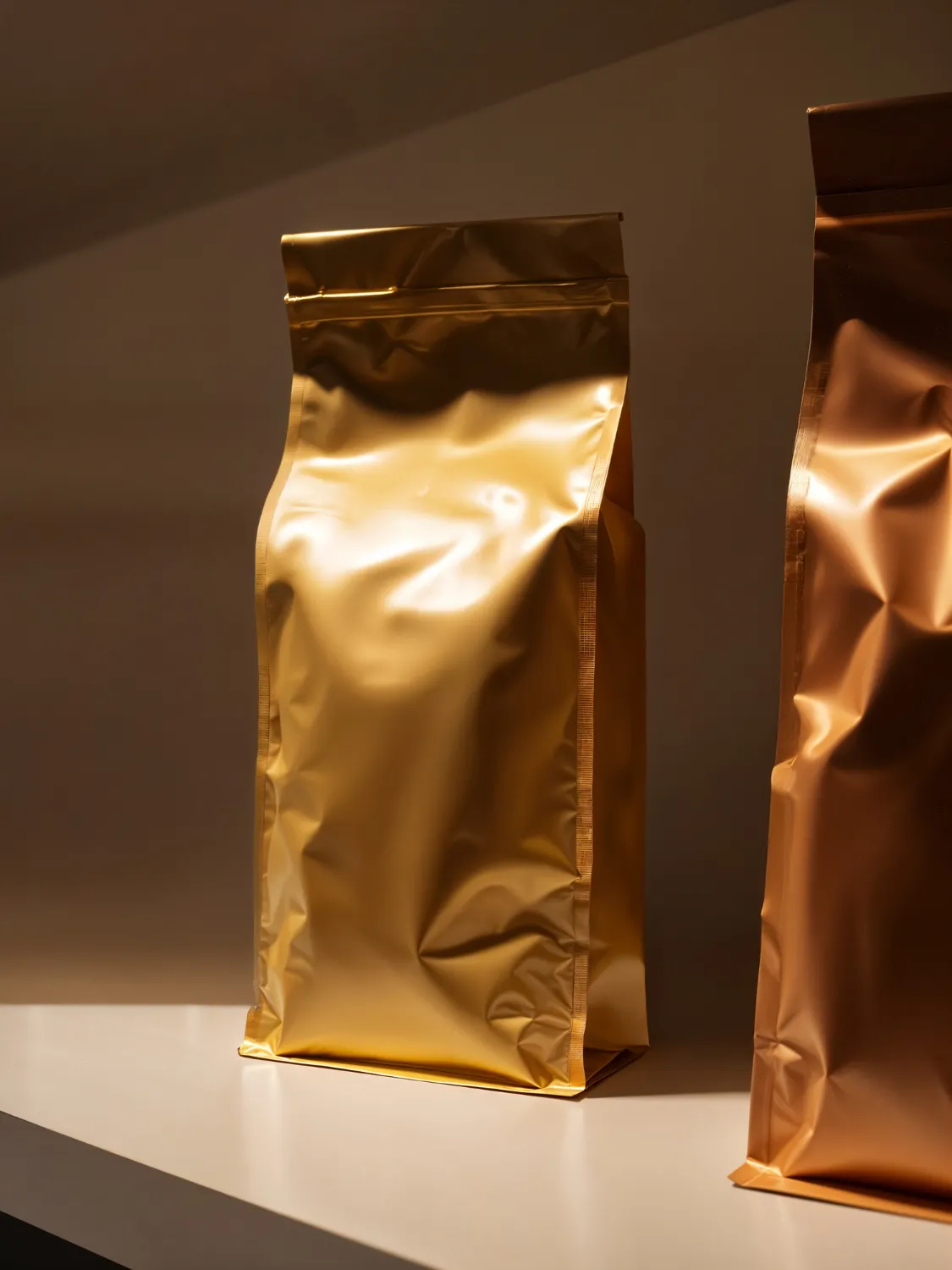
Everything a vape or e-liquid brand needs to know about vape mylar bags, including materials, child-resistant options, costs, and compliance.
If you sell vape products, e-liquid, or vape cartridges, the bag your product ships in does more work than most brands realize. Vape mylar bags protect against moisture, light, and oxygen, all three of which break down flavor and shorten shelf life fast. Suppliers such as Mylar Bag Factory build these pouches specifically for that job, and getting the material and construction right can be the difference between a product that stays fresh for months and one that starts tasting off within weeks. This guide covers the materials, the process of ordering custom bags, real cost ranges, and how to choose a supplier who understands what vape products actually need.
Why Vape Brands Rely on Mylar Bags Instead of Plain Plastic
Standard plastic pouches let in more oxygen and moisture than most brands expect, and that slowly degrades e-liquid flavor and vape cartridge oil quality. Mylar, technically a metallized polyester film often labeled BoPET film, forms a much tighter barrier against air, light, and humidity than single-layer plastic ever will.
That barrier matters because vape products are sensitive to heat and UV exposure in a way that a lot of packaging buyers underestimate. A pouch that blocks light keeps cannabinoid and nicotine content more stable during shipping and storage, which protects both the product and the brand's reputation for consistency.
There is a compliance angle too. In the United States, liquid nicotine containers sold or imported into the country must use child-resistant special packaging under the Child Nicotine Poisoning Prevention Act, a law the Consumer Product Safety Commission enforces through its child-resistant packaging standards. That rule has applied since July 2016, and it pushed a lot of e-liquid brands toward pouches with built-in child-resistant zippers instead of standard bottles alone.
Types of Vape Mylar Bags and Where Each One Fits
Not every vape mylar bag is built the same way, and picking the wrong finish or closure creates problems later. Matte-finish bags photograph well for online listings and hide fingerprints, while glossy finishes make colors pop on a retail shelf but show smudges faster.
Flat pouches work fine for lightweight items like disposable pods, but stand-up pouches with a gusseted base give cartridges and bottles better shelf presence and a sturdier footprint. Custom printed mylar bags with a resealable zipper are the standard choice for most e-liquid and vape cartridge packaging, since customers reopen and reseal the bag between uses.
Child-resistant vape packaging bags add a press-and-turn or push-lock zipper that meets the CPSC testing protocol, and these matter most for any bag holding accessible liquid nicotine rather than a sealed, pre-filled cartridge.
| Bag Type | Barrier Protection | Child-Resistant Option | Best For | Typical Cost Range (per 1,000 units) |
| Flat pouch, standard zipper | Good | No | Disposable pods, small accessories | $180 – $320 |
| Stand-up pouch, gusseted base | Very good | Optional | Cartridges, bottled e-liquid | $260 – $450 |
| Child-resistant zipper pouch | Very good | Yes | Liquid nicotine, refill bottles | $340 – $600 |
| Foil-lined flat pouch | Excellent | No | Dry herb vape products | $220 – $380 |
How Custom Vape Mylar Bags Actually Get Made
A custom order usually starts with a design file review, where the printer checks your artwork against the bag size and flags anything that will not print cleanly, like text placed too close to a fold line. From there, the supplier confirms material thickness, typically measured in mil, along with the finish and any add-ons like a tear notch or hang hole.
Printing on flexible film runs through a rotogravure or digital press depending on order size, and a proof usually goes out before the full run starts. Once the design is locked, the bags get cut, sealed, and, if you ordered them, fitted with a child-resistant zipper that gets tested against the CPSC's child-resistant and senior-friendly standard before the batch ships.
A brand launching a new line of disposable vape pods, for example, might order a small proof run of 500 flat pouches first, test them for seal strength and print accuracy, then place a larger stand-up pouch order once the packaging holds up through a shipping test.
Cost Factors for Vape Mylar Bag Packaging
Price per bag drops fast as order volume goes up, so a run of 500 units can cost two or three times more per bag than a run of 10,000. Bag size and gusset depth change material usage directly, and a wider stand-up pouch simply needs more film than a small flat pouch.
Print complexity plays a real role in the final quote. A design with four or five spot colors and fine detail costs more to set up than a simple one- or two-color print, since it needs more plates or a longer digital press run. Add-ons push the price up too: a child-resistant zipper, a tear notch, a matte soft-touch coating, or a clear window each add a small amount per unit that stacks up across a large order.
Turnaround time affects cost as well. Rush production inside two weeks usually carries a premium over a standard four to six week lead time, so ordering ahead of a product launch saves money along with stress.
Choosing a Vape Mylar Bags Supplier You Can Trust
Ask any supplier for a physical sample before committing to a full order, since photos never show true film thickness, zipper strength, or print sharpness. A supplier confident in their work will send a small sample kit without much friction.
Check whether they can produce child-resistant zippers that meet the CPSC's testing protocol, since not every flexible packaging printer carries that capability in-house. Suppliers who work specifically with vape and e-liquid brands, the way Mylar Bag Factory does, tend to already know the barrier film thickness that holds up against nicotine and cannabinoid exposure over time, rather than defaulting to a generic snack-food pouch spec built for a different kind of product.
Ask about minimum order quantities too. A general packaging printer that mostly handles food brands might set a minimum too high for a smaller vape line just getting started, while a supplier focused on this category often offers a lower entry point built around the order sizes vape brands actually place.
A packaging engineer who consults for flexible pouch manufacturers put it plainly: the biggest mistake new brands make is choosing a bag based on price alone, then finding out three months later that the seal failed or the print faded. Get a real sample tested under the conditions your product will actually face, whether that means a hot delivery van or a long stretch on a store shelf.
Conclusion
Getting vape mylar bags for product packaging storage and protection right up front saves you reprint costs, customer complaints, and product that goes stale before it ever reaches a customer. Start with the barrier and closure your product actually needs, get a real sample in hand, then scale the order once you know it holds up.
If you want a straightforward quote and a sample kit before committing to a full production run, reach out to Mylar Bag Factory to walk through sizing, film thickness, and whether your product needs a child-resistant closure. There is no pressure to decide on the spot, just a clear breakdown of what fits your product and your budget.
Frequently Asked Questions
What makes vape mylar bags better than plastic pouches for e-liquid?
Mylar film blocks oxygen, moisture, and light far more effectively than standard plastic, which slows flavor degradation and keeps nicotine or cannabinoid content stable for longer during storage and shipping.
Do vape mylar bags need to be child-resistant by law?
In the United States, any package holding accessible liquid nicotine must meet child-resistant packaging standards under the Child Nicotine Poisoning Prevention Act. Sealed, pre-filled cartridges that do not expose liquid during normal use are generally exempt.
How much do custom vape mylar bags cost per unit?
Pricing usually runs from around $0.18 to $0.60 per bag depending on size, print complexity, and whether a child-resistant zipper is included, with larger orders bringing the per-unit price down significantly.
What size mylar bag works best for vape cartridges?
Most vape cartridge packaging uses a small flat or stand-up pouch between 3x5 inches and 4x6 inches, sized to hold the cartridge securely without excess empty space that lets the product shift during shipping.
Can vape mylar bags include the FDA nicotine warning label?
Yes, printed mylar bags can include the required warning statement directly in the design, and most suppliers will leave space for it if you confirm the wording and placement before the print run is finalized.

 English
 Arabic
 French
 Spanish
 Portuguese
 Deutsch
 Dutch
Dutch
 Italiano
 Russian
 Romaian
 Portuguese (Brazil)
 Greek
Greek