


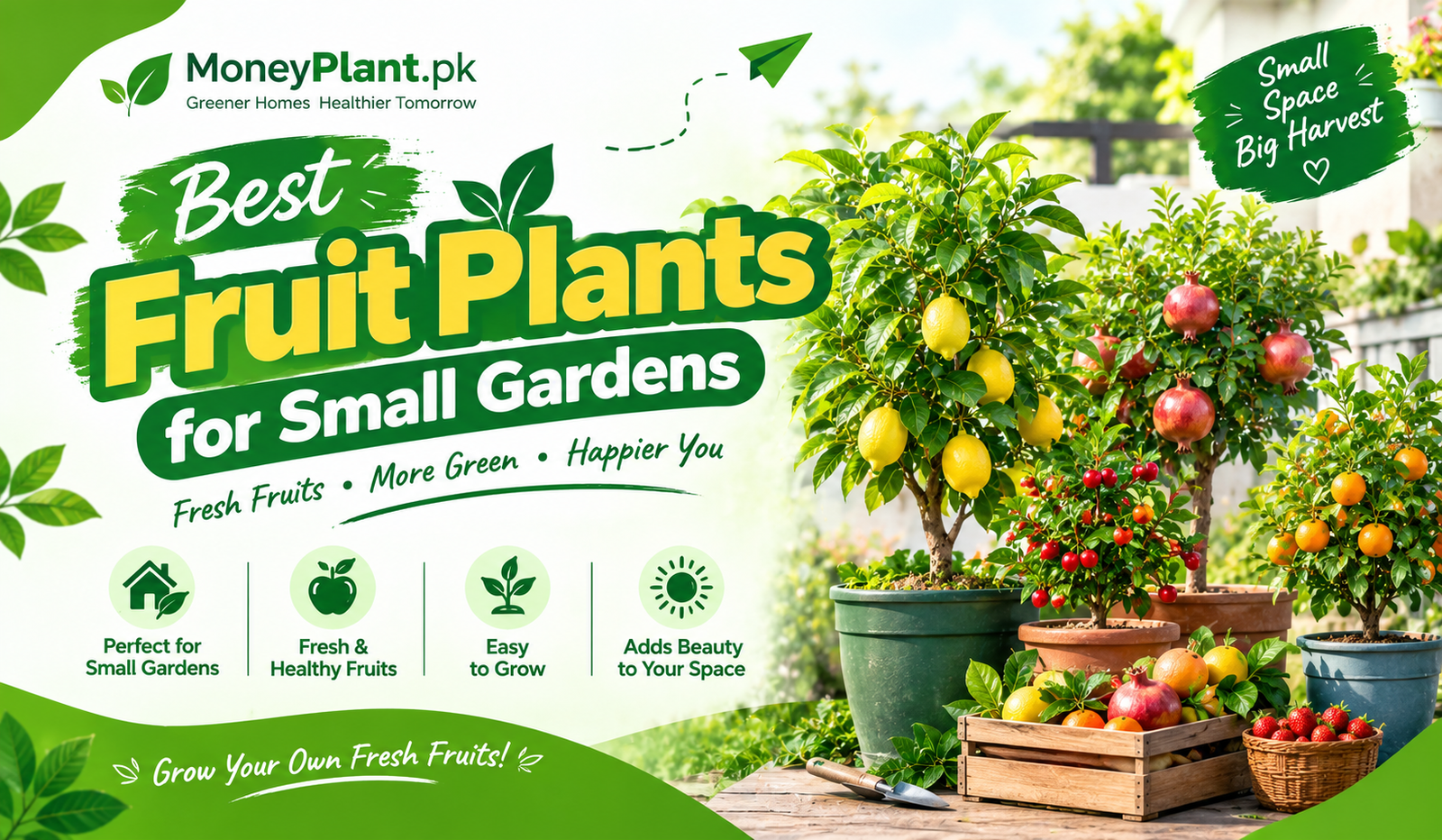
Think you need a huge backyard to grow your own fruit? You don't. I've seen tiny balconies and small backyard corners turn into little fruit gardens that produce more than you'd expect. All it takes is picking the right plants and giving them a bit of love.
In this guide, I'll walk you through the best fruit plants for small gardens, how to pick the right ones for your space, and simple tips to help them thrive. Whether you've got a small backyard, a patio, or just a sunny balcony, there's a fruit plant out there for you.
Best Fruit Plants for Small Gardens
If you've been searching for the best fruit plants for small gardens, you probably already know the struggle. Most fruit trees look huge in your head, and you assume you just don't have the room. But that's not true anymore. Plant breeders have spent years developing compact and dwarf fruit trees that fit perfectly into small spaces without giving up on flavor or yield.
The trick is knowing which fruit plants actually stay small, which ones can live happily in containers, and which ones need a bit more room to breathe. Let's break it all down so you can pick with confidence.
Why Grow Fruit Plants in a Small Garden
Growing your own fruit isn't just about saving a trip to the store. There's something satisfying about walking outside and picking something you grew yourself. It tastes better, it's fresher, and you know exactly what went into growing it.
Small space fruit gardening is also great for the environment. Fewer trips to the store, less packaging, and you're adding a bit of green to your home. Plus, fruit plants often double as decoration. Blossoms in spring, colorful fruit in summer or fall, it's a nice bonus on top of the harvest.
Things to Think About Before Choosing Fruit Plants
Before you grab the first fruit plant you see at the nursery, it helps to think through a few basics. This saves you time, money, and disappointment later.
Available Space and Sunlight
Most fruit plants need at least six hours of direct sunlight a day. Before buying anything, take a look at your garden or balcony and figure out where the sun actually hits throughout the day. If you're short on ground space, container gardening opens up a lot of options, since many dwarf fruit trees do just fine in pots.
Your Local Climate
Not every fruit plant grows everywhere. Some love heat, some prefer cooler weather, and some need a bit of winter chill to produce fruit properly. Check what grows well in your area before falling in love with a particular plant. A quick chat with a local nursery or garden center can save you a lot of guesswork.
Top Fruit Plants for Small Gardens
Now for the fun part. Here are some of the most reliable, compact fruit plants that work beautifully in small gardens.
| Fruit Plant | Space Needed | Sun Requirement | Harvest Time |
| Dwarf Lemon | Container or small bed | Full sun | Year-round |
| Fig Tree (Dwarf) | 4-6 feet | Full sun | Summer to fall |
| Strawberries | Small beds, pots, hanging baskets | Full sun | Spring to summer |
| Pomegranate (Dwarf) | Container or small bed | Full sun | Fall |
| Blueberry Bush | Container or small bed | Full to partial sun | Summer |
Each of these fruit plants brings something different to the table. Strawberries are perfect if you want fast results, since they can produce fruit within the same season. Dwarf fig trees, on the other hand, take a bit longer but reward you with rich, sweet fruit that's hard to find fresh in stores.
Best Container-Friendly Fruit Plants
If your garden space is really tight, or you're working with just a patio or balcony, container gardening is your best friend. These fruit plants are specifically known for doing well in pots without needing a ton of room to spread out.
| Container Fruit Plant | Pot Size Needed | Fruiting Time | Special Notes |
| Dwarf Citrus | 15-20 inches | Year-round | Bring indoors in cold climates |
| Cherry Tomato (technically a fruit) | 10-14 inches | Summer | Fast growing, beginner friendly |
| Dwarf Pomegranate | 15-20 inches | Fall | Needs full sun |
| Bush Cherries | 12-18 inches | Early summer | Cold hardy |
| Compact Blackberry | 14-18 inches | Summer | Thornless varieties available |
Container-friendly fruit plants are a fantastic option if you move often or rent your home, since you can take your little fruit garden with you when you go.
How to Plant Fruit Trees in Small Spaces
Once you've picked your fruit plants, the next step is getting them into the ground or into a pot the right way. This part isn't complicated, but doing it properly makes a big difference down the road.
Preparing the Soil
Good soil is the foundation of healthy fruit plants. Loosen the soil before planting and mix in some compost to improve drainage and nutrition. If you're using containers, choose a well-draining potting mix rather than regular garden soil, since garden soil tends to compact too much in pots.
Spacing and Planting Tips
Even small fruit trees need a bit of breathing room. Dwarf varieties usually do fine with about four to six feet of space between them if you're planting more than one. For containers, pick a pot that's at least 15 to 20 inches wide, and make sure it has good drainage holes so water doesn't sit at the bottom.
Caring for Fruit Plants in Small Gardens
Once your fruit plants are in the ground or in pots, ongoing care keeps them healthy and productive.
Watering Routine
Young plants need consistent watering, usually a couple of times a week, until their roots are established. Mature plants generally need less frequent watering but should be watered deeply so moisture reaches the roots. Container plants dry out faster than ones in the ground, so keep a closer eye on them, especially during hot weather.
Pruning and Maintenance
Pruning keeps your fruit plants compact and encourages better fruit production. Remove dead or crossing branches, and trim back growth that's getting too tall or wide for your space. Late winter is usually the best time for major pruning, right before new growth starts.
Feeding Your Plants
A balanced fertilizer applied in early spring gives your fruit plants the nutrients they need for the growing season. Container plants especially benefit from regular feeding since nutrients wash out of pots faster than garden soil.
Common Problems and How to Handle Them
Even small space fruit gardening comes with a few challenges. Pests like aphids and spider mites can show up on new growth, but a simple spray of neem oil usually takes care of them. Overwatering is another common issue, especially with container plants, so always check that your pots have good drainage.
Fungal problems can pop up in overly damp conditions, so keeping the area around your plants clean and avoiding wet leaves overnight goes a long way in preventing disease.
Harvesting Fruit from Your Small Garden
Timing your harvest right makes a big difference in flavor. Most fruit plants show clear signs when they're ready, whether that's color change, a slight softness, or an easy release from the branch. Strawberries and cherries are best picked as soon as they're ripe, while citrus and pomegranates can often hang on the plant a bit longer without losing quality.
Once harvested, enjoy your fruit fresh, or store it properly to make it last. Many small-garden fruits, like berries, are best eaten within a few days, while citrus and pomegranates can be stored for weeks in a cool spot.
Where to Buy Quality Fruit Plants
Getting your fruit plants from a trustworthy source matters just as much as choosing the right variety. If you're in Pakistan and looking for healthy, well-grown fruit plants suited for small gardens, moneyplant.pk is a great place to start. They offer a solid range of dwarf and container-friendly fruit plants, along with helpful guidance for beginners just getting into gardening.
Buying from a reliable nursery like moneyplant.pk means your plants are more likely to already be acclimated and healthy, which gives you a much better chance of success right from the start.
Final Thoughts
You really don't need a big backyard to enjoy homegrown fruit. With the right fruit plants for small gardens, a bit of sunlight, and some basic care, you can turn even the tiniest space into a productive little garden. Start with one or two plants, get comfortable with the basics, and expand from there.
Whether it's a dwarf lemon tree on your balcony or a strawberry patch by your door, growing your own fruit is one of those simple joys that makes a small garden feel a whole lot bigger.

 English
 Arabic
 French
 Spanish
 Portuguese
 Deutsch
 Turkish
 Dutch
Dutch
 Italiano
 Russian
 Romaian
 Greek
Greek