


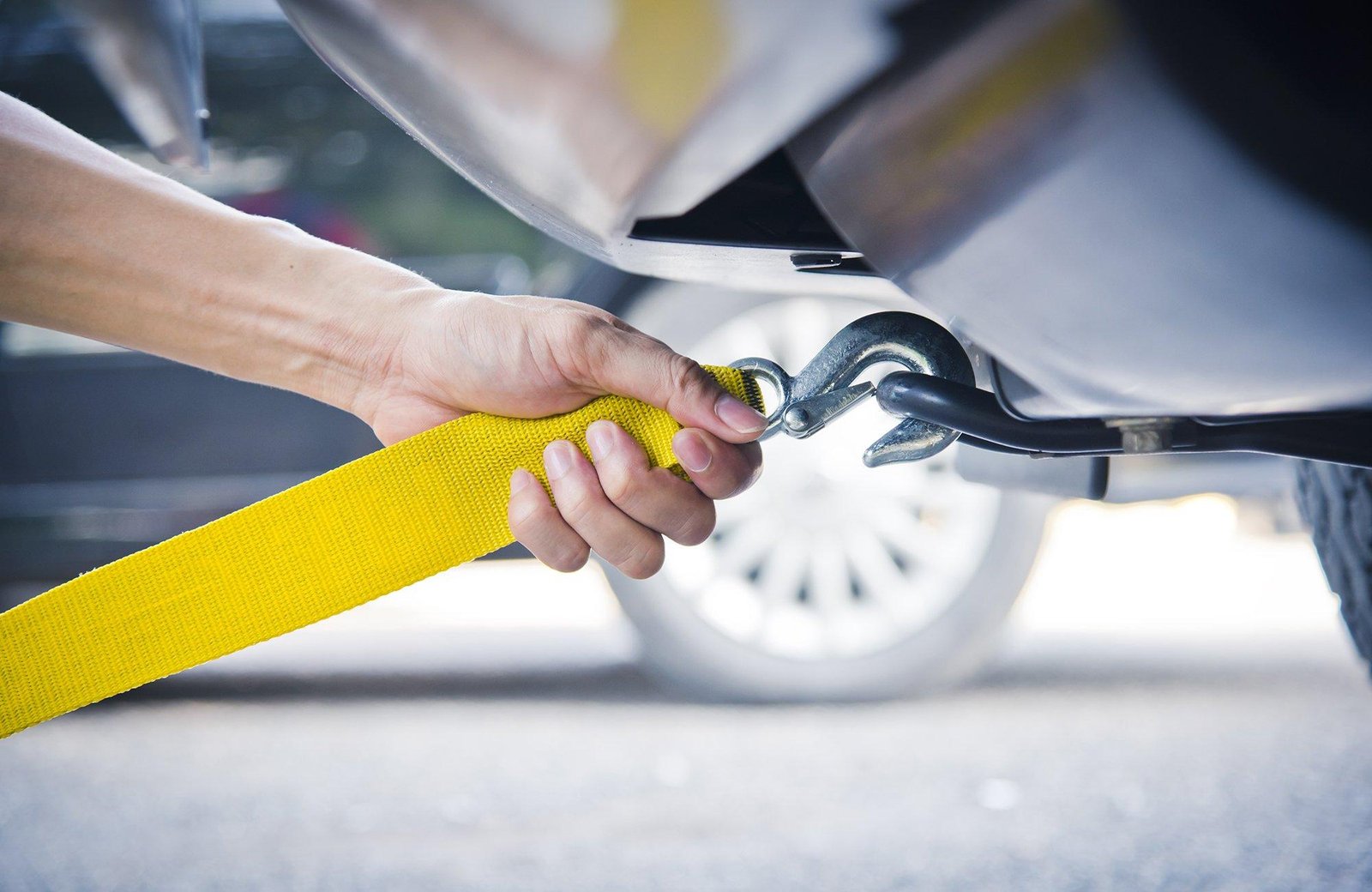
A Complete Guide to Safe and Reliable Vehicle Recovery
When a vehicle breaks down unexpectedly, knowing how to arrange safe transportation can make a stressful situation much easier to manage. Whether your car has suffered an engine problem, a flat battery, a puncture, accident damage, or another mechanical issue, professional towing can help move the vehicle without creating additional risks.
For motorists searching for car towing (CoventryCV6 4BQ), it is important to understand what a professional towing service involves, when towing is necessary, how to prepare your vehicle, and what information you should provide when requesting assistance. A reliable recovery process is not simply about moving a vehicle from one location to another. It involves assessing the vehicle, selecting appropriate equipment, protecting the car during transportation, and delivering it to a suitable destination.
This guide explains the essential aspects of vehicle towing in Coventry, including common reasons for requesting a tow, what to expect from a professional service, safety considerations, and practical advice for dealing with roadside emergencies.
Understanding Car Towing Services in Coventry
Car towing is designed to transport vehicles that cannot safely or practically continue their journey. Depending on the circumstances, a vehicle may need to be taken to a garage, home address, storage facility, accident repair centre, or another agreed destination.
A professional towing service should focus on safe loading, secure positioning, suitable equipment, and careful transportation. These factors become particularly important when a vehicle has suffered collision damage or has a mechanical problem that prevents normal driving.
When Towing Becomes Necessary
There are many situations where continuing to drive may be unsafe or may cause further damage. For example, a serious engine fault, damaged steering system, overheating problem, transmission failure, or significant accident damage can leave a vehicle unsuitable for normal road use.
In these circumstances, attempting to drive the car to a garage may increase the risk of mechanical damage or create a danger for the driver and other road users. Arranging professional recovery can therefore be a more practical option.
Towing may also be useful when a vehicle has been immobilised in a difficult location. A car parked on a narrow road, outside a property, in a car park, or at the roadside may require specialist equipment to be moved safely.
Towing After a Road Accident
Accidents create additional challenges because vehicles can have hidden structural or mechanical damage. Even if the car appears capable of moving, driving it away from an accident location may not always be appropriate.
A professional recovery operator can assess the visible condition of the vehicle and determine the safest way to load and transport it. Damaged wheels, steering components, bodywork, or suspension parts may require particular care during recovery.
If emergency services are involved, motorists should also follow instructions given by the police or other authorities before arranging transportation.
What to Look for in a Professional Towing Service
Choosing a towing provider should involve more than simply selecting the first number that appears in an online search. Drivers should consider whether the service appears professional, communicates clearly, and can accommodate the type of vehicle and situation involved.
For motorists researching car towing (CoventryCV6 4BQ), it is useful to check several practical details before confirming assistance.
Clear Communication
A professional provider should be able to explain what information is needed to arrange recovery. This may include the vehicle's location, make and model, registration details, type of problem, destination, and whether the vehicle can roll or steer.
Clear communication helps the recovery operator prepare suitable equipment and reduces unnecessary delays.
Appropriate Recovery Equipment
Different vehicles and breakdown situations may require different recovery methods. A small hatchback, large SUV, electric vehicle, commercial van, or heavily damaged car may have different transportation requirements.
Before arranging a tow, provide an accurate description of the vehicle and its condition. If the vehicle has a flat tyre, damaged wheel, accident damage, locked steering, or another issue affecting movement, mention this when making the request.
Professional Handling
The way a vehicle is loaded and secured matters. Incorrect loading can result in damage to tyres, wheels, bodywork, or other components.
A careful recovery process should involve positioning the vehicle correctly and securing it appropriately for transportation. The driver should also be able to explain any precautions required before the journey begins.
How to Prepare for a Tow
A breakdown can happen when you are travelling to work, shopping, visiting family, or driving through an unfamiliar part of Coventry. Taking a few practical steps can make the recovery process more straightforward.
Move to a Safe Location When Possible
If the vehicle can still be moved safely, try to position it away from moving traffic. Turn on the hazard warning lights and follow applicable road-safety procedures.
Do not attempt to move a severely damaged vehicle if doing so could put you or others at risk. Personal safety should always take priority over moving the car.
Provide Accurate Location Information
When requesting car towing (CoventryCV6 4BQ), give the recovery operator as much location information as possible.
A postcode can be useful, but adding the street name, nearby landmark, direction of travel, or identifiable location can make it easier for the operator to find you. If you are on a major road, provide the road name and direction where possible.
If you are in a car park or residential area, mention the entrance, parking level, or nearby landmark when relevant.
Remove Important Personal Items
Before the vehicle is transported, check that valuable personal belongings are not being left inside unnecessarily. Remove important documents, electronic devices, luggage, and other items that you may need during the recovery process.
If removing something is impossible because of the condition of the vehicle, tell the recovery operator.
Common Types of Vehicle Problems Requiring Recovery
Vehicle towing is often associated with serious mechanical failures, but many different problems can result in a car requiring transportation.
Engine and Transmission Problems
A major engine or transmission fault can prevent a vehicle from operating normally. Warning signs may include unusual noises, smoke, loss of power, severe vibrations, or an inability to select gears.
Continuing to drive when a major mechanical problem is present may make the underlying fault worse. Professional recovery can allow the vehicle to reach a garage without adding unnecessary mileage or mechanical stress.
Battery and Starting Problems
A flat battery is one of the most common roadside problems. Sometimes a jump-start can resolve the issue, but this is not always appropriate.
If the battery is damaged, the vehicle has another electrical fault, or repeated starting attempts have failed, transportation to a suitable location may be necessary.
Tyre, Wheel, and Suspension Damage
A damaged tyre can sometimes be replaced at the roadside. However, recovery may be required when there is no usable spare tyre, the wheel itself is damaged, or the vehicle has suffered suspension problems.
Driving on a damaged wheel or severely compromised tyre can create additional risks, particularly at higher speeds.
Choosing a Suitable Destination for Your Vehicle
The destination of the tow is an important part of the recovery arrangement. Depending on the circumstances, the vehicle may need to go to a local garage, dealership, repair centre, home address, or another secure location.
Taking the Vehicle to a Garage
If the vehicle requires mechanical inspection or repair, transporting it directly to a garage can save time. Before arranging the tow, confirm that the garage can receive the vehicle and check its opening arrangements if necessary.
Providing the recovery operator with the correct destination details can help prevent delays.
Taking the Vehicle Home
In some circumstances, taking the car home may be practical, particularly if the vehicle is awaiting a scheduled repair or inspection. However, make sure there is enough safe and legal space for the recovery vehicle to unload it.
Safety Considerations During Vehicle Recovery
Safety should remain central throughout the towing process. Roadside environments can be unpredictable, particularly on busy roads, at night, or during poor weather.
Drivers should remain in a safe position whenever possible and avoid standing unnecessarily close to moving traffic. If the location is dangerous, follow instructions from emergency services or the recovery operator.
A vehicle should also be transported using equipment suitable for its condition. Particular care may be required for vehicles with damaged wheels, low ground clearance, non-standard modifications, or accident-related damage.
Questions to Ask Before Arranging a Tow
Before confirming a towing service, asking a few straightforward questions can help avoid misunderstandings.
What Information Should You Provide?
Be prepared to explain:
-
Your exact or approximate location
-
Vehicle make and model
-
Registration details
-
Nature of the breakdown or damage
-
Whether the vehicle starts
-
Whether the wheels and steering work
-
Intended destination
-
Any unusual access restrictions
The more accurate the information, the easier it is for the operator to understand what type of recovery may be required.
What Should You Confirm?
Ask about the expected process, destination arrangements, and any relevant charges before proceeding. If the vehicle is at an awkward location, explain the access conditions in advance.
For example, a vehicle parked in an underground car park may have height restrictions, while a car on a narrow residential road may require careful positioning of the recovery vehicle.
Why Local Knowledge Can Matter
Coventry includes a mixture of residential streets, commercial areas, major roads, car parks, and surrounding routes. Local knowledge can be useful when a vehicle needs to be located and transported efficiently.
For people searching for car towing (CoventryCV6 4BQ), providing a precise location remains important even when the recovery provider operates locally. Postcodes identify an area, but additional information can help the operator reach the exact vehicle more efficiently.
Local recovery services may also be familiar with common access challenges, traffic conditions, and nearby repair destinations. However, motorists should always confirm the provider's current availability and the specific service required rather than assuming every towing operator can handle every situation.
Practical Advice for Future Breakdowns
A little preparation can make an unexpected vehicle problem less stressful. Keep your breakdown provider's contact information accessible, maintain basic vehicle checks, and make sure you know how to activate your hazard warning lights.
It is also useful to keep a charged mobile phone available and know the vehicle's registration and location details. Regular servicing and tyre inspections can help identify some problems before they become roadside emergencies, although no vehicle is completely immune from unexpected faults.
Keep Essential Details Accessible
Having your vehicle registration, insurance information, and preferred repair destination available can save time when arranging assistance.
If you regularly travel through Coventry or nearby areas, saving a reputable recovery contact in your phone can also be helpful. First Recovery Car & Van Breakdown Services can be considered when researching local recovery options, while drivers should still confirm the exact service and availability needed for their individual situation.
Avoid Unnecessary Risks
If your vehicle develops a serious fault, do not attempt a repair that you are not qualified or equipped to perform. Similarly, avoid pushing a vehicle into traffic or attempting to drive it when steering, braking, tyres, or other safety-critical components are compromised.
The safest approach is usually to move to a secure position if possible and arrange suitable professional assistance.
Frequently Asked Questions About Car Towing
Can a damaged car be towed?
Yes, damaged vehicles can often be transported, but the recovery method depends on the type and severity of damage. Information about damaged wheels, steering, suspension, bodywork, and the vehicle's ability to roll should be provided before recovery is arranged.
Can a vehicle be towed from a residential street?
In many situations, yes. However, access, parking conditions, road width, traffic, and the position of the vehicle can affect the recovery process. Providing accurate location details helps the operator assess the situation.
Should I drive a vehicle after a serious breakdown?
Driving may be inappropriate when the vehicle has serious mechanical, electrical, tyre, steering, braking, or accident-related problems. If continuing to drive could create a safety risk or cause further damage, professional recovery should be considered.
What should I do while waiting for recovery?
Move to a safe location where possible, use hazard lights when appropriate, keep away from moving traffic, and provide the recovery operator with accurate location information. Follow instructions from emergency services if they are present.
Final Thoughts
Reliable vehicle recovery is about more than simply transporting a car. It involves safe decision-making, accurate communication, suitable equipment, careful loading, and responsible handling from the roadside location to the final destination. Understanding these factors can help motorists respond calmly when an unexpected breakdown or accident occurs.
For anyone researching car towing (CoventryCV6 4BQ), the most useful approach is to choose a service based on clear communication, appropriate recovery capabilities, professional handling, and transparent arrangements. Preparing essential vehicle information in advance can also make the process smoother. When local assistance is required, First Recovery Car & Van Breakdown Services is a provider motorists can research and contact to discuss their particular towing or breakdown recovery requirements.

 English
 French
 Spanish
 Portuguese
 Deutsch
 Turkish
 Dutch
 Italiano
 Russian
 Romaian
 Portuguese (Brazil)
 Greek