


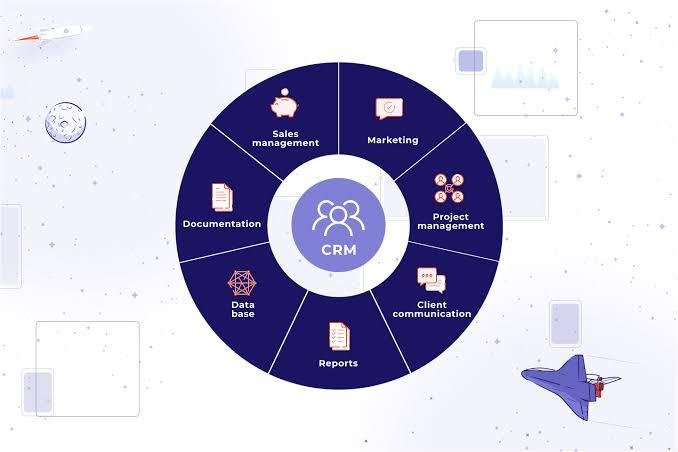
A founder can remember the last conversation with five prospects. Remembering who promised an introduction, which trial is blocked, and when thirty prospects expect a reply is harder. The first job of a CRM is to preserve that context and make the next useful action visible without becoming another demanding project. Start with the sales process you actually have. Begin with relevant records, clearly defined stages, and reliable follow up. Add complexity when a recurring decision needs information the current setup cannot provide, rather than designing a future enterprise sales organization before a workflow exists.
Define What Counts as an Opportunity
Separate people who have interacted with the business from prospects pursuing a real buying conversation. A newsletter subscriber, a free user, and a company evaluating a paid contract do not necessarily belong in the same sales pipeline. Decide what evidence justifies creating an opportunity. Searches for best crm for b2b saas companies 2025 2026 can help identify products to investigate, but the date labels do not determine your requirements. Test whether the candidate makes your own qualification decision easy to record. You should be able to explain why a prospect belongs in the pipeline and what would move the conversation forward.
Keep People and Companies Connected
Record the company separately from the people involved where the CRM supports that model. Link a founder, technical evaluator, and purchasing contact to the same account rather than creating three unrelated opportunities because three email addresses appeared in your inbox. Use enough information to recognize the company and its need. Include the main contact, use case, relevant product workspace where available, and responsible owner. Avoid collecting personal details that do not help the business relationship. A record that is maintained is more useful than a form with guesses.
Choose a Few Observable Stages
Build stages around evidence from the buying process. An initial conversation, an agreed evaluation, a commercial discussion, and a completed decision can form a simple starting structure. Define what must be true before an opportunity enters each stage. Avoid stages that merely describe how optimistic you feel. Interested can mean anything from a polite reply to a serious project. A stage should help you decide what action is needed and explain the status to another person without requiring them to reconstruct every email in the conversation.
Make the Next Action Mandatory in Practice
For every active opportunity, record the next action, responsible person, and expected date. A task such as send the promised integration example is more useful than follow up. It reminds you what the prospect needs and helps you write a relevant message when the time comes. Review overdue and upcoming actions at a regular point in the week. If no sensible next step exists, clarify the opportunity or close it with an appropriate reason. Leaving every quiet conversation open can make the pipeline look larger while hiding the prospects who genuinely need attention now.
Capture Conversations Selectively
Keep a concise account of the problem, desired outcome, constraints, and commitments after a meaningful call. Preserve the prospect's wording where it helps explain their need, but distinguish their statement from your interpretation. Record unanswered questions so the next conversation builds on what is already known. A useful saas crm should make these notes easy to retrieve beside the opportunity. Connect email or calendar tools only after checking the relevant sharing and logging settings. You want the business context available to authorized teammates without indiscriminately copying private or unrelated conversations into a shared record.
Add Product and Billing Context Carefully
If trials are part of the sales motion, include the workspace identifier and a small number of useful milestones. A completed setup or invited teammate may explain progress better than a raw login count. Choose signals related to the product's value and define them consistently. Keep billing facts tied to the authoritative system. An agreed contract, active subscription, and successfully collected payment can represent different states. Show the distinction when it affects the next action, rather than allowing a manually updated deal stage to become the only record of whether the customer has actually paid.
Review Before Adding Automation
Run the process manually long enough to identify repeated work. Then automate a narrow task, such as creating a reminder after a defined stage change, and inspect the result. Avoid building a complicated sequence around a process whose stages and responsibilities are still changing daily. A founder's CRM becomes valuable when it preserves useful context and reliably surfaces the next conversation or commitment. Keep records understandable, stages evidence based, and tasks specific. The setup should help you learn from customers and move legitimate opportunities forward while leaving enough time to build and support the product those customers are evaluating.

 Arabic
 French
 Spanish
 Portuguese
 Deutsch
 Turkish
 Dutch
 Italiano
 Russian
 Romaian
 Portuguese (Brazil)
 Greek