


A weld that looks clean on the surface can still fail under load if the underlying engineering was never verified. That gap between "looks finished" and "engineered to perform" is exactly what advanced fabrication engineering is meant to close, and it is becoming a bigger differentiator among UAE manufacturers as clients demand documentation, not just a finished product. This article explains what the discipline actually covers and why it matters for anyone sourcing structural or mechanical components.
What Sets Advanced Fabrication Engineering Apart From Basic Fabrication
Basic fabrication combines cutting, bending, and welding to produce a part that matches a drawing. This engineering-driven approach adds an analytical layer on top of that: structural calculations, material verification, and weld procedure qualification that confirm the finished component will actually hold up under real operating conditions, not just look correct on a shop floor.
This distinction matters most for parts under mechanical stress, thermal cycling, or pressure. A support bracket holding static weight has very different requirements than a pressure vessel component or a skid frame that will be lifted and transported repeatedly. Engineering-led fabrication accounts for these differences from the design stage rather than discovering problems after installation.
Core Processes Involved in Engineering-Led Fabrication
A shop practicing this kind of engineering-led work typically brings several disciplines together under one roof:
-
Structural and load analysis before cutting begins, to confirm material thickness and joint design are adequate
-
Certified welding procedures, with documentation tracking which process and filler material were used on each joint
-
Non-destructive testing, such as ultrasonic or dye penetrant inspection, to catch weld defects that visual inspection misses
-
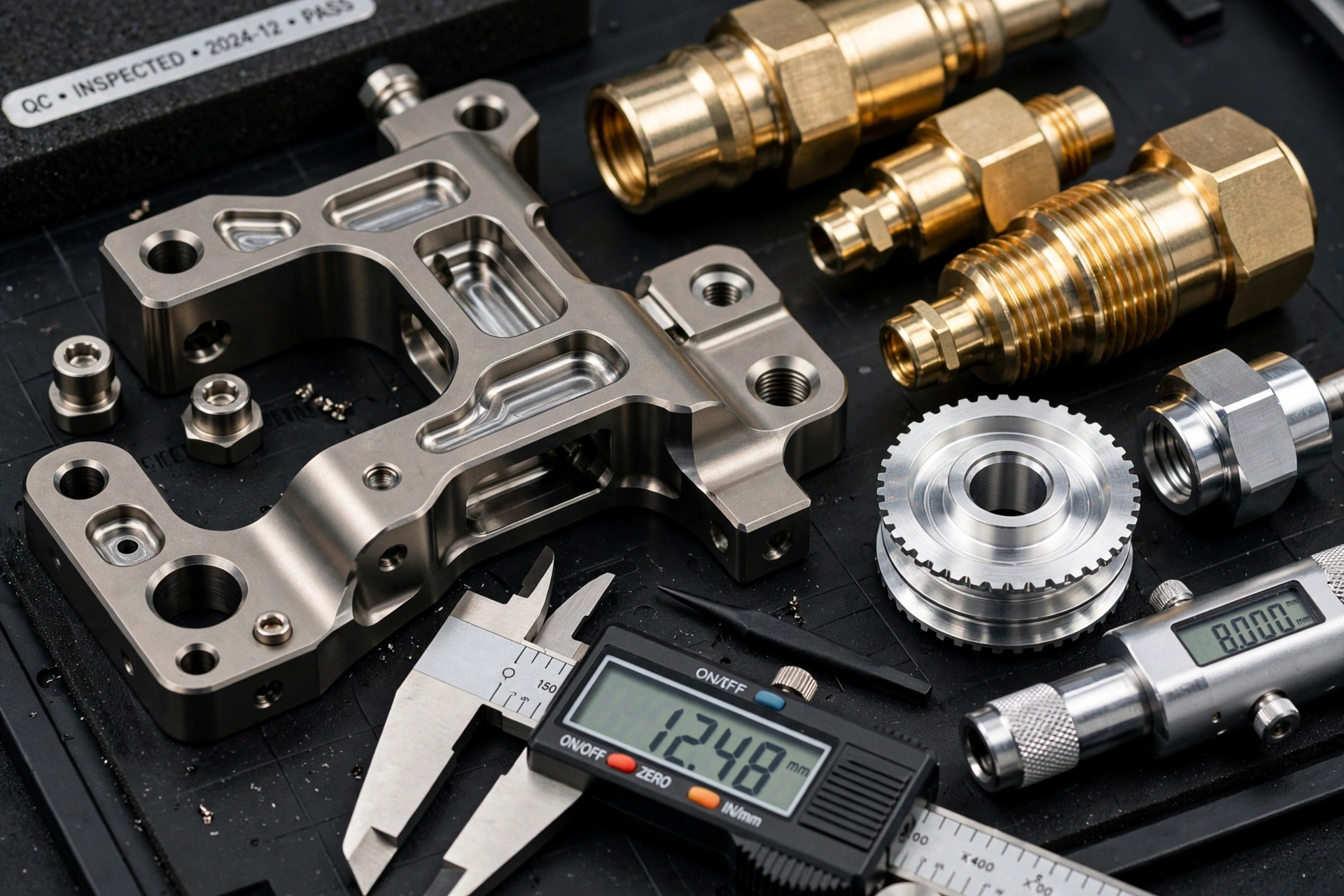
Dimensional verification against engineering drawings before a component ships
Each of these steps adds time to a project, which is exactly why some fabricators skip them. For components with real structural or safety implications, however, skipping this verification simply shifts risk onto the client, usually in the form of failures discovered during commissioning or, worse, in service.
Where This Level of Engineering Matters Most
Not every fabrication job needs this depth of process. A decorative railing does not require the same scrutiny as a load-bearing skid or a pressure-rated enclosure. Precision Fabrication Services earns its cost on projects where failure has real consequences, including structural support frames, custom equipment skids, and components destined for harsh industrial environments.
This is particularly relevant for oil and gas suppliers in UAE markets, where fabricated components often need to meet both structural codes and industry-specific material standards. A support structure for process equipment, for example, has to account for vibration, thermal expansion, and potentially corrosive atmospheres, none of which a purely cosmetic fabrication approach would consider. Working with a fabricator that understands these demands, rather than treating every job the same way, reduces the chance of a costly failure after installation.
What to Look for in an Engineering-Focused Fabrication Partner
When evaluating a potential fabrication partner, it helps to ask direct questions rather than accepting general claims about quality. Does the shop employ engineers who review designs before fabrication starts, or does work go straight from a sales quote to the shop floor? Are welding procedures certified and documented, with records available on request?
It is also worth asking how the shop handles projects for oil & gas suppliers in UAE supply chains specifically, since these projects often carry stricter documentation and traceability requirements than general commercial fabrication. A partner with direct experience serving this sector will already have processes in place for material certification and inspection reporting, which saves time compared to a shop building those processes from scratch on your project.
Response time on technical questions is another useful signal. A fabricator with in-house engineers can usually answer a question about weld procedure or material substitution within a day, while a shop that has to route every technical query through a third party will slow your project down at exactly the stage where quick decisions matter most.
Conclusion
Precision Fabrication Services closes the gap between a part that merely resembles the drawing and one engineered to actually perform under real conditions, and that distinction becomes critical for structural components and demanding industrial applications. For businesses working alongside oil and gas suppliers in UAE supply chains, choosing a fabrication partner with genuine engineering capability, not just cutting and welding skill, reduces the risk of costly failures down the line. If your next project involves load-bearing or pressure-rated components, it is worth asking a potential fabricator how deep their engineering process actually goes before work begins.
FAQs
1. How is Precision Fabrication Services different from standard metal fabrication?
Standard fabrication focuses on producing a part that matches a drawing, while Precision Fabrication Services adds structural analysis, certified welding procedures, and inspection to verify the part performs as intended under actual operating conditions.
2. Does every fabricated component need engineering review?
No. Non-structural or low-risk components often do not need this level of scrutiny, but anything bearing significant load, pressure, or operating in a harsh environment usually benefits from it.
3. What documentation should I expect from an engineering-led fabrication project?
Expect material certificates, welding procedure specifications, inspection reports, and dimensional verification records, all of which should be available for your project files.
4. Why does this matter specifically for oil and gas projects?
Equipment in this sector often operates under pressure, in corrosive environments, or under strict regulatory oversight, making documented engineering and inspection a practical necessity rather than an optional extra.
5. Can this engineering-led approach reduce long-term maintenance costs?
Yes, in most cases. Components engineered and inspected properly from the start tend to experience fewer in-service failures, which reduces unplanned downtime and repair costs over the equipment's lifespan.

 Arabic
 French
 Spanish
 Portuguese
 Deutsch
 Turkish
 Dutch
 Italiano
 Russian
 Romaian
 Portuguese (Brazil)
 Greek