


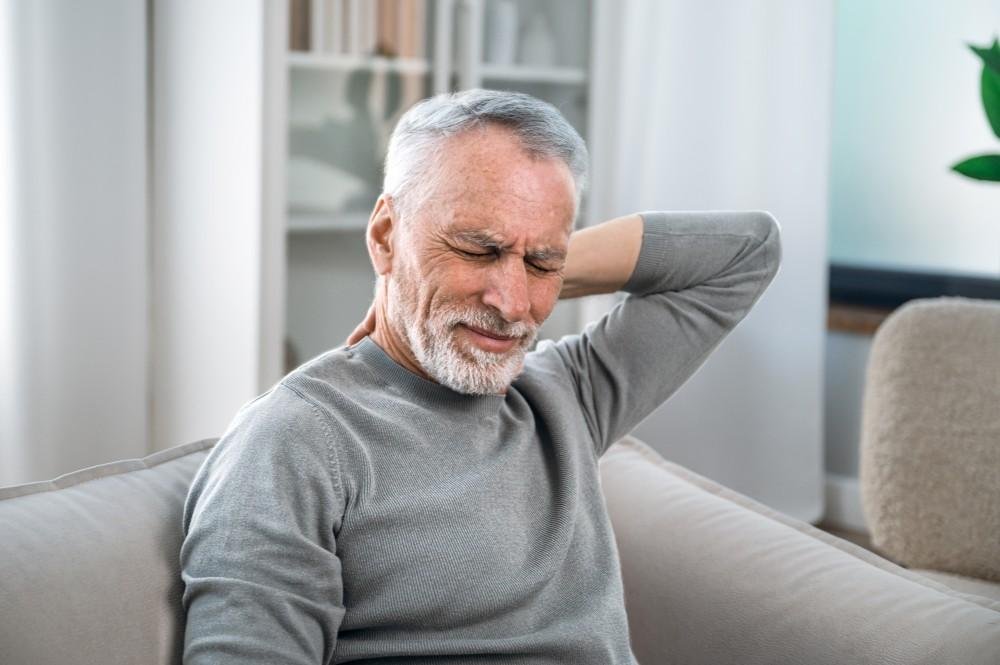
Neck pain can make simple daily activities harder than expected. Turning your head, working at a desk, driving, or sleeping may become painful. Neck pain treatment in Rowlett can help people understand the cause of their symptoms and explore appropriate non surgical options.
Neck pain can develop from poor posture, muscle strain, injuries, arthritis, or changes in the discs of the neck. The right treatment depends on the cause. Some people experience short-term pain after an awkward movement. Others develop ongoing symptoms that interfere with work, sleep, and normal activities.
What Causes Neck Pain?
Neck pain can develop for many reasons. Muscle strain is common after spending long periods looking down or sitting in one position. Poor posture can place extra stress on the muscles and joints around the neck. This can become a regular problem for people who work at computers or frequently use phones. An injury can also cause neck pain.
Car accidents, falls, and sports injuries may affect muscles, joints, ligaments, or discs. Age-related changes can contribute to neck symptoms as well. The discs between the bones of the neck may gradually change over time. Some conditions can also irritate or compress nearby nerves. This may cause pain that travels from the neck toward the shoulder, arm, or hand.
Neck Pain Treatment Options in Rowlett
Many neck pain problems can be managed without surgery. Treatment depends on the cause, severity, duration, and symptoms. A healthcare professional can recommend appropriate options after evaluating your condition.
1. Physical Therapy
Physical therapy can help improve neck movement and strength. A therapist may teach exercises designed around your symptoms and physical limitations. These exercises can help support the muscles around the neck and upper back. Regular movement may also help reduce stiffness.
2. Therapeutic Exercises
Specific exercises can support better neck function. Gentle stretching may improve flexibility when stiffness is contributing to your symptoms. Strengthening exercises can also help support the neck and surrounding muscles. Exercises should be performed correctly to avoid making symptoms worse.
3. Posture Correction
Changing your posture can reduce unnecessary strain on the neck. Keep your screen at a comfortable height and avoid holding your head forward for long periods. Taking regular breaks can also help. Moving your neck and changing positions throughout the day may reduce stiffness.
4. Heat Therapy
Heat may help relax tight muscles. A warm shower or heating pad can provide temporary relief for some people. Avoid excessive heat and protect your skin. Follow recommended time limits when using a heating pad.
5. Cold Therapy
Cold therapy may help after certain injuries. It can temporarily reduce pain and swelling around an affected area. Use a cloth between your skin and the cold pack. Do not apply ice directly to the skin.
6. Medication
Certain pain medicines may help manage neck symptoms. Over-the-counter options may be appropriate for some people. Prescription medicines may be considered when symptoms are more difficult to control. Your medical history should be reviewed before starting any medication.
7. Activity Modification
You may not need complete bed rest for neck pain. Instead, temporarily reducing activities that increase your symptoms may be helpful. Avoiding repeated heavy lifting or painful movements can give irritated tissues time to settle. Gradually returning to normal activities may support recovery. Your provider can guide you based on your symptoms.
8. Trigger Point Treatment
Tight muscle areas can sometimes contribute to neck pain. A healthcare professional may identify specific tender areas during an examination. Trigger point treatment may be considered for appropriate patients. The treatment choice depends on the source of your symptoms.
9. Injections
Some neck conditions may respond to targeted injections. These treatments can be considered when other approaches have not provided enough relief. The type of injection depends on the suspected source of pain. Your provider should explain the benefits, risks, and alternatives beforehand.
10. Lifestyle Changes
Daily habits can influence neck pain. Regular movement, appropriate exercise, good sleep, and healthy work habits may support long-term management. Managing stress may also help some people. Stress can increase muscle tension and may make existing pain feel more noticeable.
When Should You See a Neck Pain Specialist?
You may want to consult a neck pain specialist Rowlett when pain continues despite reasonable home care. Specialist evaluation can be useful when symptoms interfere with sleep, work, exercise, or everyday activities. You should also seek medical attention after a significant injury. Severe pain following a car accident or fall should not be ignored.
Numbness, weakness, or pain traveling into the arm may also require professional assessment. These symptoms can sometimes occur when a nerve is irritated. A specialist can review your symptoms and determine if additional testing is needed. Treatment can then focus on the suspected source of your pain.
How Can a Neck Pain Doctor Diagnose the Problem?
A neck pain doctor near me may begin by asking detailed questions about your symptoms. You may be asked when the pain started. Your provider may also ask about injuries, work activities, posture, and previous treatments. A physical examination can provide important information. Your provider may check your neck movement, muscle strength, reflexes, and areas of tenderness.
Imaging is not always necessary. However, an X-ray, MRI, or other test may be considered when your symptoms suggest a specific problem. The goal is to understand what may be causing your symptoms. This helps your provider choose appropriate treatment rather than treating pain without understanding its source.
How Can You Find Neck Pain Relief in Rowlett?
Finding neck pain relief in Rowlett starts with identifying what is causing your symptoms. Temporary relief may come from heat, gentle movement, posture changes, or appropriate medication. However, recurring pain may need a more detailed evaluation. Continuing to rely on temporary measures may not address the underlying problem.
A pain specialist can discuss treatment options based on your symptoms. The recommended approach may combine several non surgical treatments. Your treatment can also change as your symptoms improve. Regular follow-up can help determine if additional care is needed.
What is Pain Management for Neck Pain?
Pain management for neck pain focuses on reducing symptoms while addressing factors that may be contributing to the problem. Treatment can include medication, physical therapy, exercises, lifestyle changes, or selected procedures. Pain management does not always mean using medication.
A A comprehensive approach can include several forms of care. Your provider may also recommend specialist evaluation when symptoms suggest a condition outside their area of treatment. The purpose is to help you manage pain and maintain normal activities. Treatment should be based on your specific diagnosis and medical history.
When Should You Consider a Neck and Shoulder Pain Clinic?
Neck pain can sometimes occur with shoulder pain. Symptoms may overlap because the neck, shoulders, muscles, joints, and nerves work closely together. A neck and shoulder pain clinic may evaluate symptoms affecting both areas.
Pain that travels from the neck toward the shoulder or arm can have several possible causes. A careful examination can help determine where the symptoms may be coming from. Treatment may focus on the neck, shoulder, or both areas. The approach depends on the findings from your evaluation.
Can Chronic Neck Pain Be Treated Without Surgery?
A neck pain management clinic may help people who have ongoing symptoms. Chronic neck pain can affect concentration, sleep, physical activity, and quality of life. It may also make normal movements more difficult. Non surgical treatment can sometimes help manage persistent symptoms.
Options may include physical therapy, medication, exercises, injections, and lifestyle changes. People searching for a chronic neck pain clinic near me should look for a provider who evaluates the cause of persistent pain. Treatment should not be based only on how severe the pain feels. Your symptoms, examination findings, medical history, and previous treatments all matter.
How Can You Prevent Neck Pain From Returning?
Prevention starts with identifying habits that may contribute to your symptoms. Long periods in one position can place repeated stress on the neck. Adjust your workspace so your screen is at a comfortable height. Keep frequently used items within easy reach when possible. Take regular movement breaks during long periods of sitting.
Gentle neck and upper-back exercises may also support mobility. Use a comfortable sleeping position and pillow. Your neck should remain in a neutral position rather than being pushed too far forward or backward. If your pain returns frequently, consider a professional evaluation. Recurring symptoms may need treatment rather than repeated short-term relief.
Frequently Asked Questions
What is the fastest way to relieve neck pain?
There is no single treatment that provides immediate relief for everyone. Heat, gentle movement, activity modification, and appropriate medication may help some people.
Can neck pain go away without surgery?
Yes, many neck pain conditions can be managed without surgery. Treatment depends on the cause and severity of the problem.
Is physical therapy good for neck pain?
Physical therapy can help improve movement, strength, and function for many neck conditions. Exercises should match your symptoms and diagnosis.
Can poor posture cause neck pain?
Poor posture can place extra strain on the neck and upper-back muscles. Improving your workstation and taking movement breaks may help reduce this strain.
When is neck pain serious?
Seek urgent medical attention after significant trauma or when neck pain occurs with severe weakness, numbness, trouble walking, or other serious symptoms.
Conclusion
You do not have to ignore neck pain that keeps returning. Persistent symptoms can affect your sleep, work, movement, and everyday activities. Neck pain treatment in Rowlett can provide an opportunity to understand your symptoms and discuss non surgical treatment options. A professional evaluation can help identify the possible source of your pain. It can also help determine which treatments may be appropriate for your needs. Dr. Rao K. Ali is a board certified pain specialist who can discuss your symptoms thoroughly and recommend available pain management options. Taking the next step can help you move toward better neck function and daily comfort.

 Arabic
 French
 Spanish
 Portuguese
 Deutsch
 Turkish
 Dutch
 Italiano
 Russian
 Romaian
 Portuguese (Brazil)
 Greek