


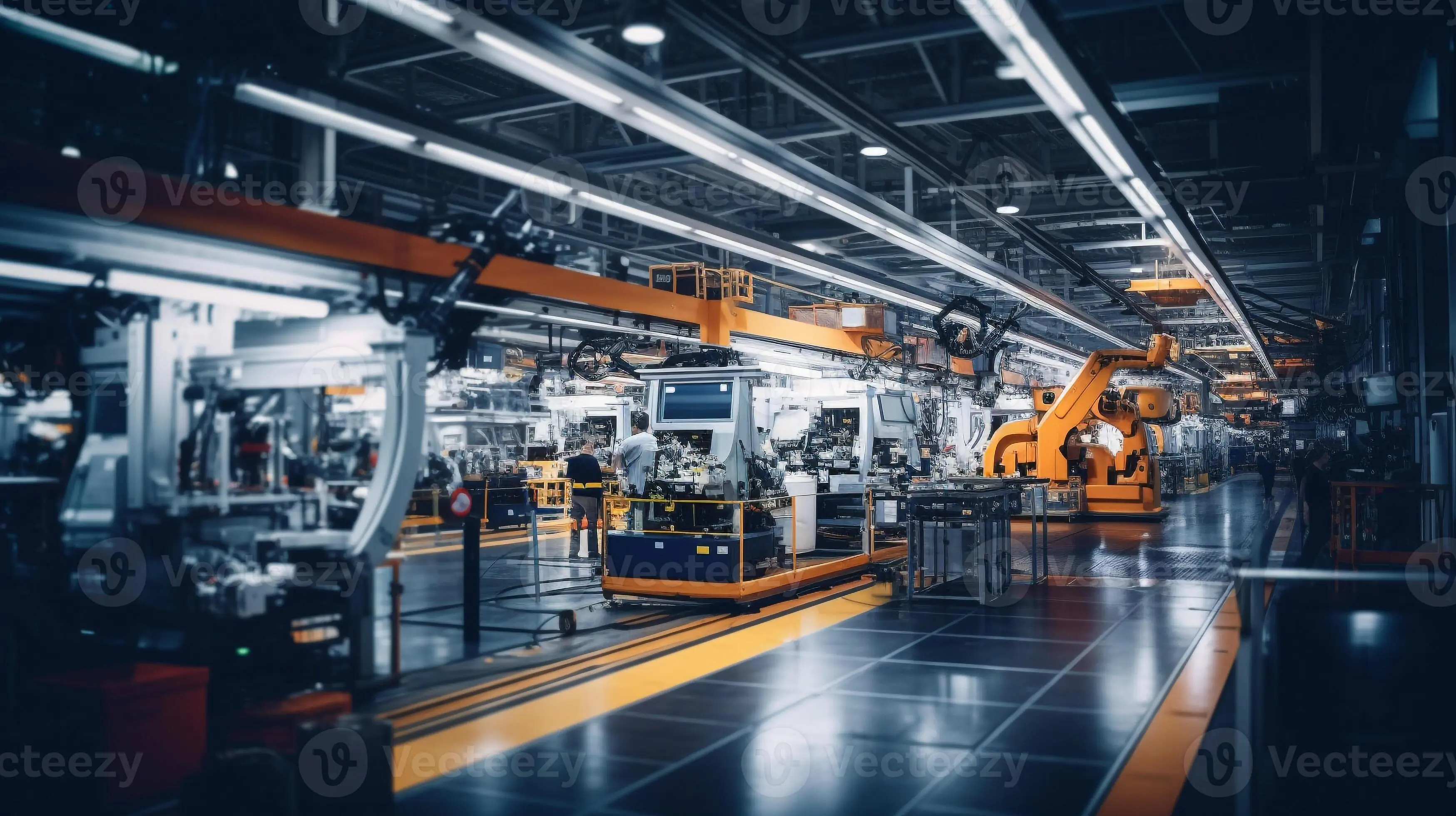
Industrial automation connects control systems, instruments, software, and field equipment to manage industrial processes with greater consistency and visibility. In manufacturing and process plants, automation can monitor operating conditions, collect process data, and support controlled responses to changing conditions. Oil and gas facilities use automation across production, processing, transportation, storage, and refining operations where process variables must be monitored continuously. Industrial pumps support many of these processes by moving liquids between equipment, tanks, pipelines, and treatment systems. Selecting automation equipment and pumps requires a clear understanding of process conditions, operating requirements, maintenance needs, and applicable standards. Proper system integration also helps operators maintain human oversight while using automated monitoring and control functions.
What Are Industrial Automation Solutions And How Do They Work?
Industrial automation solutions combine hardware and software used to monitor, control, and coordinate industrial processes. A typical system may include programmable logic controllers (PLCs), supervisory control and data acquisition (SCADA), human-machine interfaces (HMIs), sensors, transmitters, control valves, and industrial communication networks. Sensors measure parameters such as pressure, temperature, level, flow, and equipment status. These measurements are transmitted to control systems, where programmed logic can support specific process actions.
PLCs are commonly used for machine and process control, while SCADA platforms provide supervisory monitoring, data collection, alarms, and operational displays. HMIs give operators a practical interface for viewing process conditions and interacting with equipment. Communication networks allow field devices, controllers, drives, and supervisory systems to exchange information. Industrial automation is used in manufacturing lines, water treatment facilities, material handling systems, utilities, process plants, and other applications where coordinated monitoring and control are required.
Automation does not eliminate the need for operators or maintenance personnel. Instead, properly designed systems provide information and control functions that support human decision-making. Control logic, alarms, interlocks, and emergency functions must be designed according to the hazards and operating requirements of the particular process.
What Are Oil And Gas Automation Solutions Used For?
Oil And Gas Automation Solutions Are Used To Monitor And Control Equipment And Processes Throughout Different Stages Of The Oil And Gas Industry. Upstream Operations Can Involve Automation For Drilling Support Systems, Well Monitoring, Production Equipment, And Associated Process Facilities. Midstream Operations May Use Automated Monitoring For Pipelines, Pumping Stations, Storage Facilities, Terminals, And Transportation Infrastructure.
In Downstream Facilities, Automation Can Support Refining, Separation, Blending, Storage, Utilities, And Other Process Operations. Instrumentation Measures Variables Such As Pressure, Temperature, Flow, Level, And Composition Where Appropriate. Control Systems Use This Information To Maintain Defined Operating Conditions, While Alarms Can Notify Operators When Measured Values Reach Configured Limits.
Interlocks Are Particularly Important Where Specific Conditions Must Be Met Before Equipment Can Operate Or Where A Defined Response Is Required When An Abnormal Condition Occurs. Automation Architecture May Include PLCs, Distributed Control Systems, SCADA, Safety-Related Systems, Field Instruments, And Industrial Networks Depending On The Application.
The Design Must Account For Process Hazards, Environmental Conditions, Equipment Criticality, Communication Requirements, Cybersecurity Considerations, And Applicable Industry Standards. Human Oversight Remains Important For Operating Decisions, Abnormal Situations, Maintenance, And System Verification.
What Should You Consider When Choosing An Industrial Pumps Supplier?
Industrial Pumps Supplier Selection Should Be Based On How Well The Available Equipment Matches The Actual Process Requirements. Pump Selection Begins With Understanding The Required Flow Rate And Pressure Or Head. The Characteristics Of The Liquid Are Equally Important Because Viscosity, Temperature, Solids Content, Corrosiveness, Chemical Compatibility, And Other Properties Can Influence Pump Design And Material Selection.
Common Pump Categories Include Centrifugal, Positive Displacement, Diaphragm, Gear, And Screw Pumps. Centrifugal Pumps Are Frequently Used For Suitable Liquid Transfer Applications, While Positive Displacement Designs Can Be Appropriate Where A Controlled Volume Of Fluid Must Be Moved Under Particular Operating Conditions. Diaphragm, Gear, And Screw Pumps Have Their Own Operating Characteristics And Application Limitations.
The Supplier's Technical Support Can Also Be Relevant During Equipment Selection. Documentation May Include Pump Curves, Dimensional Information, Material Specifications, Operating Limits, Installation Instructions, And Maintenance Requirements. Availability Of Replacement Components And Spare Parts Can Be Important For Equipment That Is Critical To Plant Operations.
Installation Conditions Should Also Be Reviewed Before Purchase. Suction Arrangements, Piping Configuration, Alignment, Foundation Requirements, Electrical Supply, Motor Selection, And Control Interfaces Can All Affect The Installation. Equipment Should Be Selected For The Actual Duty Rather Than Based Only On Nominal Capacity Or General Application Descriptions. Senscore Technologies Provides An Industrial Technology Context Where Automation And Pumping Requirements Can Be Considered Together During Equipment Planning.
How Do Industrial Pumps Work With Automation Systems?
Industrial Pumps Can Be Connected To Automation Systems Through Instruments, Motor Controls, Variable Frequency Drives, PLCs, And Supervisory Platforms. Depending On The Application, Sensors May Measure Suction Pressure, Discharge Pressure, Flow, Temperature, Vibration, Tank Level, Or Other Relevant Conditions. These Measurements Provide Operational Information That Can Be Displayed To Operators Or Used Within Control Logic.
For Example, A Pump Transferring Liquid From A Storage Tank May Operate According To A Level Condition, Process Demand, Or Defined Control Sequence. A Pressure Transmitter Can Provide Feedback From The Discharge Side, While A Flow Instrument Can Help Verify Process Movement. A PLC Can Process These Signals And Coordinate Pump Operation With Valves, Tanks, And Other Connected Equipment.
Variable Frequency Drives May Be Used Where Adjustable Motor Speed Is Appropriate For The Process. However, Drive Selection And Control Strategy Must Consider The Pump Design, Motor Characteristics, Process Requirements, And Operating Limits. Automation Systems Can Also Generate Alarms When Measured Conditions Exceed Configured Thresholds.
Monitoring Does Not Replace Physical Inspection Or Maintenance. Mechanical Seals, Bearings, Couplings, Lubrication Systems, Valves, Electrical Connections, And Piping Should Still Be Inspected According To Equipment Requirements. Where Appropriate, Condition-Based Maintenance Can Use Measured Operating Data Alongside Inspection Findings And Maintenance History.
What Factors Should Industries Consider When Selecting Automation And Pumping Equipment?
Industrial Equipment Selection Should Begin With A Clear Process Description And Defined Operating Requirements. For Automation, This Includes Identifying The Required Measurements, Control Functions, Communication Protocols, Number Of Field Devices, Operator Interfaces, Alarm Requirements, And Applicable Safety Or Regulatory Requirements. The Physical Environment Should Also Be Considered, Including Temperature, Moisture, Dust, Hazardous-Area Classification, And Installation Conditions.
For Pumps, Engineers Should Establish Flow Requirements, Pressure Or Head, Fluid Properties, Temperature Range, Solids Content, Materials Compatibility, Suction Conditions, Duty Cycle, And Expected Operating Range. A Pump That Is Suitable For One Liquid Or Duty May Not Be Appropriate For Another, Even When The Required Flow Rate Appears Similar.
Integration Between Automation And Mechanical Equipment Should Be Planned Before Installation. Instrument Locations, Control Panels, Motor Starters Or Drives, Communication Networks, Shutdown Functions, And Maintenance Access All Influence System Design. Documentation Should Clearly Identify Equipment Specifications, Wiring, Control Logic, Operating Limits, And Maintenance Procedures.
Preventive Maintenance Can Include Scheduled Inspection, Lubrication Where Applicable, Alignment Checks, Seal Inspection, Instrument Verification, Electrical Checks, And Review Of Alarms And Control Functions. Condition-Based Approaches Can Supplement Scheduled Maintenance When Reliable Operating Data Is Available. Equipment Should Ultimately Be Selected According To The Actual Process, Lifecycle Requirements, Applicable Standards, And Qualified Engineering Practices.
Conclusion
Industrial Automation Provides Structured Monitoring And Control For Manufacturing, Process, And Infrastructure Applications.
Oil And Gas Automation Supports Operational Visibility Across Production, Transportation, Processing, Storage, And Refining Activities.
Industrial Pumps Perform Essential Fluid Transfer Duties And Must Be Selected According To Process Conditions And Equipment Requirements.
Sensors, PLCs, SCADA, HMIs, Drives, And Communication Networks Can Connect Pumping Equipment With Broader Control Systems.
Correct Equipment Selection Requires Attention To Flow, Pressure, Fluid Properties, Environmental Conditions, Duty Cycle, And Applicable Standards.
Regular Inspection, Preventive Maintenance, And Appropriate Condition Monitoring Help Maintain Equipment Within Its Intended Operating Requirements.
A Properly Engineered Combination Of Automation, Instrumentation, Pumps, And Human Oversight Supports Controlled And Informed Industrial Operations.

 Arabic
 French
 Spanish
 Portuguese
 Deutsch
 Turkish
 Dutch
 Italiano
 Russian
 Romaian
 Portuguese (Brazil)
 Greek