


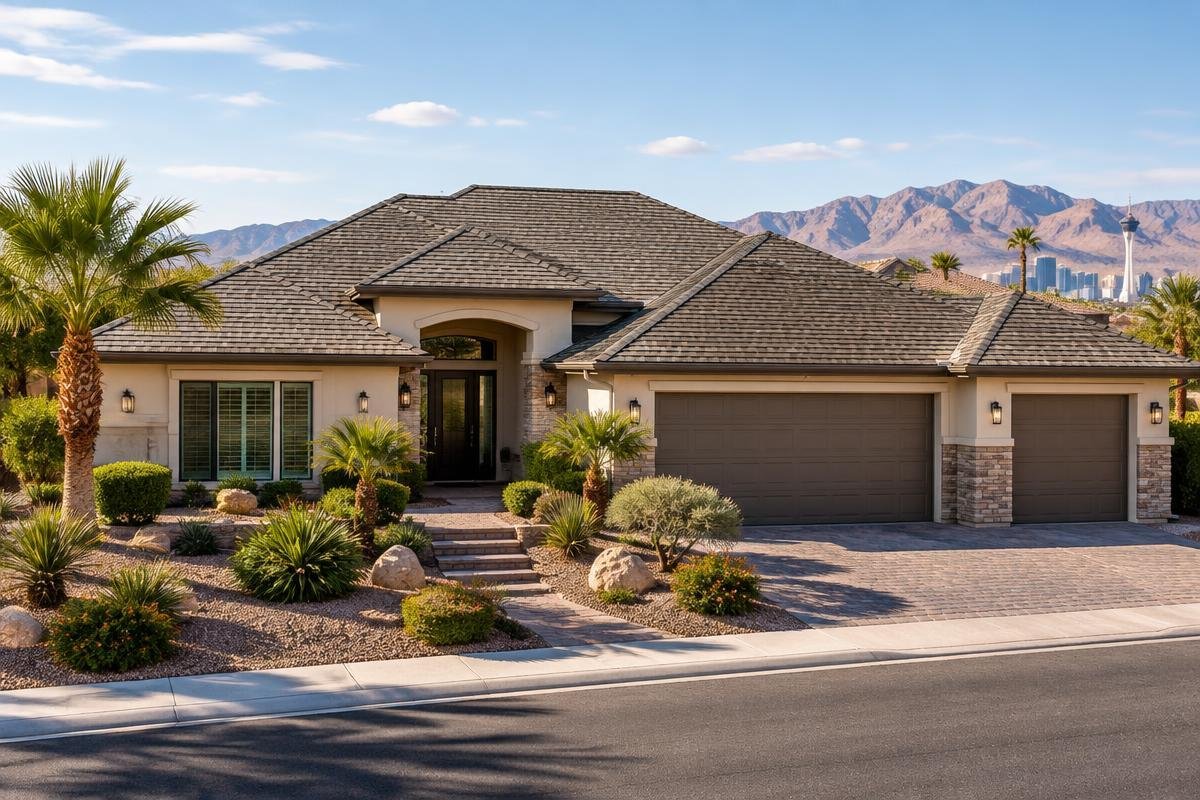
Replacing an aging roof is more than a matter of improving curb appeal. In North Las Vegas, a reroofing project also needs to account for intense sunlight, prolonged heat, sudden temperature changes, wind, and the gradual wear these conditions can place on roofing materials. When the existing roof has reached the point where repairs are becoming less dependable, homeowners may begin comparing replacement systems rather than continuing with isolated fixes.
Engineered shingle reroofing offers one approach worth considering. Unlike simply replacing a few damaged shingles, a reroofing project involves evaluating the roof as a complete protective system and installing a new engineered shingle covering suited to the structure. The right approach can improve the roof's appearance while addressing deterioration that may otherwise lead to more extensive problems.
Understanding how this type of reroofing works, what conditions influence the project, and how homeowners can prepare for it makes the replacement process easier to evaluate.
How Can Homeowners Tell When Reroofing Has Become the Better Option?
Roof deterioration does not always happen in one dramatic event. More often, a roof gradually loses its ability to protect the building as materials age and repeated exposure takes its toll.
Look Beyond Individual Damaged Shingles
A cracked, displaced, or missing shingle does not automatically mean an entire roof needs replacement. Localized repairs can sometimes resolve isolated damage. The situation changes when deterioration becomes widespread.
Curling shingles, excessive granule loss, exposed underlayment, recurring leaks, and areas that appear unusually worn may indicate that the roofing system is approaching the end of its useful service life. Previous repairs can also provide valuable clues. If the same sections repeatedly require attention, continuing to patch the roof may become less practical than replacing the covering.
Moisture problems deserve particular attention. Water can move beneath roofing materials and affect decking, insulation, or interior finishes before a homeowner notices obvious staining inside the property.
Consider the Roof as a System
A roof is not simply a layer of visible shingles. It includes the roof deck, underlayment, flashing, ventilation components, and other details that work together to manage weather exposure and moisture.
For that reason, an evaluation before reroofing should look at more than the surface appearance. Identifying weak areas before installation helps determine whether portions of the underlying structure require attention and whether the proposed shingle system is appropriate for the roof's existing design.
What Makes Engineered Shingles Different From a Basic Roof Replacement?
Engineered shingles are manufactured with specific performance characteristics rather than being treated as a generic surface covering. Their design, construction, and installation requirements can influence how the finished roof handles everyday exposure.
Material Design Matters
Modern engineered shingles can be designed to provide a consistent appearance while incorporating features intended to improve durability and weather performance. The exact characteristics vary by product, so homeowners should evaluate the manufacturer's specifications rather than assuming every shingle system performs the same way.
The roof's slope, exposure, ventilation, fastening requirements, and local weather conditions all affect how the selected material should be installed. A suitable product is only one part of a successful reroofing project; correct installation is equally important.
Installation Details Affect Performance
Even high-quality roofing materials can perform poorly when installation details are overlooked. Fastener placement, flashing, valleys, roof edges, penetrations, and transitions between different roofing surfaces all deserve careful attention.
This is particularly relevant in a desert environment. North Las Vegas receives substantial sun exposure, and roof surfaces can experience significant heat throughout the year. A properly planned roofing system should account for those environmental stresses rather than treating material selection as the only important decision.
Which North Las Vegas Conditions Should Influence a Reroofing Project?
Local climate is one of the most useful factors to consider when planning a roof replacement. A roofing system that performs well in one region may face very different demands elsewhere.
Heat and Sun Exposure
Persistent ultraviolet exposure can gradually affect roofing materials. Repeated heating and cooling can also contribute to material movement over time.
For homeowners in North Las Vegas, choosing an engineered shingle system should therefore involve consideration of how the product is intended to perform under sustained solar and thermal exposure. Color and surface characteristics may also influence how a roof interacts with heat, making manufacturer guidance relevant during product selection.
Wind and Sudden Weather Changes
Desert weather can change quickly. Wind can place stress on exposed roofing components, particularly around edges, ridges, and other vulnerable areas.
A reroofing project should include appropriate attention to fastening and perimeter details. Properly secured materials help the roof function as a unified system rather than leaving individual components vulnerable to displacement.
Homeowners considering reliable Engineered Shingle Reroofing in North Las Vegas, NV can benefit from having the entire roof assessed before deciding which installation approach is appropriate. A professional evaluation can identify conditions that may not be obvious from ground level, including problems around flashing, penetrations, roof edges, and underlying decking.
What Should Be Checked Before New Shingles Are Installed?
Preparation can have as much influence on the final result as the visible installation work. Installing new shingles over unresolved structural or moisture problems can simply conceal issues rather than solve them.
Inspect the Decking and Underlayment
The roof deck provides the foundation for the roofing assembly. If portions have been weakened by prolonged moisture exposure or other deterioration, those areas may need to be addressed before the new covering is installed.
The underlayment also plays an important role in moisture management. Its condition and compatibility with the selected roofing system should be considered as part of the overall preparation process.
Examine Flashing and Roof Penetrations
Areas around vents, chimneys, skylights, pipes, and other penetrations can be particularly susceptible to water intrusion when flashing is damaged or improperly integrated.
Reroofing provides an opportunity to inspect these transition points instead of simply covering them with new material. Replacing or correcting compromised components can help reduce the possibility of recurring leaks after the project is completed.
How Can Homeowners Prepare for a More Effective Reroofing Project?
Good preparation begins before materials arrive at the property. Homeowners can make the process easier by understanding the scope of work and discussing important details with the roofing professional.
Clarify the Full Scope
A useful project discussion should cover the existing roof condition, proposed shingle system, underlayment, flashing, ventilation, removal of old materials, and any anticipated deck repairs.
Homeowners should also understand how unexpected conditions will be handled if deteriorated materials are discovered after the existing roof covering is removed. Having this conversation in advance reduces confusion when the work begins.
Think About Long-Term Maintenance
A new roof should not be viewed as something that can be ignored once installation is complete. Periodic inspections can help identify displaced materials, damaged flashing, blocked drainage paths, or other developing concerns before they become larger problems.
Keeping gutters and drainage areas clear is also useful where applicable. Although desert environments receive less annual rainfall than many other regions, heavy storms can still produce substantial short-term runoff.
What Should Homeowners Look For After Reroofing Is Finished?
The end of installation is not the end of responsible roof ownership. A completed reroofing project should leave the property with a coherent, properly integrated roofing system.
Homeowners should review the finished work and confirm that visible components have been installed as expected. They can also ask about recommended inspection intervals, product maintenance, ventilation, and any manufacturer-specific care requirements.
Keeping documentation about the roofing materials and installation can be useful for future maintenance. If another professional needs to inspect or repair the roof later, knowing which materials were installed can make that process more straightforward.
A New Roof Should Solve Problems, Not Hide Them
The primary purpose of reroofing is to restore dependable protection to the building. A visually attractive roof is valuable, but appearance should not overshadow the condition of the components beneath it.
When the project is approached as a complete roofing-system upgrade, homeowners have a better opportunity to address underlying concerns, select appropriate materials, and establish a sound foundation for future maintenance.
Engineered shingle reroofing can be a practical solution when an existing roof has reached the stage where repeated repairs no longer provide the desired long-term answer. For North Las Vegas homeowners, the decision should be based on the roof's condition, the property's exposure, the characteristics of the selected shingles, and the quality of the installation. A careful evaluation and well-planned replacement can turn an aging roof into a more dependable part of the home's overall protection.
More details are available at: Rank Business Listings

 English
 Arabic
 French
 Spanish
 Portuguese
 Deutsch
 Turkish
 Italiano
 Russian
 Romaian
 Portuguese (Brazil)
 Greek
Greek