


Introduction
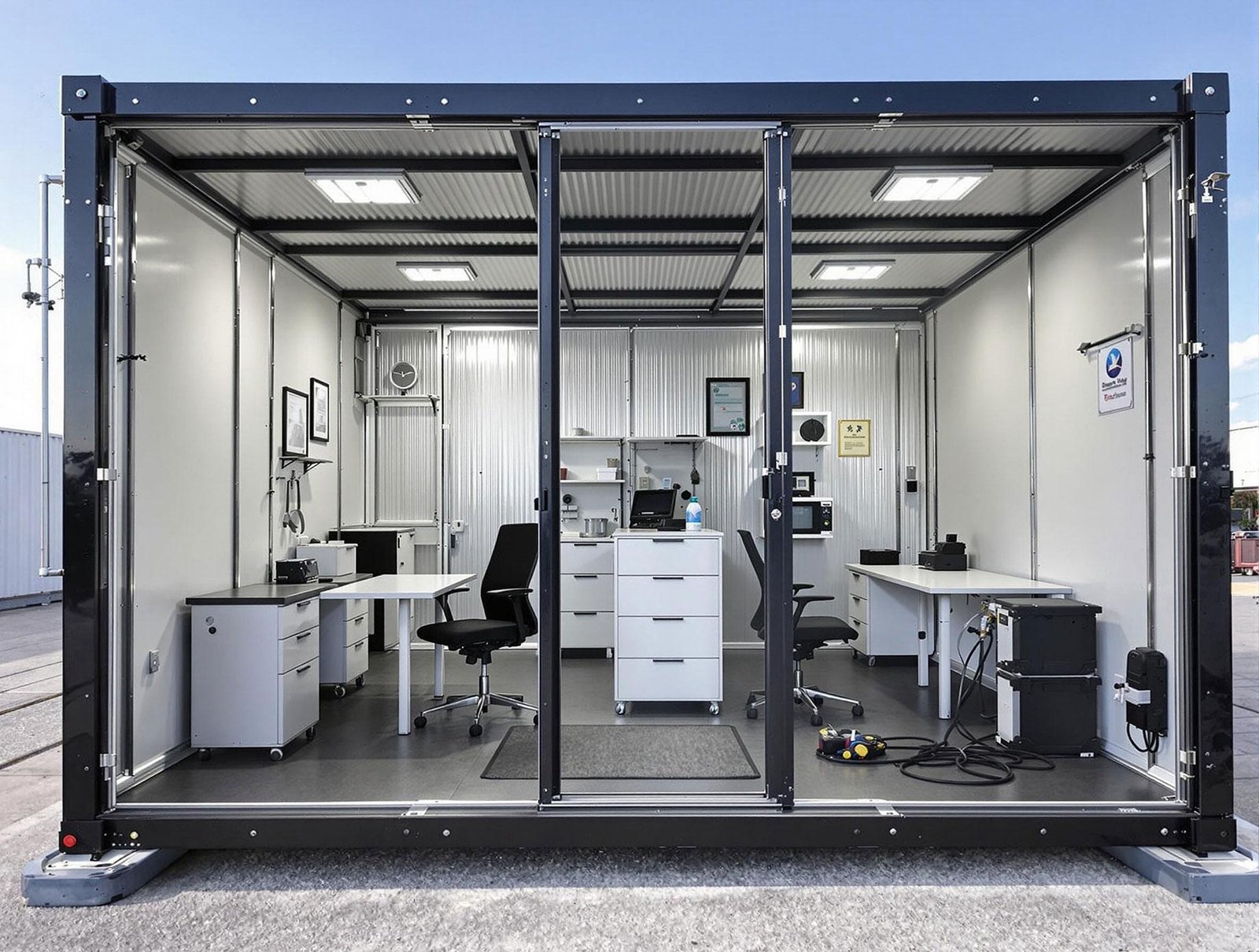
Businesses often need extra storage space, but building a permanent warehouse is not always the best option. A company may be handling a new project, storing construction materials, or managing stock during a busy season. In these situations, a portable warehouse in Jeddah can offer a practical alternative. It provides covered space for goods, tools, equipment, and supplies without requiring the same level of construction as a traditional building. For businesses working across Jeddah, having storage close to the job site can also save time and reduce unnecessary transportation.
Prime Portable Cabin provides portable space solutions for businesses that need convenient and adaptable facilities. The right warehouse setup depends on what needs to be stored, how much room is available, and how long the space will be required. Some businesses need a simple storage unit, while others require a larger structure with access doors, ventilation, lighting, and room for regular loading and unloading.
Why Portable Warehouses Are Useful in Jeddah
Jeddah has a wide range of commercial, industrial, construction, and logistics activities. These businesses do not always have the same storage requirements throughout the year. A construction company might need additional room for building materials at one site, while a trading business may need space for extra inventory before a busy sales period. A portable structure allows businesses to plan around these changing needs.
Another advantage is flexibility. Depending on the design and installation requirements, a portable warehouse may be relocated or adapted when a project changes. This can be particularly helpful for contractors who work at different locations. Instead of relying entirely on distant storage facilities, they can keep frequently used materials closer to their teams.
Before choosing a unit, businesses should consider several practical points:
-
Available space: Measure the site and decide how much covered storage is needed.
-
Type of goods: Consider whether the warehouse will hold tools, packaged products, machinery, or building materials.
-
Access requirements: Make sure doors and loading areas suit the equipment used to move goods.
-
Weather protection: Choose suitable roofing, wall panels, and sealing for local conditions.
-
Future needs: Allow enough room for possible increases in stock or equipment.
These details may seem small at first, but they can make a real difference to everyday warehouse operations.
Choosing the Right Portable Warehouse
Size, Layout, and Daily Use
The best warehouse is not necessarily the largest one. A well-planned layout can make a smaller space more useful and easier to manage. Businesses should think about how goods will enter the building, where they will be placed, and how workers will retrieve them. If forklifts or other handling equipment are used, the internal layout and entrance dimensions deserve particular attention.
When selecting a portable warehouse in Jeddah, it is also worth discussing the expected duration of use. A short-term construction project may require a different arrangement from a business that needs storage for several years. Dimensions, structural design, installation conditions, and the possibility of future relocation should all be considered before making a decision.
Materials and Protection from the Elements
Jeddah's hot climate makes material selection especially important. Strong sunlight, high temperatures, humidity, and occasional heavy rain can affect stored goods and the performance of a building. The appropriate structure should provide reliable protection for the items kept inside.
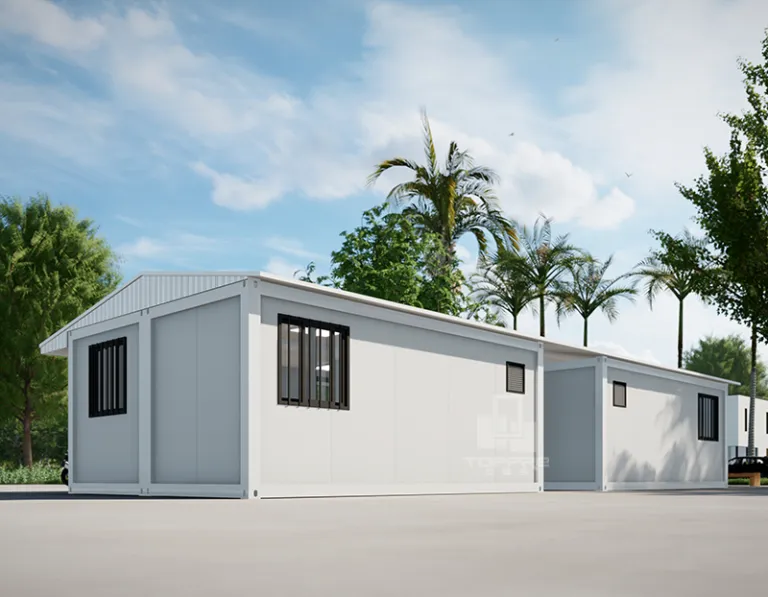
Depending on the intended use, useful features may include:
-
Durable roofing and wall panels.
-
Properly sealed doors and joints.
-
Suitable ventilation to help manage indoor heat and moisture.
-
Lighting for safer movement and easier stock handling.
-
Secure locking systems to control access.
-
Insulation or additional climate control when the stored products require it.
Not every warehouse needs every feature. For example, basic construction materials may have different storage requirements from portable warehouse in Jeddah electronics, paper products, or temperature-sensitive supplies. Businesses should identify these needs before choosing a design.
How Portable Warehouse Solutions Support Daily Operations
Storage affects more than the amount of available floor space. When equipment and materials are kept in an organized location, workers can find what they need without wasting time searching across different areas. A dedicated warehouse can also help separate incoming supplies from items that are ready to be used or delivered.
For construction companies, this may mean keeping tools, spare parts, and building materials near the work area. Retailers and distributors may benefit from additional room for cartons and packaged inventory. Workshops can use covered storage for equipment that should not be left exposed to dust, moisture, or direct sunlight.
A well-designed portable facility can also make portable warehouse in Jeddah stock management easier. Shelving, clearly marked sections, and a simple inventory process help staff understand what is available and where it belongs. Good organization reduces clutter and makes better use of the available space.
What to Consider Before Installation
Preparing the Site
A portable warehouse still requires proper planning before installation. The ground should be assessed for stability, drainage, and suitability for the proposed structure. Access for delivery vehicles and installation equipment should also be arranged in advance.
Businesses should confirm local requirements before work begins. Depending on the location, size, use, and construction type, permits, approvals, safety measures, or other compliance steps may apply. It is better to clarify these portable warehouse in Jeddah matters early than to face delays after the unit has been delivered.
A useful preparation checklist includes:
-
Confirming the measurements and intended position of the warehouse.
-
Checking ground conditions and water drainage.
-
Arranging safe access for delivery and installation.
-
Planning electricity, lighting, and ventilation if required.
-
Confirming the necessary approvals and site safety arrangements.
-
Reviewing maintenance responsibilities and access control.
These preparations help the installation process run more smoothly and make the finished space more practical to use.
Finding a Suitable Portable Warehouse Provider
Choosing a supplier involves more than comparing prices. Businesses should ask about the structure's specifications, materials, installation process, expected maintenance, and any options for customization. It is also useful to clarify what the quoted price includes, such as delivery, fitting, insulation, doors, and electrical work.
Prime Portable Cabin can be considered by businesses exploring portable building options for their storage requirements in Jeddah. Before placing an order, customers should explain the intended use of the warehouse and request details that match their site conditions. Clear communication helps prevent misunderstandings about dimensions, included features, delivery arrangements, and installation timelines.
The most suitable solution is one that meets the actual storage requirements without adding unnecessary features or expense. A careful comparison of specifications and long-term needs is more useful than choosing a unit based on appearance alone.
Conclusion
A portable warehouse can help businesses in Jeddah create additional storage space without committing immediately to a conventional permanent building. Its value depends on thoughtful planning, appropriate materials, a suitable layout, and correct installation. Whether the space is needed for construction supplies, tools, packaged goods, or business inventory, the goal is to keep items protected and accessible while supporting daily work.
By assessing site conditions and discussing practical requirements with a suitable supplier, businesses can find a warehouse arrangement that fits their operations. Prime Portable Cabin offers a starting point for exploring portable space solutions that can support changing storage needs.
Frequently Asked Questions
Q1. What is a portable warehouse?
A portable warehouse is a prefabricated or modular structure designed to provide covered storage for materials, products, tools, and equipment. Its design can vary according to the site and intended use.
Q2. Can a portable warehouse be used at a construction site?
Yes. It can be used to store building materials, tools, spare parts, and other supplies. The structure should be selected according to the site's conditions, security needs, and storage requirements.
Q3. What features should I look for in a portable warehouse in Jeddah?
Consider durable materials, suitable weather protection, secure doors, ventilation, lighting, and enough space for handling stored goods. Insulation may also be necessary for certain products.
Q4. Can a portable warehouse be relocated?
Some portable warehouse designs can be dismantled and moved, but this depends on the structure, foundation, installation method, and site conditions. Confirm relocation requirements with the supplier before purchasing.
Q5. How can I choose the right warehouse size?
Start by measuring the available site and estimating the volume of goods you expect to store. Consider access routes, handling equipment, shelving, and possible future growth before finalizing the dimensions.

 English
 Arabic
 French
 Spanish
 Portuguese
 Turkish
 Dutch
Dutch
 Italiano
 Russian
 Romaian
 Portuguese (Brazil)
 Greek
Greek