


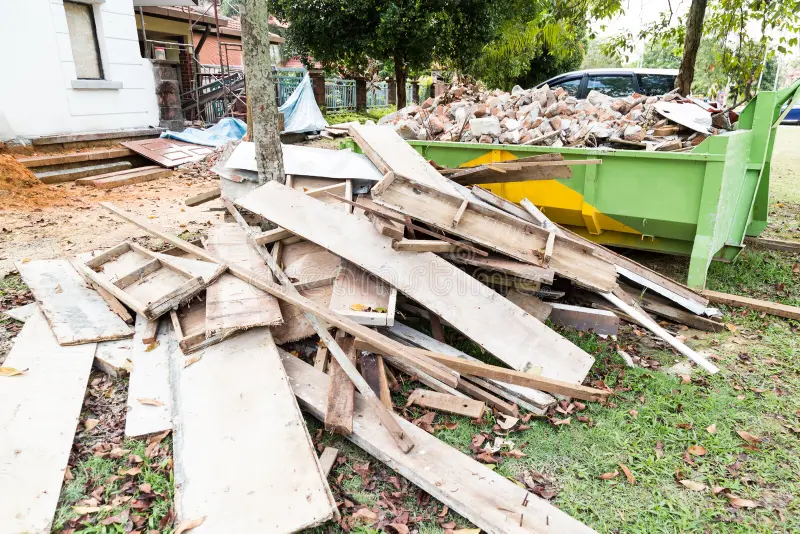
Have you ever started a home improvement project and ended up with more debris than you expected? Old drywall, broken cabinets, damaged trim, leftover wood, and scattered construction materials can quickly turn a clean workspace into a mess. Leaving this debris around doesn't just look untidy; it can also create tripping hazards and make the next stage of your project harder to complete.
Minor Debris Removal Services in Bradenton, FL can help homeowners manage the mess that comes with small repairs, property updates, and routine cleanup projects. Whether you're replacing a few cabinets, repairing a wall, or clearing unwanted materials from your garage, having a plan for debris makes the work easier.
The key is to understand what needs removing, how it should be handled, and when professional assistance makes sense. With a little preparation, you can keep your property safer, more organized, and ready for its next improvement.
1. Why Proper Debris Removal Matters for Homeowners?
Small renovation projects often create more waste than people anticipate. A bathroom update might leave broken tiles and packaging behind, while a simple drywall repair can produce dust, scraps, and leftover materials.
When debris piles up, it becomes harder to move tools, inspect the work area, and complete the remaining tasks. Sharp edges, loose nails, and broken pieces can also cause injuries if they're left where people walk.
Proper cleanup helps you:
-
Keep walkways and work areas clear.
-
Reduce tripping and other avoidable hazards.
-
Make tools and materials easier to access.
-
Prepare rooms for painting, flooring, or finishing work.
-
Keep outdoor spaces more presentable.
-
Identify materials that need special disposal.
Bradenton's warm, humid climate is another reason to manage waste promptly. Cardboard, wood scraps, and other materials left in damp areas may deteriorate, while accumulated debris can make a garage, shed, or storage space harder to maintain.
Consider a homeowner replacing a damaged section of drywall. The repair itself may take only a few hours, but leftover panels, dust, and packaging can prevent the room from being used comfortably. Removing those materials at the right time helps the project move forward.
A clean workspace isn't just about appearance. It makes repairs and improvements easier to manage from beginning to end.
2. Common Types of Minor Construction Debris
Not all project waste is the same. Understanding what you're dealing with helps you decide how to collect, transport, and dispose of it properly.
Drywall, wood, and renovation scraps
Small repair jobs may produce pieces of drywall, damaged baseboards, trim, plywood, or other wood offcuts. These materials should be gathered carefully, with sharp edges and protruding nails handled safely.
Broken cabinets and fixtures
Replacing old shelves, cabinet doors, drawer components, or certain fixtures can leave bulky items that don't fit in regular household rubbish bins. Breaking down an item may make it easier to handle, but only do so when it's safe and appropriate.
Packaging and leftover materials
Cardboard boxes, plastic wrapping, protective sheets, and unused packaging often accumulate during deliveries and renovations. Separate recyclable materials where local rules allow it.
Yard and outdoor project debris
Minor outdoor projects may create branches, leaves, damaged edging, or scraps from replacing small landscape features. Check local collection rules before placing yard waste at the curb.
Before arranging removal, make an inventory of the materials involved. Note whether the debris is loose, bagged, bulky, or difficult to access. Photos can also help a service provider understand the amount of work involved.
Keep hazardous materials separate from ordinary renovation waste. Paints, solvents, chemicals, batteries, and certain electronic items may require special disposal arrangements. Suspected asbestos-containing materials or other potentially hazardous building materials should not be disturbed or placed with ordinary debris. Seek qualified guidance where necessary.
3. How to Prepare for a Small Cleanup Project?
A little preparation can save time and reduce confusion when it's time to clear a work area. You don't need a complicated system; you simply need to know what needs to go, what should stay, and which materials require special handling.
Start by walking through the affected area. Identify the debris, estimate how much space it occupies, and check whether anything needs to be moved before removal can begin.
Follow these practical steps:
-
Separate reusable items. Set aside tools, hardware, and materials you plan to keep.
-
Sort the waste. Keep recyclable materials separate when practical and permitted.
-
Clear access routes. Make sure doors, hallways, and outdoor pathways are accessible.
-
Protect nearby belongings. Move furniture and fragile items away from the cleanup zone.
-
Identify special materials. Flag anything that may need professional or specialized disposal.
-
Confirm disposal arrangements. Find out which materials can be accepted and where they should go.
For example, if you're removing old shelving from a garage, separate reusable brackets and hardware before gathering the damaged boards. This prevents useful items from accidentally being discarded.
It's also helpful to decide whether you need debris removed during the project or after all work is complete. A larger renovation may benefit from multiple cleanup stages, while a small repair might only need one final collection.
If you're hiring a provider, describe the project honestly. Mention bulky pieces, stairs, limited access, and any unusual materials. Accurate information helps the provider determine the equipment, labor, and disposal arrangements that may be needed.
4. When Minor Demolition and Debris Removal Go Together?
Some home improvement jobs involve more than collecting loose waste. You may need to remove an old shelf, dismantle a small nonstructural fixture, take out damaged trim, or clear components before installing something new.
These tasks can involve minor demolition, but the scope matters. Removing a small cabinet is very different from altering a wall or disturbing building systems.
Minor Demolition Services in Bradenton, FL may be relevant when a project includes limited removal work followed by cleanup. Before scheduling, confirm whether the provider handles both the removal and debris disposal or whether those tasks need separate arrangements.
Know what should be checked first
Before dismantling any fixture or built-in feature, consider whether it contains plumbing, electrical wiring, gas connections, or other services. Shutoffs and disconnections should be handled appropriately by qualified professionals when required.
You should also determine whether the component is structural. Never assume a wall, post, or built-in element can be removed simply because it looks small.
A sensible approach includes:
-
Identifying exactly what will be removed.
-
Checking for hidden utilities and possible hazards.
-
Protecting nearby floors, cabinets, and furnishings.
-
Confirming whether permits or specialist trades are required.
-
Planning where the resulting debris will go.
For instance, removing an old freestanding storage unit may be straightforward, but dismantling a built-in structure attached to a wall could require more careful assessment.
Keep the project within a safe, clearly defined scope. If you discover unexpected wiring, pipes, structural components, or potentially hazardous materials, stop and get appropriate professional guidance before proceeding.
5. Choosing a Reliable Debris Removal Provider
Finding help is easier when you know what questions to ask. Not every handyman or cleanup provider handles the same materials, project sizes, or disposal requirements.
Start by describing the work you need completed. Explain whether the job involves a few bags of renovation scraps, bulky furniture, old fixtures, or debris left after a small demolition project.
When comparing providers, consider the following:
Confirm the services offered
Ask whether the provider handles collection, loading, transportation, disposal, and any minor removal work you require. Don't assume every service is automatically included.
Request a clear estimate
Ask what the quoted price covers. The amount of debris, weight, access conditions, labor, and disposal fees may affect the final cost.
Discuss timing and access
Explain when the area will be ready and whether the debris is located inside the house, in a garage, or outdoors. Mention stairs, narrow passages, and parking limitations.
Ask about disposal practices
A responsible provider should be able to explain how ordinary debris is handled and which materials they cannot accept. Local disposal facilities may have specific requirements.
SRG Handymen is a business homeowners can contact to discuss suitable handyman and property cleanup needs in the Bradenton area. Before booking, confirm the company's current availability, the exact work offered, and whether your specific debris can be handled.
Clear expectations help avoid delays and make it easier to plan the remaining stages of your project.
6. Keep Cleanup Costs and Project Delays Under Control
Debris removal is easier to budget for when it's considered before work begins. Waiting until the end of a project to think about waste can create unexpected expenses, especially when bulky items or special disposal requirements are involved.
Start by including cleanup in your original project plan. Estimate the type and quantity of waste, identify materials that may be reusable, and check local disposal options.
You can also reduce unnecessary waste by measuring carefully before cutting materials and keeping usable offcuts organized. If a fixture or cabinet can be reused safely, consider whether doing so makes sense before discarding it.
Here are a few additional ways to stay organized:
-
Gather small scraps regularly instead of allowing them to spread.
-
Keep recyclable materials separate when practical.
-
Avoid mixing potentially hazardous waste with ordinary debris.
-
Schedule removal before debris blocks access to the work area.
-
Confirm any disposal charges before work begins.
-
Leave final surface cleaning until the larger debris has been removed.
A useful example is a small flooring project. Removing the old material may create several bags or bulky pieces of waste. Planning for collection in advance helps prevent the discarded flooring from occupying a garage or driveway for longer than necessary.
Don't cut corners on safety to save money. Heavy loads, sharp materials, and unknown building components may require appropriate equipment or specialized assistance. A realistic budget should account for safe handling as well as transportation and disposal.
Conclusion: Clear the Debris and Move Your Project Forward
A small repair or renovation can improve your property, but leftover waste can make the finished space feel incomplete. Planning ahead, sorting materials, keeping walkways clear, and arranging proper disposal all help make the process more manageable.
Whether you're updating a room, replacing damaged fixtures, clearing a garage, or finishing a minor improvement project, think about debris removal before the waste starts piling up. Minor Debris Removal Services in Bradenton, FL can be an option for homeowners who need help managing suitable renovation scraps and unwanted materials.
SRG Handymen can be contacted to discuss your project requirements and confirm whether the work you need is available. Explain the type and amount of debris, request a clear estimate, and verify disposal arrangements before scheduling. Take the next step toward a cleaner, safer, and more organized property.

 English
 French
 Spanish
 Portuguese
 Deutsch
 Turkish
 Dutch
 Italiano
 Russian
 Romaian
 Portuguese (Brazil)
 Greek