


A heavy rainstorm can reveal problems around your home that you might not notice on a sunny day. Water dripping from the roof edges, puddles near the garage, or muddy patches beside the house may indicate that your drainage system needs attention. While gutters often go unnoticed, they play a major role in protecting your property's exterior and surrounding landscape.
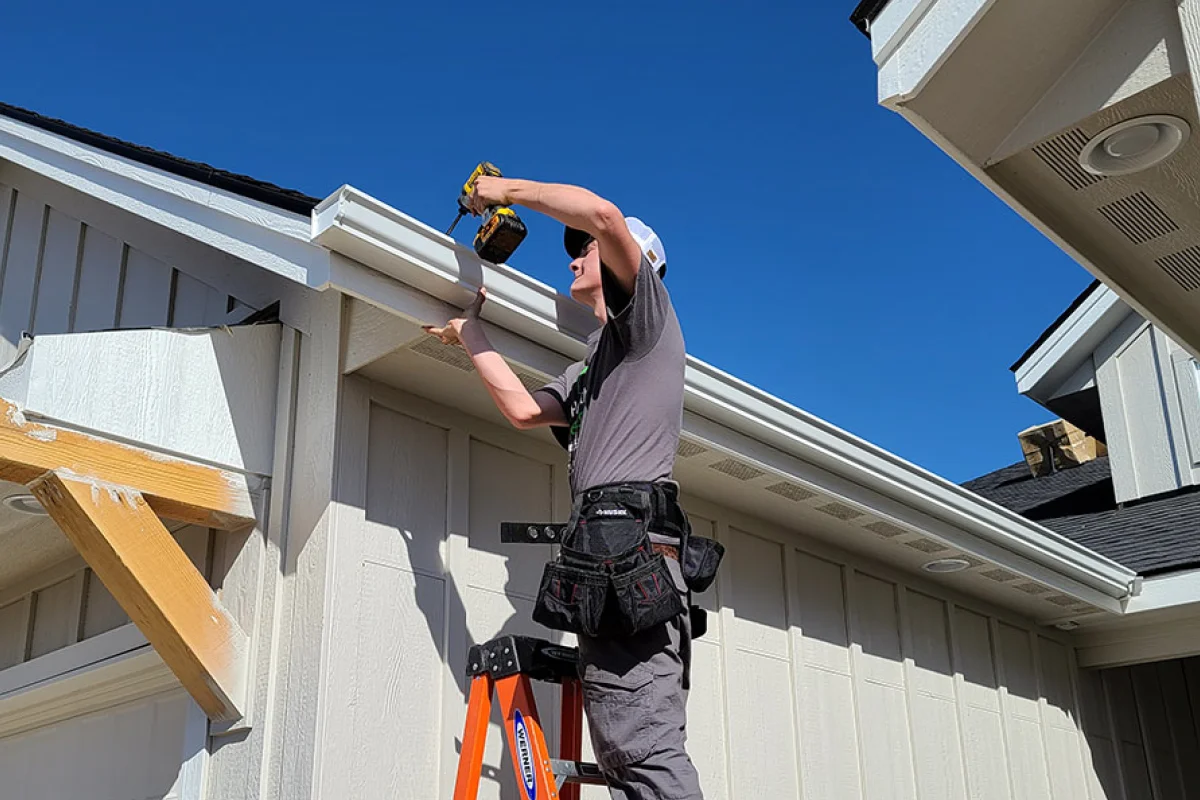
For homeowners looking to improve their drainage, professional Gutter Installation Services in Port Huron, MI can provide a practical solution. The right gutter system collects roof runoff and directs it toward appropriate drainage areas instead of allowing water to fall wherever it pleases.
CMFS Gutter Services helps property owners address common gutter concerns through installation, cleaning, and inspections. Understanding how gutters work, what causes drainage problems, and how to maintain the system can help you make better decisions for your home.
How Gutters Help Prevent Everyday Water Problems?
Rainwater may seem harmless, but repeated exposure can gradually affect different parts of a property. When water runs directly off the roof without proper control, it can wash away soil, splash dirt onto siding, and collect near the foundation.
A functional gutter system creates a controlled path for rainwater. Gutters collect runoff along the roofline, while downspouts carry it toward designated discharge points. When these components work together, they help reduce unnecessary moisture around vulnerable areas.
Consider a home with a flower bed directly beneath the roof edge. After several storms, the soil may become displaced, plants may suffer, and water could begin collecting against the house. Properly positioned gutters and downspouts can help manage that runoff more effectively.
Here are several areas where good drainage makes a difference:
-
Roof edges: Gutters help control runoff and reduce repeated water exposure around the fascia.
-
Exterior walls: Directing rainwater into the drainage system helps limit splashing and water stains.
-
Walkways and entrances: Controlled runoff can reduce puddles near frequently used areas.
-
Landscaping: Proper water direction helps protect mulch, garden beds, and exposed soil.
-
Foundation surroundings: Moving water away from the house helps reduce excessive moisture near the structure.
Gutters cannot solve every drainage issue on their own, but a properly designed system is an important part of overall home maintenance.
Common Gutter Problems Homeowners Should Recognize
Gutter issues often develop gradually. A small blockage or loose connection might not seem serious at first, but ignoring it can lead to recurring leaks and water overflow.
One common problem is improper drainage. If gutters lack the correct slope, water may remain in certain sections instead of flowing toward the downspouts. Standing water adds weight to the system and may contribute to sagging or deterioration.
Blocked downspouts are another frequent concern. Leaves, twigs, and roof debris can collect inside the drainage path, preventing water from exiting properly. During a storm, the backed-up water may spill over the gutter edges.
Homeowners should watch for these warning signs:
-
Water spilling over the sides during rainfall.
-
Gutters pulling away from the roofline.
-
Loose or damaged brackets.
-
Visible rust, cracks, or separated joints.
-
Water collecting near the home's foundation.
-
Stains or peeling paint beneath the roof edges.
The cause matters when deciding how to address a problem. For example, a single leaking joint may need a straightforward repair, while multiple damaged sections could indicate that replacement deserves consideration.
Checking the system periodically allows homeowners to identify problems before they become more disruptive. If you notice repeated overflow despite cleaning, have the gutter layout, slope, and capacity evaluated rather than assuming debris is the only issue.
Selecting Gutter Materials That Suit Your Property
Choosing gutters involves more than matching a color to your home's exterior. Material quality, roof design, maintenance expectations, and installation requirements all influence the decision.
Aluminum is widely used in residential applications because it's lightweight, available in different finishes, and resistant to rust. It can be a practical option for many homes, although it may dent if struck by heavy objects.
Vinyl gutters offer another option for homeowners working with a limited budget. They don't rust and are relatively lightweight, but product quality and exposure to changing temperatures can affect long-term performance.
Steel gutters are known for their strength. Depending on the type and protective coating, they may require attention to prevent corrosion, particularly if the surface becomes damaged.
Seamless gutters are manufactured to fit a property's measurements, reducing the number of joints along each run. Fewer joints can mean fewer potential leak points, although corners, outlets, and connections still need proper installation.
Before choosing a system, consider the following questions:
-
Does the material suit your budget and maintenance preferences?
-
Can the system handle the expected roof runoff?
-
Are the downspout locations suitable for your property's layout?
-
Does the selected style complement the home's exterior?
-
What installation warranty or product warranty is available?
A professional assessment can help you compare these options without paying for features your property doesn't need. The goal is a durable, properly fitted drainage system that serves your home well over time.
Why Regular Gutter Maintenance Deserves Attention?
Even a new gutter system needs routine maintenance. Wind can carry leaves onto the roof, nearby trees can drop branches, and roofing materials may shed small particles into the channels. As debris accumulates, water flow can slow or stop completely.
Scheduling Gutter Cleaning Services in Port Huron, MI can help remove buildup from gutter channels and downspouts before blockages create recurring drainage problems.
How often should gutters be cleaned? There's no single schedule that works for every property. A house beneath several mature trees may require more frequent cleaning than one in an open area. Seasonal changes and recent storms can also influence how quickly debris accumulates.
A sensible maintenance routine includes:
-
Looking for visible debris and overflow after heavy rainfall.
-
Checking whether downspouts discharge water freely.
-
Watching for sagging sections or loose fasteners.
-
Inspecting accessible areas for cracks, leaks, and corrosion.
-
Arranging cleaning when buildup becomes noticeable.
Safety should always come first. Climbing a ladder while gutters are wet or reaching across a roof edge can result in serious injury. If the roofline is high, the ground is uneven, or the work requires uncomfortable positioning, professional help is the safer choice.
Maintenance also provides an opportunity to identify small defects. A loose bracket or minor leak can often be addressed before it contributes to larger problems. Keeping simple records of cleaning and repairs can help you recognize recurring trouble spots and plan future maintenance more effectively.
Preparing Your Home for Seasonal Weather Changes
Seasonal preparation is particularly useful when outdoor conditions change. Falling leaves can block drainage channels, while winter weather can introduce additional concerns related to freezing water and accumulated ice.
Before the colder months arrive, inspect your gutters for loose sections, damaged joints, and blocked outlets. Clearing debris allows rainwater to move through the system more freely before temperatures drop.
During spring, check for damage that may have developed over winter. Look for displaced brackets, separated joints, and areas where water no longer follows the intended drainage path. Summer storms may also reveal weaknesses through sudden overflow or water collecting around the property.
A simple seasonal checklist can help:
Autumn
-
Remove accumulated leaves and twigs.
-
Check downspouts for blockages.
-
Inspect gutter connections and fasteners.
Winter
-
Watch for unusual ice buildup from a safe location.
-
Avoid chipping ice from gutters or climbing onto icy roofs.
-
Seek professional advice if recurring ice problems develop.
Spring
-
Examine visible sections for storm damage.
-
Check for leaks during rainfall.
-
Review areas where soil erosion or puddles appeared previously.
Summer
-
Inspect the system after strong storms.
-
Check for branches or other debris.
-
Confirm that downspouts direct runoff away from the home.
These steps don't guarantee that every weather-related issue will be avoided, but they help homeowners identify potential concerns early and maintain more dependable drainage.
Finding a Reliable Gutter Professional
When choosing a gutter contractor, look beyond the initial price. A low estimate may not include every necessary component, and unclear project details can lead to confusion once the work begins.
Ask for an estimate that explains the proposed materials, gutter dimensions, downspout placement, labor, and any additional charges. You should also understand whether the project includes removing old gutters, disposing of existing materials, and checking water flow after installation.
A reliable professional should be willing to explain the recommended approach in straightforward language. If your property has recurring overflow, ask whether the issue may involve gutter capacity, roof runoff, poor slope, or blocked drainage outlets.
CMFS Gutter Services provides gutter solutions for homeowners and property owners in Port Huron. Whether you're planning a new installation, arranging routine cleaning, or investigating visible gutter damage, discussing your concerns with a service professional can help you understand the available options.
Before approving any work, make sure the scope is clear and ask questions about maintenance requirements. A little research at the beginning can help you avoid unnecessary expenses and make a more informed decision.
Conclusion
Gutters may not be the most noticeable feature of a house, but they have an important job. By collecting rainwater and directing it away from vulnerable areas, they help protect exterior surfaces, landscaping, and the ground surrounding your foundation.
Regular inspections, timely cleaning, and suitable materials all contribute to better drainage. If your current system leaks, overflows, or shows signs of deterioration, addressing the problem early may help prevent additional damage.
CMFS Gutter Services is available to help property owners explore practical gutter solutions for their homes. Contact the team to discuss your drainage concerns, learn about installation and maintenance options, and request an estimate for your property.

 English
 Arabic
 French
 Spanish
 Portuguese
 Deutsch
 Turkish
 Dutch
 Russian
 Romaian
 Portuguese (Brazil)
 Greek