


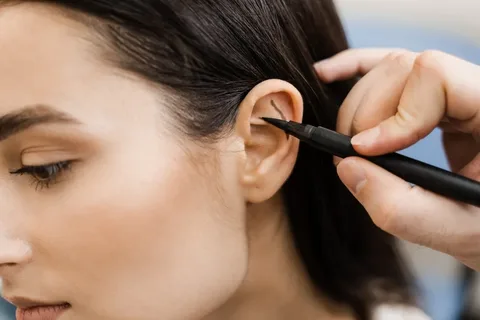
The ears contribute to the overall balance of the face, and differences in their shape or position can sometimes become a source of concern. Individuals with prominent ears, uneven contours, or unusual cartilage folds may look for ways to improve their appearance without changing their other facial features. Ear Reshaping in Islamabad offers a surgical option for suitable candidates who want to achieve a more balanced ear shape through personalized treatment.
At Enfield Royal Clinic in Islamabad, individuals can enquire about ear reshaping procedures and learn about the options available for their particular concerns. Understanding the procedure, its benefits, and the recovery process can help patients make informed decisions about cosmetic surgery.
What Is the Purpose of Ear Reshaping?
Ear reshaping, medically known as otoplasty, is a surgical procedure designed to improve the shape, position, or proportions of the outer ears. It is commonly considered by people whose ears protrude noticeably from the head or have structural differences that affect their appearance.
The outer ear is formed by cartilage covered with skin. The shape of this cartilage determines the natural folds, curves, and angles of the ears. When these structures develop differently, the ears may appear prominent or uneven.
Otoplasty involves modifying the cartilage to address selected concerns. Depending on the patient's anatomy, the surgeon may create more defined folds, reposition the ears, or adjust specific structural features. The goal is to improve appearance while preserving a natural-looking result.
What Are the Common Reasons for Ear Reshaping?
People consider ear reshaping for different personal and aesthetic reasons. Some have been concerned about prominent ears since childhood, while others want to improve visible differences in ear contours.
Common concerns include:
-
Prominent ears: Ears that project farther from the head than desired.
-
Uneven ear positioning: Differences in the angle or placement of the ears.
-
Irregular cartilage folds: Structural features that affect the natural contour of the ears.
-
Congenital ear differences: Selected structural concerns present from birth.
-
Certain injury-related deformities: Changes in ear shape that may require specialist assessment.
A consultation helps determine whether the concern can be improved through otoplasty and what outcome is realistically achievable. Not every difference requires surgery, and the treatment decision should be based on individual preferences and professional advice.
How Does Ear Reshaping Work?
The process begins with a consultation and examination. The surgeon evaluates the cartilage structure, ear positioning, and overall facial proportions. Medical history and expectations are reviewed to establish whether surgery is suitable.
During the procedure, an incision is commonly made behind the ear or within a natural crease. The surgeon then reshapes or repositions the cartilage using an appropriate surgical technique. Sutures may be used to maintain the desired contour before the incision is closed.
The procedure often takes approximately one to three hours, depending on the complexity of the correction. Anesthesia options may include local anesthesia with or without sedation, or general anesthesia when appropriate.
Individuals researching Ear Reshaping in Islamabad should ask about the proposed technique, the surgeon's experience, the expected outcome, and the potential risks before deciding to proceed.
Who Is a Suitable Candidate?
Ear reshaping may be suitable for adults who want to address prominent ears or selected cartilage irregularities. Children may also be considered after sufficient ear development, commonly around five to six years of age, following an appropriate specialist assessment.
Suitable candidates generally have realistic expectations and understand the recovery process. Good overall health and the ability to follow postoperative instructions are also important.
People with previous ear surgery, conditions that affect wound healing, or a history of abnormal scarring should discuss these factors during their consultation. A qualified surgeon can explain whether the procedure is appropriate and whether any additional precautions are needed.
What Benefits Can Ear Reshaping Provide?
One potential benefit of otoplasty is improved balance between the ears and other facial features. When prominent ears are repositioned appropriately, they may appear less noticeable from the front and side.
Other potential benefits include improved ear contours, correction of selected structural irregularities, and long-lasting changes in ear position. Some patients also report greater comfort with their appearance after addressing a concern that has affected them for years.
However, results vary according to the original ear structure, surgical technique, and individual healing. Perfect symmetry cannot be guaranteed. A successful treatment plan focuses on realistic improvement and a natural appearance.
What Should You Expect During Recovery?
Recovery after ear reshaping varies from person to person. Mild discomfort, swelling, bruising, and tenderness are common during the initial healing period.
A protective dressing may be applied after surgery, and a supportive headband may be recommended to protect the ears during recovery. Patients should follow their surgeon's instructions regarding wound care, sleeping positions, medication, and follow-up visits.
Many people return to light daily activities within approximately one week. Strenuous exercise and contact sports may need to be avoided for several weeks to protect the healing cartilage.
Patients should avoid putting pressure on the ears and should seek medical advice if they develop increasing pain, fever, significant redness, or unusual discharge.
Are There Any Possible Risks?
Like other surgical procedures, otoplasty carries potential risks. These include infection, bleeding, visible scarring, temporary changes in sensation, asymmetry, cartilage irregularities, and dissatisfaction with the outcome. In some cases, the ears may become prominent again or further surgery may be required.
Before treatment, patients should receive a clear explanation of these risks and the steps involved in postoperative care. Confirming the surgeon's qualifications and the suitability of the surgical facility is an important part of making an informed decision.
Why Consider Enfield Royal Clinic in Islamabad?
Choosing a clinic for cosmetic surgery involves considering medical qualifications, surgical experience, patient communication, safety standards, and follow-up arrangements.
At Enfield Royal Clinic in Islamabad, individuals interested in ear reshaping can enquire about consultation options and discuss their concerns with the treating professional. Before scheduling surgery, patients should confirm who will perform the procedure, the surgeon's credentials, the recommended technique, and the availability of postoperative monitoring.
For further information, visit Enfield Royal Clinic Islamabad and enquire about the services relevant to your needs.
Is Ear Reshaping Worth Considering?
Ear reshaping may be an option for people who want to improve prominent ears, selected cartilage irregularities, or differences in ear positioning. The most appropriate approach depends on individual anatomy, medical history, and expectations.

 English
 Arabic
 French
 Spanish
 Portuguese
 Deutsch
 Turkish
 Dutch
 Italiano
 Russian
 Portuguese (Brazil)
 Greek