


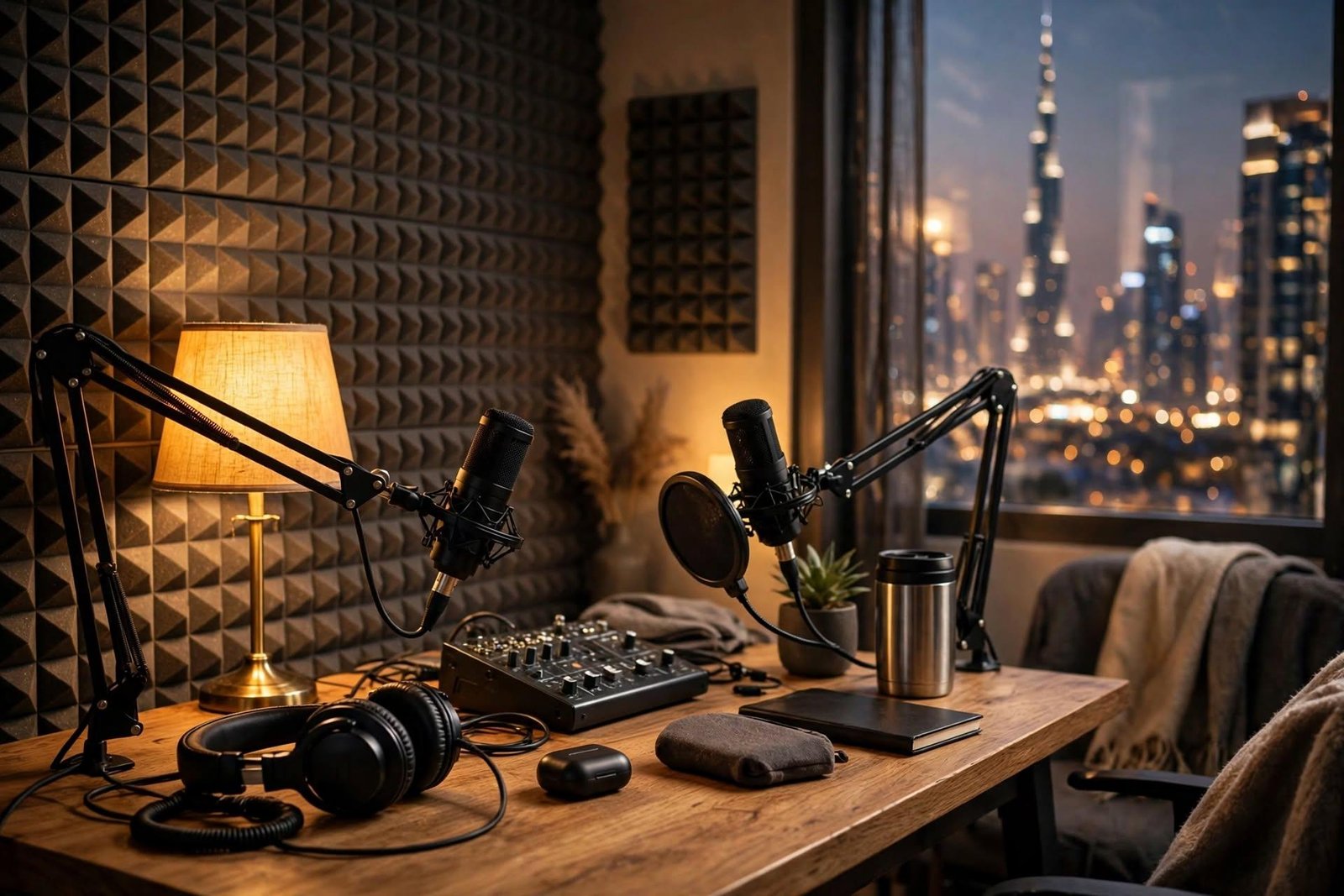
Producing useful podcast content requires more than sitting down for a conversation. Hosts need a suitable recording environment, a clear plan for each session, and an understanding of how the finished material will be published. For creators and businesses exploring a podcast in dubai, combining professional recording with planned video editing can make each session more productive without adding unnecessary complexity.
Choosing a Recording Setup That Fits the Project
The first decision is understanding what the project needs to deliver. A solo discussion, a two-person interview, and a multi-guest conversation can require different arrangements. Identifying the number of speakers, the type of discussion, and the intended video format helps determine the most appropriate studio setup.
Professional recording facilities can be particularly useful when a project requires both high-quality audio and video. A 4K multi-camera arrangement captures different angles, while professional microphones and acoustic treatment support clear sound. Cinematic lighting helps the participants appear well-presented on camera, and a live preview allows the team to review framing during the session.
Location and technical support also affect the recording experience. A studio in Business Bay offers a central Dubai location, while on-site production assistance means hosts do not have to manage every technical detail themselves. This can be helpful for business owners, creators and invited guests who want to concentrate on the discussion.
Before confirming a booking, consider these practical points:
How many people will participate in the recording?
Is the project intended for audio, video or both?
Will the final deliverables include short-form clips?
Is editing required alongside the recording session?
Answering these questions early makes it easier to select a suitable package and communicate requirements before arriving at the studio.
Making the Recording Session More Productive
A well-organised session gives the host more time to concentrate on the content. Begin by preparing a short topic outline, checking guest names and confirming the main points that need to be discussed. The outline should guide the conversation rather than restrict it to a rigid script.
It is also useful to identify the most important questions before recording. If the episode includes an interview, arrange the questions in a logical sequence, moving from background information to the main discussion and then to practical takeaways. This structure helps the guest settle into the conversation and gives the episode a clear direction.
A Dubai Podcast Studio provides a prepared recording environment with professional microphones, a multi-camera setup and on-site technical support. With equipment and recording arrangements handled by the production team, participants can focus on explaining their ideas and responding naturally to one another.
Allow time for microphone checks, camera framing and a brief warm-up before the main discussion. These steps help identify simple problems before they affect the recording. Hosts should also keep water nearby and avoid rushing through questions just to finish within a particular time.
When recording several episodes in one visit, prepare a separate outline for each topic. Confirm which guests are attending each discussion and organise the required notes in advance. This approach creates a more predictable workflow and reduces the need to make planning decisions while the studio session is underway.
Planning Video Editing Before the Cameras Roll
Editing requirements should influence the recording plan from the beginning. A project intended only for a complete YouTube episode may need different deliverables from a project that also requires vertical social media clips. Discussing these needs in advance helps the team capture and organise the material appropriately.
Multi-camera footage gives editors more than one visual angle to work with. During a long discussion, the final edit can switch between speakers to follow the conversation and keep the presentation visually varied. Clean audio, consistent lighting and clear framing provide a stronger foundation for the editing process.
After recording, professional editing can include sound mastering, colour grading, intro and outro creation, and platform-specific formatting. Shorter clips may also include subtitles, music, visual effects and supporting footage where suitable. These services help prepare the material for different publishing requirements.
For example, a twenty-minute interview might contain a useful explanation that can stand alone as a short video. The full episode provides context, while a carefully selected extract can introduce the main idea to people who have not watched the entire conversation. The shorter version should still preserve the speaker's meaning and avoid removing information necessary to understand the point.
The Dubai Podcast Studio offers recording and video editing services that can support projects requiring full-length episodes as well as short-form content. Confirming the intended outputs before the session helps establish realistic expectations for editing, delivery and publication.
Organising Delivery and Future Publishing
Recording is only one part of a reliable content process. Once the session ends, the team needs to know which files are required, who will review the material and where each finished version will be published. Establishing these details early reduces confusion during post-production.
For a project involving both long-form and short-form videos, create a simple delivery plan. Identify the main episode, any requested clips and the platforms where the content will appear. Different platforms may require different aspect ratios, lengths or formatting, so the publishing plan should guide the final export requirements.
It is equally important to agree on the review process. Decide who will check the episode, how feedback will be shared and whether revisions are required before publication. Clear responsibilities make it easier to move from raw footage to approved content without unnecessary delays.
Booking duration should match the intended workload. A short session may be appropriate for one interview, while a half-day or full-day package may better suit a project involving multiple episodes. Selecting the right duration helps leave room for preparation, recording and review rather than treating the entire booking as uninterrupted speaking time.
A repeatable workflow does not need to be complicated. Keep the episode outline, guest information, technical requirements and delivery list together for each session. Reviewing this information before the next booking helps the team identify what worked well and what could be improved.
Conclusion
Professional podcast production works best when recording and editing are planned together. A suitable studio setup supports clear audio and polished video, while preparation helps speakers use their time effectively. Short-form editing can also make a full conversation useful across several publishing formats. If you are considering a Dubai Podcast Studio, review the available recording and post-production services to find an arrangement that matches your project and intended deliverables.
FAQs
What should be decided before booking a recording session?
Confirm the number of speakers, episode topic, expected recording duration and whether you need audio, video or edited clips.
What equipment is available for video podcast recording?
The studio offers 4K multi-camera recording, professional microphones, acoustic treatment, cinematic lighting and on-site technical support.
Can a recorded episode be edited for different platforms?
Yes. Editing services can prepare full-length episodes and short clips formatted for platforms such as YouTube, Instagram and TikTok.
Is it possible to record multiple episodes in one booking?
A half-day or full-day package may suit projects that involve several episodes. The best option depends on the recording schedule and production requirements.
Why should editing needs be discussed in advance?
Planning the deliverables early helps the production team understand the required formats and allows the recording session to support the intended final content.

 Arabic
 French
 Spanish
 Portuguese
 Deutsch
 Turkish
 Dutch
 Italiano
 Russian
 Romaian
 Portuguese (Brazil)
 Greek