


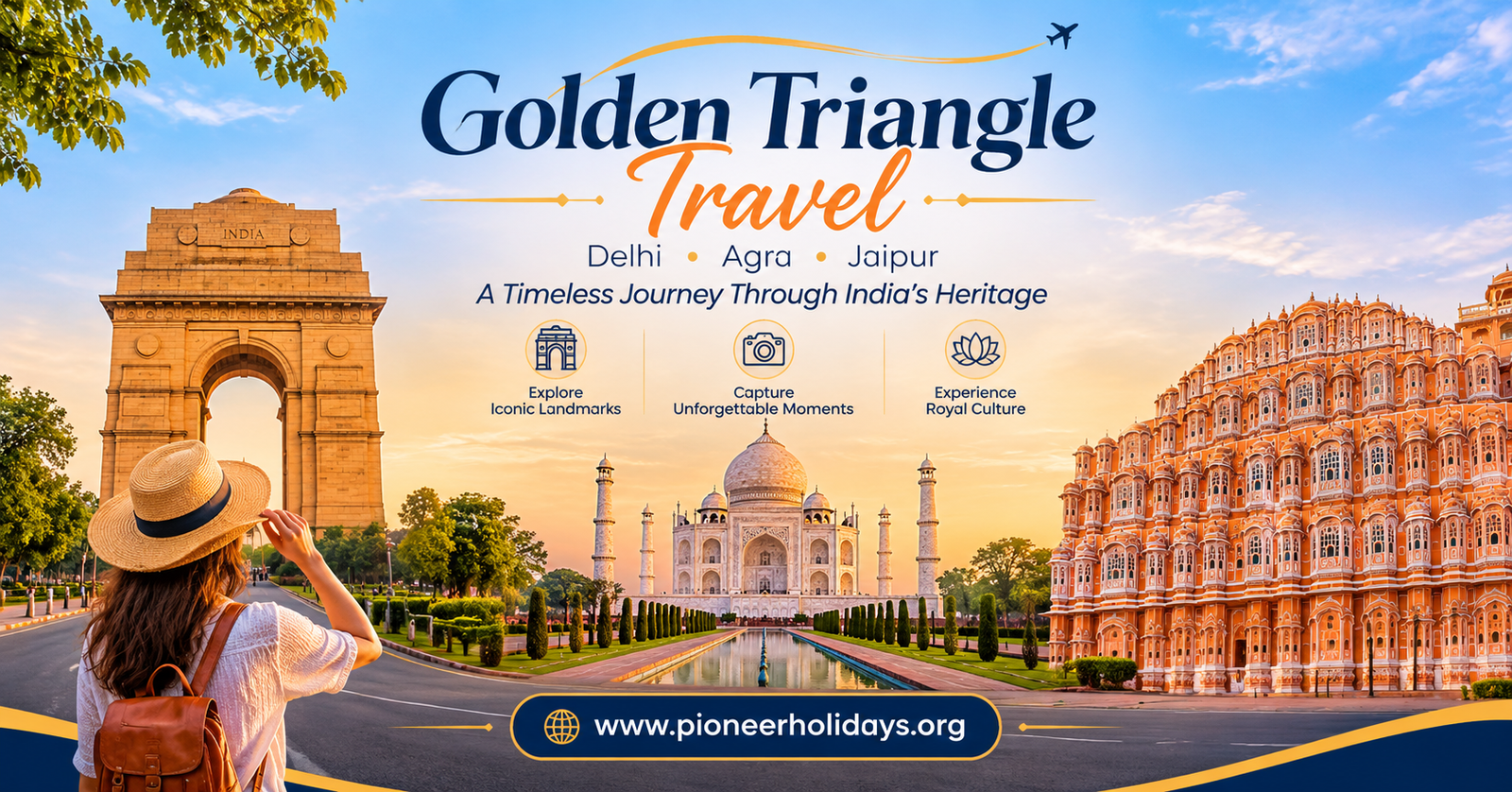
India's heritage is reflected in its magnificent forts, ancient monuments, royal palaces, traditional markets, religious landmarks, and diverse cultural traditions. For international travellers who want to understand the country's history and lifestyle, exploring the right destinations can make all the difference.
Golden Triangle Tours offer an excellent opportunity to experience India's heritage through three historically important cities: Delhi, Agra, and Jaipur. Each destination represents a different chapter of Indian history, from Mughal architecture and royal Rajput traditions to the cultural influences that shaped modern India.
Beyond visiting famous monuments, travellers can explore local neighbourhoods, taste regional food, discover traditional handicrafts, and interact with local communities. With a well-planned itinerary, this journey becomes much more than a sightseeing holiday.
1. Discover India's Historical Heritage in Delhi
<AsyncImage query="Delhi Red Fort Humayun Tomb Qutub Minar historical monuments India" aspectRatio="16:9" width="100%"/>
Delhi is an ideal starting point for understanding India's historical development. The city has witnessed the rise and fall of several kingdoms and empires, leaving behind an impressive collection of historical landmarks.
The Red Fort is one of the most recognised monuments in the capital and reflects the architectural achievements of the Mughal period. Qutub Minar showcases early Indo-Islamic architecture, while Humayun's Tomb is known for its beautiful gardens and Mughal design.
However, Delhi's heritage is not limited to monuments. Old Delhi offers a closer look at traditional Indian lifestyles through its narrow streets, historic markets, mosques, and local food stalls.
Visitors can explore Chandni Chowk, discover traditional Indian sweets, and experience the atmosphere of one of the city's oldest commercial areas.
Travel tip: Consider hiring a knowledgeable local guide to understand the historical background of Delhi's monuments. A guided walk through Old Delhi can also help visitors discover cultural details they might otherwise miss.
2. Explore Mughal Architecture and Heritage in Agra
<AsyncImage query="Taj Mahal Agra white marble monument gardens India" aspectRatio="16:9" width="100%"/>
Agra is an essential destination for travellers interested in India's Mughal heritage. The city is internationally famous for the Taj Mahal, a UNESCO World Heritage Site and one of the finest examples of Mughal architecture.
Commissioned by Emperor Shah Jahan in memory of Mumtaz Mahal, the monument is admired for its white marble construction, detailed inlay work, symmetrical gardens, and impressive craftsmanship.
Another important attraction is Agra Fort. This historic complex provides insight into Mughal royal life, military architecture, and the history of the empire.
Visitors interested in traditional arts can also explore local marble workshops, where artisans create decorative objects using techniques inspired by the craftsmanship seen in historic monuments.
Agra's food culture adds another dimension to the experience. Local specialities include petha, Mughlai dishes, and traditional sweets.
Travel tip: Visit the Taj Mahal early in the morning for a more comfortable sightseeing experience. Check its official opening schedule before planning your visit, as it remains closed every Friday.
3. Experience Rajasthan's Royal Heritage in Jaipur
<AsyncImage query="Jaipur Amber Fort Hawa Mahal City Palace Rajasthan India" aspectRatio="16:9" width="100%"/>
Jaipur introduces visitors to the royal traditions and architectural heritage of Rajasthan. Known as the Pink City, it is famous for its historic palaces, impressive forts, colourful markets, and traditional craftsmanship.
Amber Fort is among Jaipur's most important attractions. Its courtyards, decorative halls, and intricate architectural details reflect the artistic achievements of Rajasthan's former royal families.
City Palace offers another opportunity to understand royal lifestyles, while Hawa Mahal is recognised for its distinctive façade and numerous windows. Jantar Mantar, a UNESCO World Heritage Site, showcases the scientific achievements of the eighteenth century.
Jaipur's traditional markets are equally interesting. Visitors can discover handmade jewellery, block-printed textiles, blue pottery, and colourful handicrafts.
Food lovers should also try regional dishes such as dal baati churma, gatte ki sabzi, and traditional Rajasthani thalis.
Travel tip: Allow time to explore Jaipur's markets and local restaurants. These experiences provide a better understanding of Rajasthan's living traditions beyond its famous monuments.
4. How Golden Triangle Tours Help Travellers Understand Indian Culture
The real value of this travel circuit lies in the variety of experiences available within one journey.
Delhi, Agra, and Jaipur each offer different historical and cultural perspectives. Together, they help visitors understand how India's architecture, traditions, food, and regional identities have developed over centuries.
Here are some meaningful experiences to include:
-
Architectural heritage: Explore Mughal tombs, historic forts, royal palaces, and traditional buildings.
-
Religious traditions: Visit historic temples, mosques, and other important places of worship.
-
Local cuisine: Taste regional dishes and learn about India's diverse culinary traditions.
-
Traditional craftsmanship: Discover marble inlay work, jewellery, textiles, pottery, and handmade souvenirs.
-
Cultural interactions: Explore local markets, take guided walks, and learn about everyday life from local residents.
Choosing private transportation and knowledgeable guides can make these experiences more comfortable, particularly for international travellers visiting India for the first time.
5. Choose the Right Duration and Extend Your Heritage Journey
The amount of time available plays an important role in deciding how much of India's heritage you can explore.
| Tour duration | Recommended experience |
|---|---|
| 2 Days | Short visit covering selected highlights |
| 3 Days | Essential sightseeing across three cities |
| 4 Days | Balanced historical and cultural exploration |
| 5 Days | Additional time for markets and local experiences |
| 6 Days | More relaxed sightseeing and flexible schedules |
Travellers with limited time can consider a 2 Days Golden Triangle Tour or 3 Days Golden Triangle Tour.
For a more comfortable experience, a 4 Days Golden Triangle Tour or 5 Days Golden Triangle Tour allows additional sightseeing opportunities. Those who prefer a slower pace can explore a 6 Days Golden Triangle Tour.
Travellers with more time can also extend their journey:
-
Wildlife and nature enthusiasts can choose a Golden Triangle Tour with Ranthambore.
-
Those interested in spirituality can explore a Golden Triangle Tour with Varanasi.
-
Visitors interested in Sikh heritage can consider a Golden Triangle Tour with Amritsar.
-
Travellers interested in royal architecture and lakeside scenery can enjoy a Golden Triangle Tour with Udaipur.
-
For a deeper Rajasthan experience, a Golden Triangle Tour with Jodhpur and Udaipur offers additional opportunities to discover historic forts and palaces.
6. Practical Tips for Enjoying India's Heritage Responsibly
A little preparation can make your cultural journey more rewarding.
-
Choose the right season: October to March is generally comfortable for sightseeing across Delhi, Agra, and Jaipur.
-
Respect religious customs: Dress appropriately at religious sites and follow local instructions regarding footwear and photography.
-
Hire experienced guides: Historical explanations help you understand the cultural importance of monuments.
-
Support local artisans: Purchase genuine handicrafts from reputable shops and learn about traditional production methods.
-
Avoid rushing: Allow enough time to explore attractions rather than trying to cover everything in one day.
-
Follow monument guidelines: Respect restricted areas and avoid touching delicate historical structures.
Responsible travel helps preserve India's heritage while supporting the communities that continue to maintain its cultural traditions.
Frequently Asked Questions
1. What are the main heritage attractions covered in this journey?
Popular attractions include the Red Fort, Qutub Minar, Taj Mahal, Agra Fort, Amber Fort, City Palace, Hawa Mahal, and Jantar Mantar.
2. How many days are recommended for exploring India's heritage?
Four to six days is a comfortable duration for exploring Delhi, Agra, and Jaipur while allowing time for local markets and cultural experiences.
3. Are Golden Triangle trips suitable for international tourists?
Yes. The route is popular among international visitors because it combines important historical destinations, established tourist facilities, accommodation choices, and convenient road connections.
Conclusion
Exploring India's heritage becomes more meaningful when travellers experience its history, architecture, food, and traditions together. Golden Triangle Tours bring these experiences into one journey through Delhi, Agra, and Jaipur.
From Mughal monuments and historic neighbourhoods to Rajasthan's royal palaces and traditional handicrafts, every destination offers a different perspective on India's cultural identity.
With sufficient time, knowledgeable local guides, and a thoughtfully planned itinerary, visitors can enjoy a deeper understanding of the country. Travellers looking for private and flexible travel arrangements can explore Golden Triangle Tours offered by Pioneer Holidays.
Visit Pioneer Holidays to discover different itineraries and plan a heritage journey suited to your interests, travel dates, and preferred pace.

 Arabic
 French
 Spanish
 Portuguese
 Deutsch
 Turkish
 Dutch
 Italiano
 Russian
 Romaian
 Portuguese (Brazil)
 Greek