


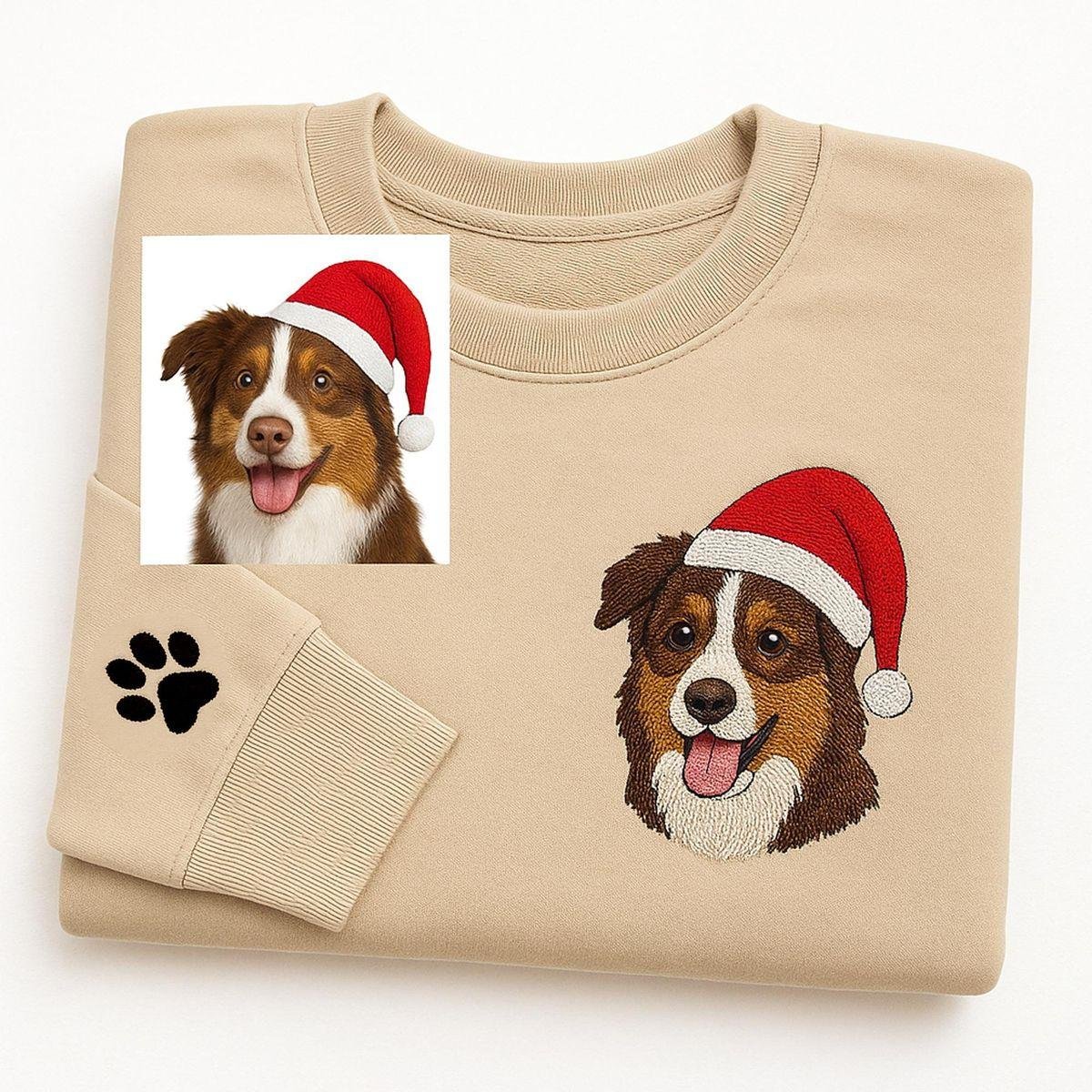
A plain shirt is just a shirt. Nobody looks twice at it. But stitch a logo onto it the right way, and something shifts. Suddenly it's not just fabric anymore. It's a small piece of your brand, walking around.
Most businesses buy plain shirts, jackets, and caps for their staff at some point. That's normal. But here's the thing: plain clothes don't really say anything about who you are. Good stitch work changes that. High-quality embroidery can take ordinary Corporate Apparel and turn it into something that quietly works for your brand every single day. It adds polish. It adds a bit of pride. And it earns a kind of trust that a cheap printed logo just doesn't.
So let's get into it. Why does this matter so much? How does the process actually work? And what should you look for if you want it done right?
Why Embroidery Matters for Business Branding
A shirt with a company logo does more than keep someone warm. Every time an employee wears it, it tells a small story about the business. Who are you? What do you care about? People pick up on that, even without thinking about it.
When staff wear a well-stitched shirt or jacket, people notice. Maybe not consciously. The logo looks sharp. The colors haven't faded. The stitching is still neat after a dozen washes. That kind of thing builds trust before anyone says a word.
First Impressions Count
We all size people up fast. Businesses too. Most of us decide what we think within a few seconds of seeing something. A clean, well-stitched logo says: this company pays attention.
A faded print or a crooked stitch says the opposite. Fair or not, it can make a great company look sloppy.
Embroidery Builds Team Pride
Here's something people don't talk about enough: staff feel the difference too. A neat uniform makes people want to wear it. It stops being "just a work shirt" and starts feeling like part of something bigger.
That shift matters more than you'd think. Employees who feel good about their gear tend to carry themselves a little differently, both in the office and out in the world.
What Makes Embroidery "High-Quality," Anyway?
Not all embroidery is built the same. Some stitching looks crisp for years. Some starts fraying after a handful of washes. Why the gap? Usually, it comes down to a few things.
Thread Quality
Good thread makes a real difference. Polyester and rayon hold their color and resist fraying pretty well. Cheap thread? It loses its shine fast, and honestly, it can start breaking down sooner than you'd expect.
Stitch Density
Stitch density just means how tightly the stitches sit together. Too loose, and the design looks thin, almost see-through. Too tight, and the fabric can pucker or feel stiff under your fingers. Getting that balance right takes experience. You can't really fake it.
Digitizing Skill
Before a machine can stitch anything, someone has to turn the artwork into a file the machine understands. That step is called digitizing. It's easy to overlook, but it might be the most important part of the whole job.
A skilled digitizer pays attention to the small stuff — curves, thin lines, tiny letters. They adjust stitch paths so the final design comes out clean, not blurry or falling apart. Bad digitizing can wreck even a great logo. Good digitizing brings out the best version of it.
Why Digitizing Takes Real Skill
I've worked hands-on in this field for a while, and one thing becomes obvious fast: digitizing isn't just "run it through the software and hit go." The software gets you started. A trained eye is what actually makes it work.
Take small text, for instance. Below a certain size, letters need special handling. Stitch them the wrong way, and they blur into one solid blob. Someone who knows what they're doing adjusts the stitch type and spacing so even a tiny logo stays sharp on fabric.
The Embroidery Process, Step by Step
It helps to know what actually happens behind the scenes. It also sets a fair bar for what "quality" should look like.
- Design Review – The logo or artwork gets checked for clarity and detail.
- Digitizing – The design becomes a stitch file the machine can read.
- Fabric Testing – A sample stitch-out checks size, color, and stitch quality.
- Adjustments – Fixes happen here, before full production starts.
- Final Production – The approved design gets stitched onto the whole order.
Skip fabric testing, and problems tend to pop up later. A logo that looks great on a shirt might look totally different on a hat, or a heavy jacket. Every fabric reacts to stitching in its own way.
Common Fabric Types and Their Quirks
- Cotton – Holds stitches well. A safe bet for most logos.
- Polo Knit – Stretches easily, so stabilizer backing is a must.
- Fleece – Thick material that usually needs denser stitching.
- Caps – Curved surfaces need special hoops and slower stitching speeds.
Knowing this ahead of time saves headaches. And money, when reprints aren't needed.
How Embroidery Stacks Up Against Other Methods
Some companies go with screen printing or heat transfer instead. Both have their place, sure. But embroidery still holds a few clear advantages for corporate wear.
Durability
Stitched logos usually outlast printed ones. Prints crack, peel, and fade eventually. Thread holds its shape and color much longer, sometimes for the whole life of the garment.
Texture and Feel
Run your hand over an embroidered logo, and you'll feel it — a slight raised texture. That gives it a more premium, almost three-dimensional look. A lot of people connect that texture with higher quality, even if they couldn't explain exactly why.
Where Embroidery Works Best
- Polo shirts
- Jackets and outerwear
- Caps and hats
- Bags and backpacks
Printing still makes more sense for big, full-color designs on t-shirts. Embroidery has real limits with fine detail or heavy color blending.
Tips for Choosing an Embroidery Provider
Picking who handles your company's apparel is a bigger decision than it seems at first. Here's what to check before you commit.
Ask About Digitizing Experience
How do they handle small text or complex designs? Ask for a sample stitch-out before placing a big order. That one step alone can save real time and money.
Check Sample Work
Look at photos, or better yet, physical samples, of past jobs. Pay attention to the stitch edges. Does the thread color actually match? Does it look neat up close?
Confirm Fabric Knowledge
A solid provider should be able to explain, in plain words, how their process changes across different fabrics. That's a good sign they know what they're doing, not just guessing.
Review Turnaround Times
Ask about typical order times, especially for bigger batches. Rushed jobs sometimes mean lower quality, so plan ahead when you can.
Final Thoughts
Small details end up making the biggest difference in how a business gets seen. High-quality embroidery takes something ordinary — a shirt, a jacket, a cap — and turns it into a small but real piece of a brand's identity. The right thread, careful digitizing, and skilled stitching all work together here.
Companies that put real effort into their stitching tend to see it pay off. Staff feel a bit more pride. Customers notice, even if they couldn't tell you why. And the brand looks put-together from the very first glance.
If your team is ready for an upgrade, working with people who genuinely understand corporate logo embroidery is a good place to start.

 English
 French
 Spanish
 Portuguese
 Deutsch
 Turkish
 Dutch
Dutch
 Italiano
 Russian
 Romaian
 Portuguese (Brazil)
 Greek
Greek