


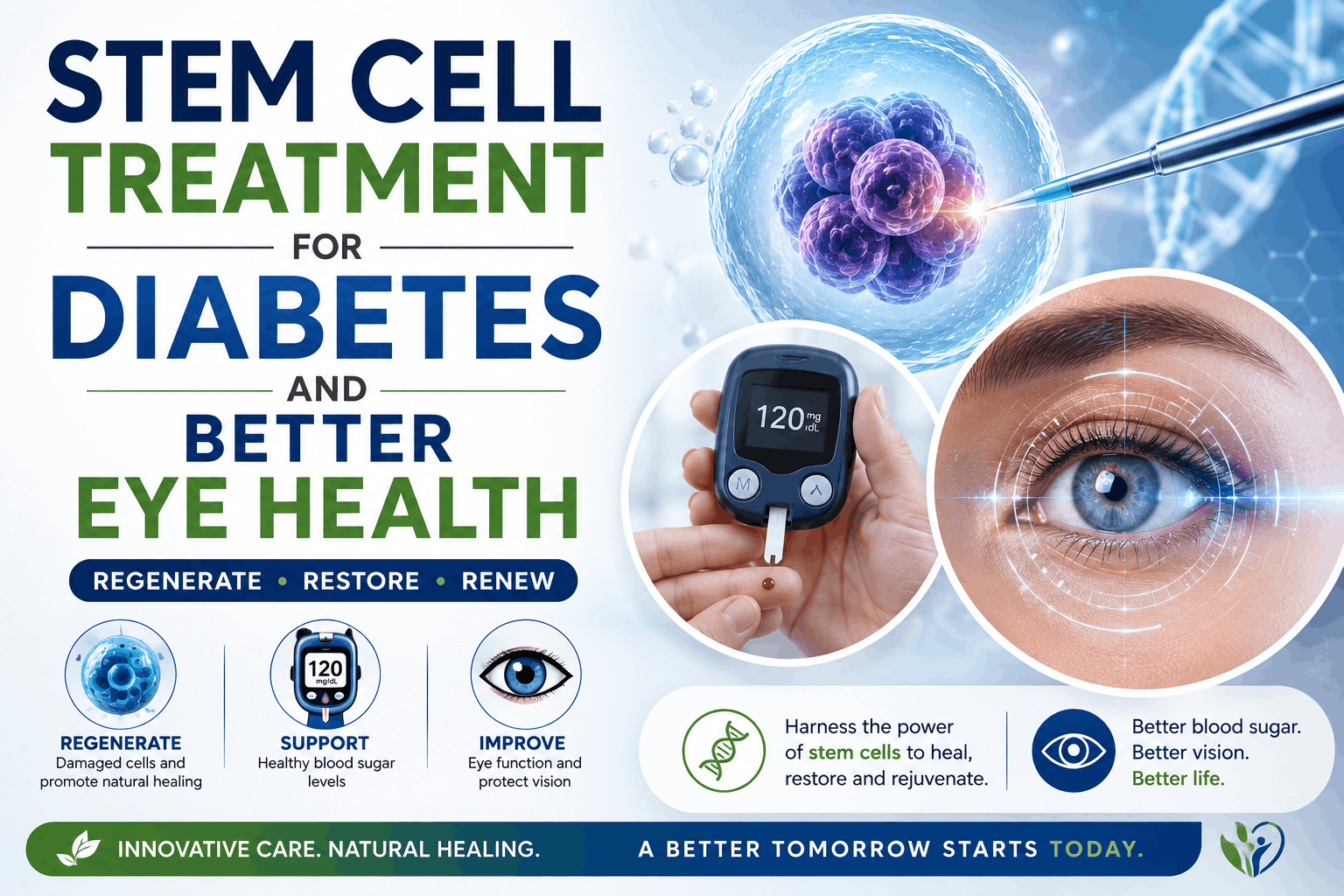
Many parts of the body can be affected by diabetes including the eyes. High blood sugar can eventually cause harm to nerves and tiny blood vessels. This is why seeking alternative treatment measures that could prove beneficial in the future is important to many. One area of medical research which has caught the attention is Stem cell treatment for diabetes. Currently under study, stem cells potentially could aid in repairing tissues and enhancing body functions.
How Diabetes Can Affect Your Eyes
Diabetes is a major factor in causing vision problems. When your blood sugar is high, this can affect the tiny blood vessels of the light-sensitive part of your eye (retina). "Diabetes retinopathy" is the term for this. Without treatment, it can cause blurring of vision or loss of vision.
Individuals with diabetes are also more likely to develop cataracts or glaucoma. Just as in the past, maintaining good control of your blood sugar, nutrition and regular eye exams remain the most effective methods of preventing vision loss. Researchers are also conducting studies on stem cell treatment for eye disease to determine whether it could be beneficial when used to repair damaged tissues in the eyes.
What Is Diabetes Treatment Using Stem Cells?
Stem cells are special cells which can turn into other cells within the body. Scientists are working to see how they might replace the insulin generating cells of the pancreas. The cells are called beta cells, and these are a key element in regulating blood sugar.
Rather than just reduce blood sugar for a short term, the aim of stem cell treatment for diabetes is to achieve a more sustained and long-lasting effect. Researchers are searching for alternative use of stem cells to restore the body's insulin-producing function or to prevent further damage to the healthy cells. This study is continuing and the treatment is not yet a standard treatment for diabetes.
How Stem Cells May Support Eye Health
The eyes have very soft tissues that are not easily healed if damaged. Scientists are investigating other means of protecting and repairing these tissues using stem cells. There have been some encouraging results in a few cases, but further research is required.
There are some potential mechanisms by which stem cell therapy for eye disease can help:
-
Assisting damaged retinal cells recovery.
-
To minimize inflammation within the eye.
-
To promote the development of healthy blood vessels.
-
Reducing additional damage that diabetes can cause.
Doctors continue to urge eye care based on the fact that these treatments are being carefully evaluated prior to adoption.
Who May Be Considered for This Treatment
Not all people are good candidates for stem cell therapy for eye disease. Before recommending treatment, doctors will check the person's health, medical history and condition of their pancreas and eyes.
Consider someone if that person:
-
To have poorly controlled diabetes.
-
Experience signs of diabetic eye disease.
-
Satisfy medical criteria for clinical management.
-
Understand the treatment's present capabilities and its hazards.
So, each patient can be unique in the way they are treated, and treatment will always depend on a thorough medical evaluation.
What Happens During the Treatment Process
The treatment process will vary, depending upon the condition of the patient and the type of stem cells used. Usually begins with the detailed medical examination and lab tests. The doctor then determines if the patient is a good patient for them.
Medically prepared sources that have been approved for medical use and/or research may serve as sources for stem cells. Once the cells are given, patients still have regular check-ups so that the doctors can keep an eye on them and check the results with time. This is still an emerging field and long term monitoring is an important element of care.
Current Research and Future Possibilities
Researchers worldwide are still investigating stem cell treatment to treat diabetes and diabetic eye disease. Although there is some clinical research that demonstrates them to be effective, they need more research before they become a regular treatment method.
Some methods might be safer and with greater success rates, and sometimes, better techniques of treating the condition will be developed. Patients should stick to their doctor's recommendations while waiting for their condition to improve, maintain their blood sugar levels and continue having regular eye checks.
Final Thoughts
However, stem cell research has also revolutionized the way in which diabetes and eye care are now approached. It's still under study, but it gives hope to regenerate damaged tissues rather than treat symptoms. People who want to try it should consult a trained medical professional to learn about the advantages and risk of treatment, as well as medical evidence. The best way to care for your health in the long run is with early care for these diabetes-related issues and regular eye care.
Choose NJINSKY Clinic for trusted stem cell treatment for diabetes with expert care and personalised treatment.

 English
 Arabic
 French
 Spanish
 Portuguese
 Deutsch
 Turkish
 Dutch
Dutch
 Italiano
 Romaian
 Portuguese (Brazil)
 Greek
Greek