


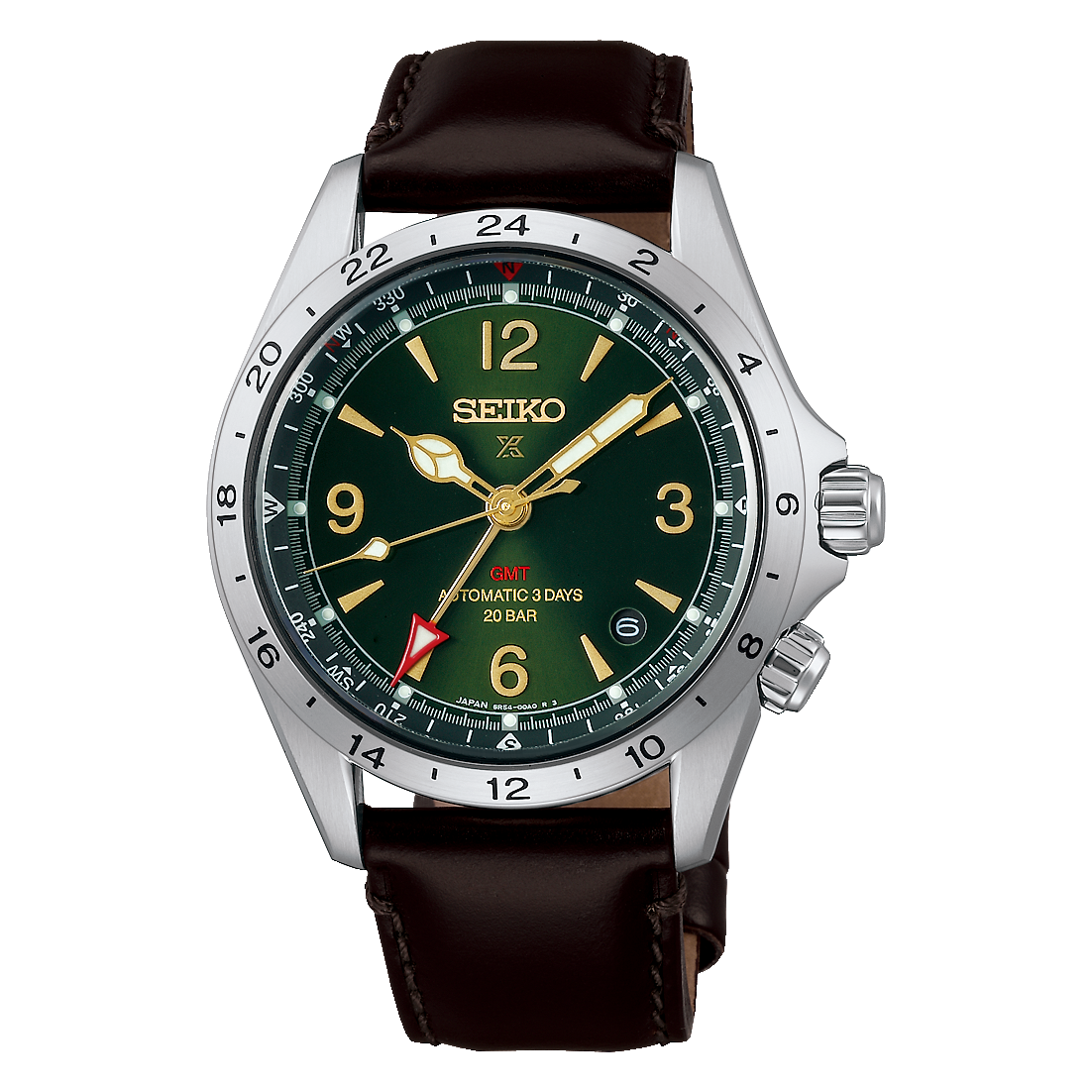
Walk into any watch forum, collector meetup, or even a casual conversation about timepieces, and the name Seiko Watches is bound to come up. It's a brand that manages something few others do: it appeals equally to first-time buyers, seasoned collectors, and everyone in between. That kind of universal respect isn't accidental. It's the product of decades spent focusing on craftsmanship, engineering, and a genuine understanding of what makes a watch worth wearing.
Where It All Began
Seiko's roots trace back to 1881, when a young entrepreneur named Kintaro Hattori opened a small shop in Tokyo selling and repairing watches and clocks. Within a few decades, that shop had grown into a manufacturing operation producing Japan's earliest wristwatches. This was a company built on hands-on problem solving rather than inherited prestige, and that practical mindset has remained part of its identity ever since.
By the mid-20th century, Seiko was no longer just a regional player. It was competing directly with the biggest names in Switzerland, and in some respects, surpassing them. The company's chronometers performed impressively in international timing competitions, proving that Japanese watchmaking could stand shoulder to shoulder with European tradition.
The Quartz Shock That Changed Everything
No conversation about Seiko is complete without mentioning the Astron. Released in December 1969, it was the world's first quartz wristwatch, and its impact on the industry cannot be overstated. Quartz movements offered accuracy that mechanical watches simply couldn't match at the time, and they were cheaper to produce at scale.
This innovation triggered what's often referred to as the "quartz crisis," a period during which many traditional Swiss manufacturers saw sales collapse as consumers flocked to more affordable, more accurate quartz alternatives. Seiko, meanwhile, used this momentum to expand its global footprint and cement its reputation as an industry innovator rather than a follower.
A Collection for Every Kind of Wearer
Part of what makes Seiko so widely seikowatch loved is the range of options available under one brand name. There's no single "typical" Seiko customer, because there's no single type of Seiko watch.
Budget-conscious buyers and newcomers often gravitate toward the Seiko 5 line, prized for its automatic movements and everyday durability at an accessible price. It's frequently recommended as a first mechanical watch for people stepping away from quartz for the first time.
Outdoor enthusiasts and professionals who need a tool watch tend to look toward the Prospex collection. These dive watches are built for real-world abuse, boasting impressive water resistance, scratch-resistant crystals, and legible dials designed for underwater visibility. The nicknames collectors have given various models, like the "Turtle" or "Samurai," speak to the affection these watches inspire.
Then there's Grand Seiko, the brand's pinnacle expression of craftsmanship. Though it now operates as its own distinct luxury label, its DNA is unmistakably Seiko. Grand Seiko watches are known for hand-finished cases, dials inspired by Japanese seasons and landscapes, and movements built to standards that rival, and sometimes exceed, the finest Swiss competitors.
Built to Last, Priced to Make Sense
A major reason Seiko has maintained such loyal customers over generations is its approach to manufacturing. Unlike many watch companies that outsource movement production, Seiko designs and builds the vast majority of its components in-house. This vertical integration gives the brand tighter control over quality, consistency, and cost, which ultimately benefits the consumer.
It's not uncommon to find vintage Seiko watches from the 1960s or 1970s still ticking away reliably today. That kind of longevity builds trust, and trust is what keeps customers coming back generation after generation.
A Favorite Among Collectors
Beyond everyday wearers, Seiko has developed a devoted following among serious collectors. Limited-run releases, discontinued dial colors, and quirky case designs often become highly desirable on the secondary market. Seiko's willingness to take creative risks, whether through unusual color palettes or experimental case shapes, keeps the brand feeling fresh even as it honors its long history.
For many collectors, Seiko also represents an accessible gateway into serious watch appreciation. Where Swiss luxury pieces can carry price tags that feel out of reach, Seiko offers comparable mechanical sophistication and finishing at a fraction of the cost, making it possible for more people to explore the hobby without financial strain.
Final Thoughts
Seiko's staying power comes down to a simple formula: relentless innovation paired with genuine respect for craftsmanship. From reshaping the entire watch industry with the invention of quartz technology to producing some of the most admired mechanical watches in the world through Grand Seiko, the brand has never been content to stand still. Whether someone is buying their very first automatic watch or hunting down a rare vintage piece to complete a collection, Seiko continues to offer something increasingly rare in today's market: a watch that feels both meaningful and attainable.

 English
 French
 Spanish
 Portuguese
 Deutsch
 Turkish
 Dutch
Dutch
 Italiano
 Russian
 Romaian
 Portuguese (Brazil)
 Greek
Greek