


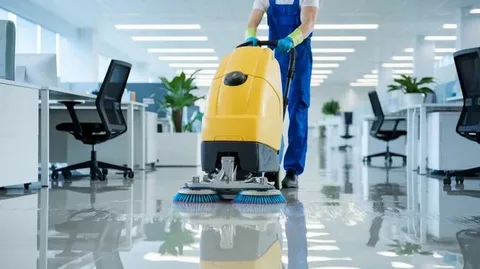
Understand Why Carpet Odors Develop
Carpet can absorb more than visible dirt. Dust, food particles, moisture, spills, and everyday foot traffic can leave residue inside carpet fibers and contribute to unwanted smells. Pets and outdoor debris can also introduce odor-causing particles into the home. In some cases, the surface may look clean while the source of the odor remains deeper in the carpet. Identifying the cause is important before choosing a cleaning method.
Find the Source of the Odor
The first step in dealing with a persistent carpet smell is locating the affected area. Check sections near entrances, furniture, pet areas, kitchens, and places where spills may have occurred. Pay attention to discoloration, dampness, or areas that smell stronger than the rest of the room. Treating only the air may temporarily hide the smell without addressing its source. A targeted approach is more useful when the affected area can be identified.
Keep Carpets Dry
Moisture is one of the main factors that can contribute to unpleasant carpet odors. Wet shoes, spills, leaks, and excessive moisture from cleaning can leave carpet damp for longer than expected. Proper airflow can help carpet dry more efficiently after cleaning. If moisture has reached the padding underneath, surface treatment alone may not solve the problem. Addressing the source of moisture is important for preventing recurring odors.
Vacuum Regularly
Routine vacuuming helps remove loose dirt before it becomes embedded in the carpet. Dust, hair, crumbs, and outdoor particles can accumulate quickly in areas with frequent foot traffic. Entrances, hallways, living rooms, and stairs may require more frequent vacuuming than rooms that are rarely used. Vacuuming slowly and covering edges can improve the amount of debris collected. Regular maintenance can reduce the buildup that contributes to stale smells.
Deal With Spills Quickly
A spill should be addressed as soon as practical. Liquids can move beneath the carpet surface and leave behind residue as they dry. Food and beverages may be particularly difficult if they are allowed to remain in the fibers for an extended period. Rubbing aggressively can spread the affected area, so the cleaning approach should match the type of spill and carpet material. Prompt action can make later cleaning easier.
Check the Carpet Padding
Sometimes the odor is not coming from the visible carpet surface. Padding underneath the carpet can absorb moisture and other substances, allowing a smell to remain even after surface cleaning. If an odor keeps returning, the area may need a more detailed inspection. Carpet, padding, and the underlying floor should be evaluated separately. Understanding where the odor has reached can help determine the most appropriate solution.
Use Products Carefully
Not every carpet cleaning product is suitable for every carpet. Strong chemicals or excessive amounts of cleaning solution can leave residue, affect color, or damage certain fibers. Always check the carpet manufacturer's care instructions before using a new product. Testing a suitable cleaning solution in an inconspicuous area can also help identify possible reactions. Proper product selection is an important part of effective odor treatment.
Improve Airflow After Cleaning
Fresh air movement can support the drying process after carpet cleaning. Open windows, ventilation systems, or suitable fans may help move moisture away from the treated area. However, ventilation should not be considered a replacement for removing the actual odor source. If the carpet remains damp or the smell continues, further assessment may be necessary. Drying the carpet properly can help reduce the chance of moisture-related problems.
Consider Professional Odor Treatment
Persistent carpet odors can sometimes require equipment and cleaning methods that are difficult to use at home. Professional cleaners can assess the carpet, identify potential sources, and choose a treatment based on the material and condition. Homeowners looking for Carpet Odor Removal Chicago IL can compare providers by asking about their cleaning process, equipment, treatment methods, and experience with different types of carpet odors.
Prevent Odors From Returning
Long-term odor control depends on regular carpet maintenance. Vacuuming, quick spill treatment, moisture control, and periodic deep cleaning can help reduce buildup over time. Entrance mats can limit the amount of outdoor debris brought indoors, while regular furniture cleaning can reduce hidden sources of odor. If a smell returns after treatment, it is better to investigate the source instead of repeatedly masking it. Consistent care can help carpets stay cleaner and rooms feel fresher.

 English
 Arabic
 French
 Spanish
 Portuguese
 Turkish
 Dutch
Dutch
 Italiano
 Russian
 Romaian
 Portuguese (Brazil)
 Greek
Greek