


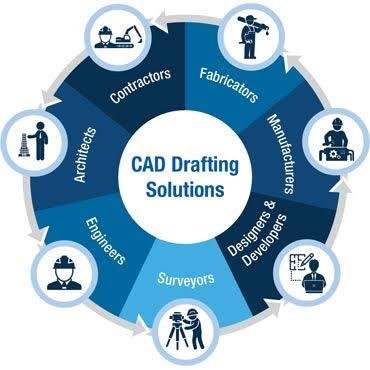
Construction design is the foundation of successful building projects. It combines creativity, technical knowledge, engineering principles, and careful planning to transform ideas into safe, functional, and attractive structures. Whether the project involves a residential home, commercial building, industrial facility, or public infrastructure, effective construction design helps ensure that every part of the project works together efficiently.
Understanding Construction Design
Construction design refers to the process of developing detailed plans and specifications for a building or infrastructure project. It covers everything from the overall appearance of a structure to its structural systems, materials, electrical layouts, plumbing, ventilation, and other essential components. Designers and engineers work together to create plans that meet the requirements of clients while following applicable building standards and safety regulations.
A well-prepared design provides a clear direction for contractors and construction teams. It reduces confusion during construction and helps ensure that the finished project matches the original objectives.
Importance of Proper Planning
Planning plays a major role in successful construction design. Before construction begins, professionals study the site, understand the project requirements, estimate materials, and consider potential challenges. Proper planning can prevent costly mistakes and reduce unnecessary delays.
Construction designers also consider factors such as available space, environmental conditions, accessibility, energy efficiency, and future maintenance. By addressing these issues during the design stage, project teams can make better decisions before significant resources are invested in construction.
Role of Technology in Construction Design
Modern technology has significantly improved the construction design process. Computer-aided design software allows professionals to create accurate two-dimensional drawings and detailed three-dimensional models. These digital tools make it easier to visualize structures, identify design problems, and make changes before construction begins.
Building Information Modeling has also become an important part of modern construction projects. It allows architects, engineers, and contractors to work with coordinated digital information about a building. This can improve communication, reduce conflicts between different systems, and support better project management.
Creating Safe and Functional Structures
Safety is one of the most important objectives of construction design. Designers must consider the strength and stability of a structure, fire protection, emergency access, electrical safety, and other potential risks. Structural calculations and appropriate material selection help ensure that buildings can withstand expected loads and environmental conditions.
Functionality is equally important. A visually attractive building must also provide practical spaces for its intended users. Good construction design considers movement, lighting, ventilation, storage, accessibility, and efficient use of available space.
Sustainable Construction Design
Sustainability is becoming increasingly important in the construction industry. Modern designers are looking for ways to reduce energy consumption, minimize construction waste, and use environmentally responsible materials. Natural lighting, efficient insulation, renewable energy systems, water-saving technologies, and sustainable materials can contribute to greener buildings.
Sustainable design can also reduce long-term operating costs while creating healthier and more comfortable environments for occupants. As environmental concerns continue to grow, sustainable principles are expected to become an even more important part of construction projects.
Conclusion
Construction design provides the roadmap for turning architectural ideas into successful physical structures. Through careful planning, advanced technology, safety considerations, and sustainable practices, professionals can create buildings that are efficient, durable, attractive, and practical. As the construction industry continues to evolve, effective design will remain essential for managing complex projects and achieving high-quality results. Investing time and expertise in the design stage can ultimately save resources, reduce problems, and contribute to the long-term success of a construction project.

 English
 Arabic
 French
 Spanish
 Portuguese
 Turkish
 Dutch
Dutch
 Italiano
 Russian
 Romaian
 Portuguese (Brazil)
 Greek
Greek