


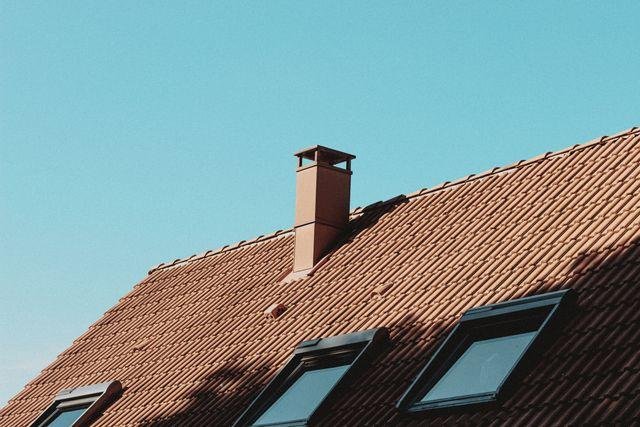
A chimney is constantly exposed to wind, rain and changing temperatures, so deterioration is not unusual over time. Cracked masonry, failing mortar and damaged flashing can allow moisture into the building and may eventually affect the roof or internal areas. If you are considering Chimney Repair in Cumbria, identifying the type of problem is the first step towards choosing an appropriate repair.
Why Do Chimneys Need Repair?
Chimneys are among the most exposed parts of many properties. Their position above the roof means they receive direct weather exposure and can experience repeated cycles of wetting and drying.
Common causes of chimney deterioration include:
- Weathered mortar
- Cracked bricks
- Damaged flashing
- Loose chimney pots
- Water penetration
- Vegetation growth
- Movement within the masonry
- General ageing
The visible defect is not always the original cause, which is why inspection matters.
Common Chimney Repairs
Repointing
Mortar joints can deteriorate gradually. Repointing involves removing unsuitable or damaged mortar and replacing it with appropriate new material.
The repair should be compatible with the existing masonry. Using an unsuitable mortar can potentially create further problems, particularly on older buildings.
Brick Replacement
Individual bricks that have become cracked, spalled or otherwise unsuitable may sometimes be replaced without rebuilding the entire chimney.
Flashing Repair
Flashing forms the weatherproof junction between the chimney and roof. Defective flashing is a common potential source of leaks around chimney areas.
Signs can include:
- Dampness around the chimney
- Water staining in the loft
- Damaged or loose flashing
- Persistent leaks during rainfall
Chimney Pot Repairs
Loose, damaged or cracked chimney pots may need repair or replacement. Their condition should be assessed alongside the stack itself.
Signs Your Chimney Needs Attention
You do not need to wait for a major leak before arranging an inspection.
Potential warning signs include:
- Cracks in the chimney stack
- Missing mortar
- Loose bricks
- A visibly leaning stack
- Damaged flashing
- Damp patches around the chimney
- Loose chimney pots
- Pieces of masonry appearing on the roof or ground
Some defects can be difficult to assess safely from ground level. Professional access and inspection may be necessary.
Can a Damaged Chimney Cause Roof Leaks?
Yes. A chimney passes through the roof, creating a junction that needs effective weatherproofing. Damaged flashing, deteriorated masonry or defective roof details can allow rainwater into the roof structure.
Water may then travel away from the original entry point before becoming visible inside the property.
This is why simply repairing an internal stain does not address the underlying issue.
Repair or Rebuild?
The extent of deterioration determines whether repair is appropriate.
A chimney with sound masonry and deteriorated mortar may only require repointing. More significant structural damage may require partial rebuilding or other remedial work.
A professional assessment should establish whether the damage is superficial, localised or structural.
Maintaining a Chimney After Repair
Once repairs are complete, ongoing inspection remains useful.
Check visible areas periodically for:
- New cracks
- Open mortar joints
- Damaged flashing
- Loose components
- Water staining
- Vegetation growth
Keeping the surrounding roof drainage clear is also important because water should be directed away from vulnerable roof junctions.
When Is Professional Help Essential?
Professional advice is particularly important when a chimney is visibly leaning, masonry is loose, water is entering the property or significant cracks have appeared.
Chimney work also involves working at height. Attempting repairs without suitable access and equipment can create unnecessary risks.
Frequently Asked Questions
How do I know if chimney repointing is needed?
Open, missing or significantly deteriorated mortar joints can indicate that repointing may be required. The overall condition of the masonry should also be assessed.
Can a chimney leak even if the bricks look fine?
Yes. Defective flashing, roof junctions or other concealed details can allow water into the building even when visible masonry appears sound.
Does a cracked chimney always need rebuilding?
No. The significance of a crack depends on its size, location, pattern and cause. Some defects may be repairable without rebuilding the entire stack.
How often should a chimney be inspected?
There is no single schedule for every property. Periodic inspection is sensible, particularly for older chimneys or those exposed to severe weather.
Can an unused chimney still need repairs?
Yes. An unused chimney remains exposed to weather and can still develop masonry, flashing and moisture problems.
What should I do if chimney masonry becomes loose?
Avoid approaching or disturbing unstable masonry yourself. Arrange a professional assessment so the condition and appropriate repair can be established.
Keep Your Chimney Weatherproof
Chimney repairs are often easier when defects are identified early. Repointing, masonry repairs and flashing work can address localised problems before moisture causes more extensive damage.
If you need advice from a trusted Roofing company in Cumbria, a professional inspection can help identify the cause of the problem and establish the appropriate repair.
Roof Installation in Cumbria: What to Know
A new roof is a significant investment, so the installation should be approached as a complete roofing project rather than simply replacing the visible covering. The structure, insulation, ventilation, drainage, roofline and chosen materials all influence the final result. If you are planning Roof Installation In Cumbria, understanding the main stages can help you prepare for the work.
When Is a New Roof Needed?
Roof replacement may become appropriate when a roof has widespread deterioration that can no longer be addressed effectively through isolated repairs.
Potential signs include:
- Extensive broken or missing tiles
- Repeated leaks
- Widespread deterioration
- Damaged roof timbers
- Persistent moisture problems
- Failing roof coverings
- Frequent repair requirements
However, visible damage does not automatically mean complete replacement is necessary. A professional inspection can determine whether repairs or a new roof are more appropriate.
What Does Roof Installation Involve?
A new roof typically involves several stages, although the exact process varies according to the building and roofing system.
Initial Assessment
The existing roof is inspected to identify defects and determine the scope of work. The roof structure, covering, roofline and drainage should all be considered.
Removing Existing Materials
Where required, old roof coverings are removed so the underlying structure can be inspected.
Checking the Roof Structure
Roof timbers and supporting components should be assessed before new materials are installed. Any significant structural defects need to be addressed appropriately.
Installing the New Roofing System
The new roof is then constructed using compatible components, which may include underlay, battens, tiles or other coverings, flashings and ventilation details.
Completing the Roof Edges
Ridges, verges, valleys and roof junctions require careful attention because these areas are particularly important for weather resistance.
Choosing Roofing Materials
The appropriate roof covering depends on the property's design, existing structure, planning considerations and desired appearance.
Common options include:
- Concrete tiles
- Clay tiles
- Natural slate
- Man-made slate
- Other compatible roofing systems
Material choice should not be based solely on appearance. Weight, compatibility, durability and installation requirements also matter.
Why Roof Ventilation Matters
A roof needs appropriate ventilation to help manage moisture and condensation within the roof space.
Poor ventilation can contribute to moisture-related problems, particularly where warm internal air meets colder roof surfaces.
A new roof installation provides an opportunity to review ventilation and ensure the roofing system is properly detailed.
What About Insulation?
Roof replacement can also provide an opportunity to consider the property's thermal performance.
The appropriate insulation approach depends on the roof construction and whether the loft space is intended to remain cold or form part of the heated area of the building.
Insulation should be considered alongside ventilation rather than treated as an entirely separate issue.
How Long Does Roof Installation Take?
There is no fixed installation period for every property. Duration depends on roof size, design, access, weather, the condition of the existing structure and the extent of work required.
A straightforward roof may be completed more quickly than a complex property requiring structural repairs or additional roof detailing.
How Can You Prepare for a New Roof?
Before work begins, discuss:
- The proposed roofing materials.
- What happens to the existing roof covering.
- Whether structural repairs are expected.
- How waste and materials will be managed.
- How the roof will be protected during changing weather.
- Which roofline and drainage components are included.
- How the finished roof will be inspected.
Clear communication helps prevent misunderstandings about the scope of the project.
Maintenance After Installation
A new roof still benefits from routine care. Keep gutters clear, check visible roofline components and address signs of damage promptly.
After severe weather, inspect the roof from ground level for obvious missing or displaced materials. Do not climb onto the roof unless you have suitable training and equipment.
Frequently Asked Questions
How do I know if I need a new roof?
Widespread deterioration, repeated leaks and significant structural or covering problems may indicate replacement is appropriate, but an inspection is needed before making that decision.
What is the best material for a new roof?
There is no single best material. The choice depends on the property's structure, appearance, exposure, budget and compatibility requirements.
Does a new roof include insulation?
Not necessarily. The scope of insulation work should be confirmed as part of the project because roofing and insulation requirements vary between properties.
Can I replace only part of my roof?
Sometimes. Localised repairs or partial replacement may be appropriate, depending on the roof's condition and construction.
Does roof installation require ventilation?
Appropriate ventilation can be an important part of a properly designed roofing system, particularly for managing moisture and condensation.
How should I maintain a newly installed roof?
Keep drainage clear, monitor visible roof components and arrange professional attention if you notice leaks, movement or damaged materials.
Plan Your Roof Installation Carefully
A properly planned roof installation involves much more than fitting new tiles or slate. Structural condition, weatherproofing, ventilation, insulation, drainage and roofline details all contribute to the finished system.
If you are considering a new roof and need guidance from a reliable Roofing company in Cumbria, professional advice can help you understand the most suitable options for your property.

 English
 Arabic
 French
 Spanish
 Portuguese
 Deutsch
 Dutch
Dutch
 Italiano
 Russian
 Romaian
 Portuguese (Brazil)
 Greek
Greek