


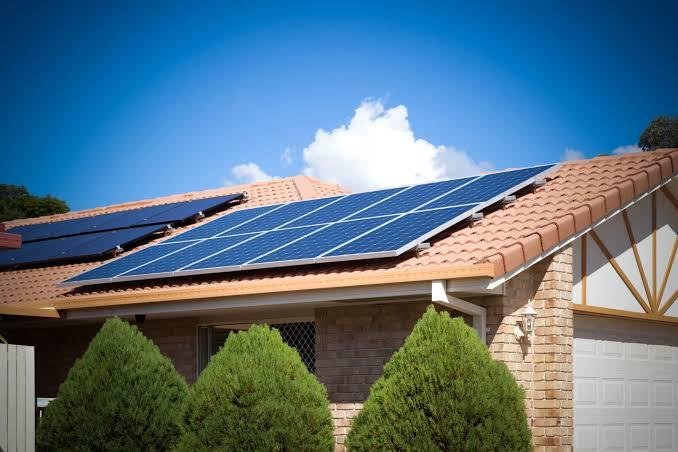
Solar power has become an increasingly important part of the energy landscape in Perth, Western Australia. With abundant sunshine across much of the year, homeowners and businesses can use rooftop solar systems to generate electricity during daylight hours and reduce their dependence on energy purchased from the grid. The growing popularity of solar power in Perth is also connected to rising interest in lower household expenses, cleaner energy and greater control over electricity consumption. Government information shows that rooftop solar already makes a substantial contribution to Western Australia’s main electricity network, demonstrating how quickly distributed renewable energy has become part of everyday electricity use.
For many property owners, installing solar is not simply about putting panels on a roof. A successful system should match the property's electricity consumption, available roof space, panel orientation, inverter capacity and future energy needs. A household that plans to purchase an electric vehicle, install a battery or replace gas appliances with electric alternatives may need a different system from a home with relatively modest electricity consumption. Understanding these factors before installation can help property owners make a more practical long-term decision.
Why Solar Power Suits Perth
Perth's strong solar resource makes rooftop photovoltaic systems an attractive option for many homes and businesses. Solar panels convert sunlight into direct-current electricity, while an inverter converts that electricity into the form used by household appliances and other electrical equipment. Government guidance indicates that Perth has an average daily solar generation figure of about 4.4 kWh for each 1 kW of photovoltaic capacity, although actual production varies according to season, weather, orientation, shading and system design.
This means a properly designed system can generate a useful amount of electricity throughout the year. Solar power in Perth can be especially valuable when electricity is consumed during daylight hours because the energy produced by the panels can be used directly rather than purchased from the grid. Running appliances, pool equipment, air conditioning, hot water systems or other suitable loads during solar production periods can increase self-consumption and improve the financial value of the system.
How a Solar System Works
A typical rooftop solar installation contains several important components that work together. Solar panels capture sunlight and generate electricity. The inverter then converts the electricity into usable alternating current. A monitoring system can provide information about energy production and consumption, allowing property owners to understand how their system is performing.
During sunny periods, electricity generated by the panels is first used by appliances operating within the property. If production is higher than immediate demand, excess electricity may be exported to the electricity grid, subject to applicable export arrangements and limits. If a battery is installed, surplus electricity can instead be stored for later use. When solar production falls, such as at night, electricity can be supplied from the battery or grid depending on the system configuration and available stored energy.
This simple flow makes solar energy more useful when the system is designed around actual household behaviour. Rather than focusing only on the number of panels, property owners should consider when electricity is normally consumed and whether future energy requirements are likely to increase.
Main Benefits for Perth Homeowners
One of the strongest reasons people consider solar power in Perth is the possibility of reducing electricity costs. When a household uses electricity generated by its own panels, it avoids purchasing that portion of energy from the grid. The exact savings depend on system size, household consumption, electricity tariffs, solar generation and how much generated energy is consumed directly. Australian Government guidance notes that self-consumption is generally more valuable financially than exporting solar electricity because feed-in payments are commonly lower than the price paid for electricity purchased from the grid.
Solar can also provide a degree of protection against future electricity price increases. Instead of relying entirely on grid electricity, a household produces part of its own energy. This does not eliminate electricity bills in every situation, because households may still import electricity at night or during periods of low solar production. However, a well-sized system can substantially reduce the amount of electricity purchased from the grid.
Other benefits include:
- Lower reliance on grid electricity.
- Reduced household greenhouse gas emissions.
- Better use of Perth's abundant sunlight.
- Potentially lower electric vehicle charging costs.
- Greater flexibility when combined with battery storage.
- Improved energy planning for future electrical appliances.
Choosing the Right Solar System Size
Selecting the correct system size is one of the most important decisions when planning solar power in Perth. A larger system is not automatically better because the ideal capacity depends on electricity consumption, roof area, budget, shading, inverter limitations and future energy requirements. A home using electricity mainly in the evening may benefit from combining solar generation with battery storage, while a property with substantial daytime consumption may achieve strong value from direct solar use.
Households should examine several months of electricity bills before requesting quotes. This helps identify average consumption and seasonal differences. Future plans should also be considered. For example, installing an electric vehicle charger, switching to electric hot water or adding air conditioning may increase electricity demand.
| Consideration | Why It Matters |
|---|---|
| Daily electricity use | Helps determine suitable solar capacity |
| Roof space | Determines how many panels can be installed |
| Roof orientation | Influences generation throughout the day |
| Shading | Can reduce panel output |
| Inverter capacity | Controls how solar generation is converted |
| Battery storage | Allows excess energy to be used later |
| Future appliances | May increase electricity requirements |
| Export arrangements | Affect the value of surplus generation |
Solar Panels and Roof Orientation
The physical location of solar panels can significantly influence energy production. In Australia, north-facing panels are traditionally preferred because they can produce strong overall annual generation. However, east- and west-facing panels can also be useful depending on when a household consumes electricity. East-facing panels may produce more energy earlier in the day, while west-facing panels can extend useful production into the afternoon.
For a Perth household, this distinction can be important because energy consumption often changes throughout the day. A family that uses significant electricity in the afternoon may find that west-facing generation aligns better with its usage pattern than a system designed purely for maximum annual output. Roof pitch, surrounding buildings, trees and other structures should also be assessed before installation.
The Role of Battery Storage
Solar panels produce electricity when sunlight is available, but household electricity demand does not always match solar production. This is where battery storage can become valuable. Instead of exporting all excess daytime generation, a battery can store some of that electricity and make it available later when solar output decreases.
A battery may be particularly useful for households that consume a large proportion of their electricity during evening hours. It can also provide greater control over how solar energy is used. However, batteries add to the initial cost of a system, so homeowners should assess expected usage, battery capacity, warranty conditions, installation requirements and potential savings before making a decision.
Western Australia has also introduced measures supporting household battery uptake and participation in virtual power plant arrangements. The state government's current energy framework treats batteries, rooftop solar and other distributed energy resources as important parts of the evolving electricity system.
Solar Power for Perth Businesses
Solar power is not limited to residential properties. Businesses with suitable roofs can also benefit from generating electricity on-site. Offices, workshops, warehouses, retail buildings and other commercial properties may have substantial daytime electricity consumption, which can make direct solar self-consumption particularly useful.
Commercial electricity demand can vary significantly between businesses, so system design should be based on actual consumption patterns rather than a standard package. Businesses should consider operating hours, equipment loads, refrigeration, heating and cooling requirements and potential future expansion.
A properly designed commercial system can reduce the amount of electricity purchased from the grid while supporting a business's environmental objectives. Businesses considering solar should also evaluate roof condition, electrical infrastructure, inverter requirements, maintenance access and any applicable network connection requirements.
Understanding Solar Costs
The cost of a solar system depends on several factors rather than one fixed price. System capacity, panel quality, inverter selection, roof complexity, installation conditions, electrical upgrades and optional battery storage can all influence the final price. Australian Government guidance also identifies installation quality, additional cabling, switchboard work and battery inclusion as factors that can affect the overall cost.
Government incentives may reduce the upfront cost of eligible systems. The Australian Government's Small-scale Renewable Energy Scheme provides support for eligible small-scale renewable installations through small-scale technology certificates. Battery incentives can also be available under current programs, subject to eligibility requirements and changing program conditions.
Rather than choosing a system solely because it has the lowest advertised price, property owners should compare the complete proposal. Panel and inverter specifications, warranties, installation standards, monitoring features and after-sales support can all affect long-term value.
Current Perth Solar and Battery Requirements
Solar regulations and technical requirements can change as rooftop generation becomes a larger part of Western Australia's electricity network. From 1 May 2026, new or upgraded solar and battery systems on the South West Interconnected System must meet updated requirements. These include requirements relating to inverter standards and the ability for systems to support remote disconnection and reconnection, or alternative export limitations in applicable circumstances.
These requirements are important when selecting an installer because a system needs to be compliant at the time of installation. Property owners should therefore avoid relying only on older information when planning a new installation. A qualified installer should explain the applicable connection requirements and how the proposed system will operate within current network rules.
Improving Solar Self-Consumption
Generating electricity is only part of the solar equation. How that electricity is used can strongly influence the financial outcome. Homeowners can increase self-consumption by operating suitable appliances while solar production is high. For example, washing machines, dishwashers, pool pumps and electric hot water systems may be scheduled during daylight hours where practical.
Smart energy management can make this approach easier. Monitoring systems can show when solar production is highest and how much electricity the property is consuming. A battery can then provide additional flexibility by storing surplus energy for later use.
The goal is not necessarily to export as much electricity as possible. In many situations, using more of the generated electricity directly at the property can provide greater value than exporting it.
What to Check Before Installation
Before investing in solar power in Perth, homeowners and businesses should take time to evaluate the property and the proposed system.
Important checks include:
- Review recent electricity bills and usage patterns.
- Inspect available roof space and shading.
- Consider current and future electricity consumption.
- Compare system specifications rather than just advertised prices.
- Check panel and inverter warranties.
- Confirm installer accreditation and experience.
- Understand grid connection and export requirements.
- Consider whether battery storage is appropriate.
- Review monitoring and maintenance arrangements.
- Compare several detailed quotes before choosing a system.
These steps can reduce the risk of selecting equipment that does not match the property's needs. A professional assessment should also identify electrical and structural considerations that may not be obvious from a basic online estimate.
Maintenance and Long-Term Performance
Solar panels generally require relatively little routine maintenance, but that does not mean they should be completely ignored. Dust, leaves, bird activity, shading and equipment faults can affect performance. Perth's outdoor conditions can expose rooftop equipment to heat, wind and other environmental factors, making quality installation important.
Monitoring is one of the easiest ways to identify potential performance problems. If electricity production suddenly falls without a corresponding change in weather or household conditions, the system may need inspection. Keeping the inverter and monitoring equipment accessible can also make troubleshooting easier.
A quality solar system is intended to operate for many years, so the initial purchase should be viewed as a long-term energy investment rather than a short-term product purchase.
The Future of Solar Energy in Perth
The role of rooftop solar in Western Australia is continuing to evolve. In 2025, renewable energy supplied 41% of electricity in the state's main electricity grid, with household solar representing about half of that renewable contribution. The growing number of rooftop systems means batteries, flexible exports, electric vehicles and smart energy management are becoming increasingly important parts of the electricity system.
This development creates opportunities for property owners to become more active energy participants. A future solar system may do more than generate electricity during the day. It may work with a battery, electric vehicle charger and smart energy controls to shift consumption, store energy and respond to changing electricity conditions.
For Perth households and businesses, this makes careful system planning more important than ever. A system designed around both present and future needs can provide greater flexibility as energy technology continues to develop.
Conclusion
Solar power in Perth offers homeowners and businesses an opportunity to generate renewable electricity while potentially reducing their dependence on the grid. Perth's strong solar resource, increasing adoption of rooftop systems and growing availability of battery technology make solar an important option for modern energy planning. However, the best results come from selecting a system based on actual electricity consumption, roof characteristics, future energy needs and current network requirements rather than simply choosing the largest or cheapest package.
A thoughtful approach should include comparing equipment, reviewing warranties, assessing battery requirements, understanding export arrangements and choosing an appropriately qualified installer. As Western Australia's electricity system continues to integrate rooftop solar, batteries, electric vehicles and smart energy technologies, solar power in Perth is likely to remain an important part of the region's transition toward a cleaner and more flexible energy future.
Location:- Perth , Western Australia

 English
 Arabic
 French
 Spanish
 Portuguese
 Deutsch
 Turkish
 Dutch
Dutch
 Russian
 Romaian
 Portuguese (Brazil)
 Greek
Greek