


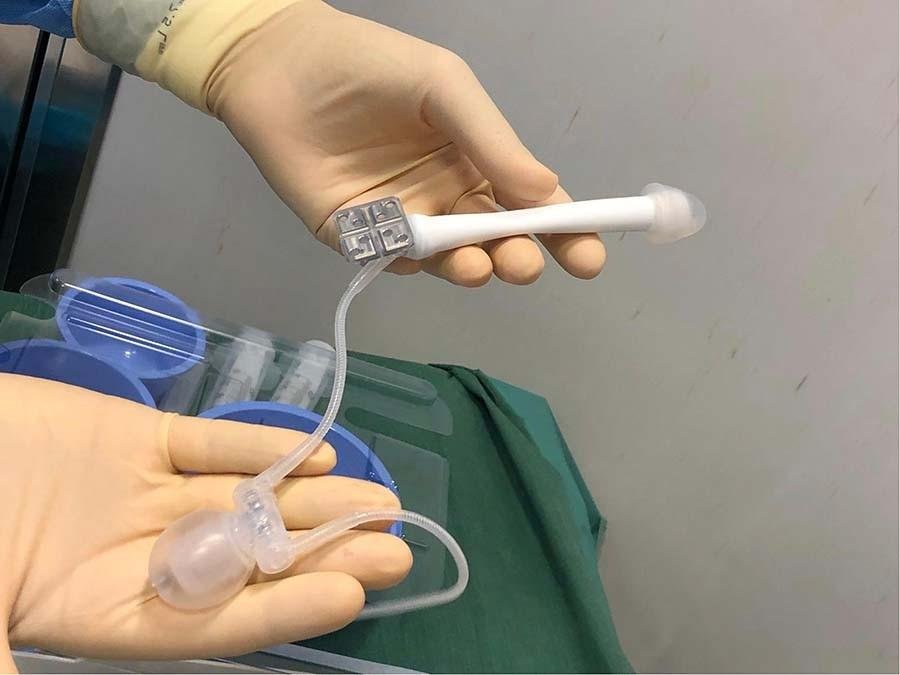
Penile implant surgery, also called penile prosthesis surgery, is a treatment option for men with erectile dysfunction (ED) when other treatments have not provided satisfactory results. It involves placing a medical device inside the penis to produce an erection suitable for sexual intercourse. Penile implants do not increase sexual desire, but they can provide a reliable erection when needed.
What Is Penile Implant Surgery?
A penile implant is a surgically placed device designed to help a man achieve and maintain an erection. Unlike medicines or injections, the implant works mechanically and can provide an erection whenever the person chooses.
Penile prostheses are generally considered when erectile dysfunction is persistent, significantly affects sexual function or quality of life, and does not respond adequately to less-invasive treatments such as oral medicines, vacuum erection devices, or injectable therapies.
The procedure is performed by a urologist and requires careful assessment before surgery to determine whether the patient is an appropriate candidate.
Who May Need a Penile Implant?
A penile implant may be considered for men with severe or persistent erectile dysfunction caused by conditions such as:
- Diabetes
- Cardiovascular or blood-vessel disease
- Nerve damage
- Previous prostate or pelvic surgery
- Spinal cord or neurological disorders
- Certain injuries
- Peyronie's disease in selected cases
- Erectile dysfunction that does not respond adequately to medicines or other treatments
The decision should be individualized. A penile implant is generally not the first treatment for ED. A urologist will first evaluate the underlying cause and discuss nonsurgical options.
Penile prosthesis surgery should also be postponed if a patient has an active urinary tract, skin, or systemic infection because infection can seriously affect the implanted device.
Types of Penile Implants
There are two main types of penile prostheses.
1. Inflatable Penile Implant
Inflatable implants are the most commonly discussed type. A typical three-piece system contains:
- Two cylinders placed inside the penis
- A fluid reservoir placed in the lower abdomen
- A pump placed inside the scrotum
When the man wants an erection, he squeezes the pump, which transfers fluid into the cylinders and makes the penis rigid. Pressing the release mechanism returns the fluid to the reservoir and allows the penis to become flaccid again.
2. Malleable or Non-Inflatable Implant
This type uses flexible rods placed inside the penis. The penis remains relatively firm but can be manually positioned upward for sexual activity and downward afterward.
Malleable implants have a simpler mechanical design and may be considered in certain patients depending on their health, anatomy, lifestyle, and surgeon's recommendation.
How Does Penile Implant Surgery Work?
Before surgery, the urologist evaluates your medical history, erectile function, medications, previous treatments, urinary health, and overall fitness for surgery.
During the operation, the surgeon places the prosthetic components inside the penis. With an inflatable device, the cylinders are positioned within the erectile chambers, while the pump and reservoir are placed in their appropriate locations.
The implant is selected and sized according to the patient's anatomy. The procedure commonly takes around one to two hours, although the exact duration varies according to the individual case and surgical technique.
Tests Before Penile Implant Surgery
There is no single laboratory test that determines whether someone needs a penile implant. Instead, the urologist may recommend investigations to evaluate erectile dysfunction, identify underlying conditions, and make sure surgery is safe.
Depending on the patient's history, these may include:
Blood Glucose or HbA1c
Diabetes is an important risk factor for erectile dysfunction. Blood glucose and HbA1c testing can help identify or assess diabetes and blood-sugar control.
Testosterone Test
A morning total testosterone test may be considered when symptoms suggest testosterone deficiency, particularly when reduced libido accompanies erectile dysfunction.
Lipid Profile
Cholesterol and triglyceride testing may be appropriate because erectile dysfunction can be associated with cardiovascular and vascular disease.
Kidney Function Tests
Creatinine and other kidney-function assessments may be ordered when clinically indicated, particularly in patients with kidney disease or other medical conditions.
Complete Blood Count (CBC)
A CBC may be part of the preoperative evaluation to assess general health and identify issues such as anemia.
Urinalysis
Urinalysis can help identify urinary abnormalities or possible infection. This is particularly important before prosthesis surgery because active urinary infection increases the risk associated with implantation.
Additional tests may be recommended according to the patient's medical history and physical examination. The American Urological Association educational material lists urinalysis, CBC, fasting glucose, creatinine, and, in selected cases, cholesterol, triglycerides, and testosterone among laboratory evaluations used in men with ED.
Other Evaluations Before Surgery
Laboratory testing is only one part of the assessment. Your urologist may also perform:
- Medical and sexual history
- Physical examination
- Assessment of penile anatomy
- Evaluation of urinary symptoms
- Review of previous ED treatments
- Cardiovascular risk assessment
- Medication review
- Assessment of expectations and treatment goals
In selected cases, additional erectile-function testing or imaging may be recommended.
What Happens During Penile Implant Surgery?
Penile implant surgery is usually performed under anesthesia.
The surgeon makes an incision and places the prosthesis inside the erectile chambers of the penis. For an inflatable device, the pump is placed in the scrotum and the reservoir is positioned in the lower abdominal area.
The incisions are then closed, and the patient is monitored during recovery. A urinary catheter may be used temporarily and is often removed after surgery. Many patients can return home the same day, depending on their condition and the surgeon's recommendations.
Is Penile Implant Surgery Painful?
Some pain, swelling, bruising, and tenderness are expected after surgery. These symptoms generally improve as healing progresses.
Your surgeon may prescribe pain medication and provide instructions for wound care and activity restrictions. It is important to follow postoperative instructions carefully to reduce the risk of complications.
Recovery After Penile Implant Surgery
Recovery varies from person to person. Pain, swelling, and discomfort generally improve during the first several days, although tenderness can persist for several weeks.
Patients are usually advised to:
- Keep the surgical area clean and dry
- Take prescribed medicines as directed
- Avoid strenuous exercise during the initial recovery period
- Avoid heavy lifting until cleared by the surgeon
- Attend scheduled follow-up appointments
- Follow specific instructions for operating the implant
Sexual activity should not be resumed until the surgeon confirms that healing is sufficient. Cleveland Clinic notes that many patients are able to resume sexual activity at approximately six weeks, although individual recovery and the surgeon's instructions should determine the timing.
Benefits of a Penile Implant
A penile implant can provide several potential benefits for appropriately selected patients:
- Reliable erections for sexual activity
- Greater control over the timing of an erection
- No need to take ED medication immediately before intercourse
- Long-term treatment for severe ED
- Potential improvement in sexual confidence and quality of life
- High patient satisfaction when expectations are realistic
Importantly, a penile implant does not directly increase sexual desire or libido. It primarily addresses the mechanical problem of achieving penile rigidity.
Does a Penile Implant Affect Sensation, Orgasm, or Ejaculation?
A penile implant primarily improves rigidity. It does not normally change the skin sensation of the penis or directly prevent orgasm or ejaculation.
However, erectile dysfunction may have several causes, and some men may already have problems with sensation, ejaculation, orgasm, or libido. These issues should be discussed with the urologist because an implant does not automatically correct every aspect of sexual dysfunction.
Does a Penile Implant Increase Penis Size?
A penile implant is designed to provide rigidity, not penis enlargement. Patients should not expect the procedure to make the penis longer than its natural size.
Some men may perceive a difference in length after surgery, particularly compared with the appearance of a fully natural erection. Discussing realistic expectations with the surgeon before the procedure is therefore important.
Risks and Possible Complications
Although penile implant surgery is generally considered safe, it is still a surgical procedure and carries potential risks.
Possible complications include:
- Infection
- Bleeding
- Pain or swelling
- Mechanical failure
- Device displacement
- Erosion of the device
- Scarring
- Problems with the pump or reservoir
- Changes in the perceived appearance or length of the penis
- Need for revision or removal of the implant
An infection involving a penile prosthesis can be particularly serious and may require removal of the device or additional treatment.
How Long Does a Penile Implant Last?
Modern penile implants are designed to provide long-term function. Cleveland Clinic reports that newer implants commonly last around 20 years on average, although durability varies between individuals and devices. Mechanical failure can eventually occur, and revision surgery may be required.
When Should You Contact a Doctor After Surgery?
Contact your surgical team promptly if you experience warning signs such as:
- Fever
- Increasing rather than improving pain
- Heavy bleeding
- Significant redness or drainage from the incision
- Increasing swelling
- Difficulty urinating
- Any concern that the device has moved or is not functioning correctly
Early evaluation can help identify and treat complications.
Penile Implant vs. Other ED Treatments
A penile implant is only one treatment option for erectile dysfunction. Depending on the cause and severity of ED, treatment may include lifestyle changes, management of underlying medical conditions, oral medications, vacuum erection devices, or injectable treatments.
An implant may become an option when these approaches are ineffective, unsuitable, or no longer acceptable to the patient. The best treatment depends on the underlying cause of ED, overall health, preferences, and treatment goals.
Why Consultation With a Urologist Is Important
Erectile dysfunction can sometimes be an early sign of underlying health problems, including diabetes, cardiovascular disease, high cholesterol, or other medical conditions. A proper evaluation can therefore do more than determine whether an implant is appropriate—it can help identify potentially treatable causes of ED.
If you have persistent erectile dysfunction, discussing your symptoms with a qualified urologist can help you understand whether medication, another nonsurgical treatment, or penile implant surgery is appropriate for you.
Book an online consultation with a best urologist via InstaCare to discuss erectile dysfunction, available treatment options, required investigations, and whether penile implant surgery may be suitable for your condition.
Frequently Asked Questions
1. Is a penile implant a permanent solution for erectile dysfunction?
It is a long-term treatment, but the device is not guaranteed to last for life. Modern implants can function for many years, and some may eventually require revision or replacement.
2. Can I still have an orgasm after getting a penile implant?
A penile implant primarily provides rigidity and does not directly eliminate the ability to orgasm. However, existing medical or sexual conditions can affect orgasm and ejaculation independently of the implant.
3. Is the implant visible?
Inflatable implants are generally not obvious externally once healing is complete. A small amount of scarring may remain, while the pump is located inside the scrotum.
4. How soon can I have sex after penile implant surgery?
The exact timing depends on healing and your surgeon's instructions. Many patients are cleared for sexual activity at around six weeks, but you should not resume intercourse until your surgeon confirms that it is safe.
5. Can every man with erectile dysfunction get a penile implant?
No. Suitability depends on overall health, the cause and severity of ED, previous treatments, anatomy, infection status, and individual expectations. A urologist must assess the patient before recommending surgery.
Conclusion
Penile implant surgery can offer a reliable and long-term solution for men with persistent erectile dysfunction who have not achieved satisfactory results with other treatments. Inflatable and malleable implants work differently, and the appropriate choice depends on individual anatomy, health, lifestyle, and preferences.
Before surgery, a urologist may recommend laboratory investigations such as blood glucose or HbA1c, testosterone, lipid profile, creatinine, CBC, and urinalysis when clinically appropriate. A thorough evaluation is essential to identify underlying causes of ED and ensure that the patient is medically prepared for surgery.
If erectile dysfunction is affecting your sexual health or quality of life, book an online consultation with the best urologist via InstaCare to discuss your symptoms and personalized treatment options.

 English
 Arabic
 French
 Portuguese
 Deutsch
 Turkish
 Dutch
Dutch
 Italiano
 Russian
 Romaian
 Portuguese (Brazil)
 Greek
Greek