


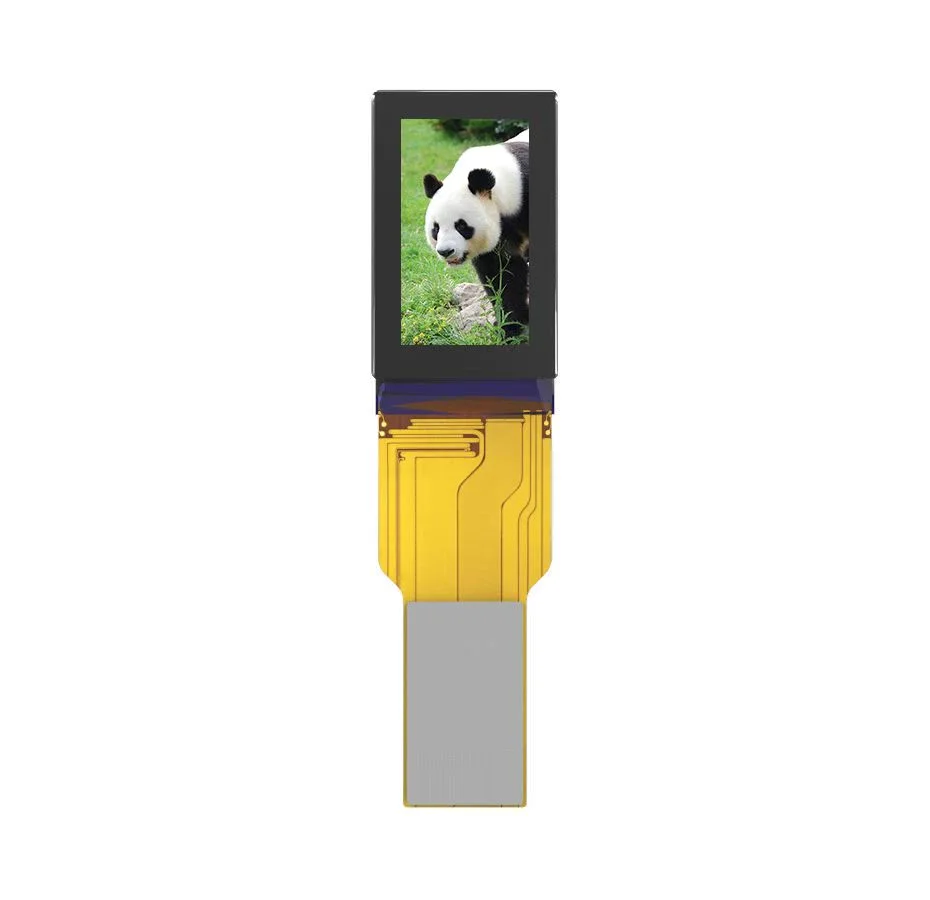
Modern electronics are becoming smaller, lighter, and more sophisticated, creating new challenges for engineers who need to deliver excellent visual performance within limited physical spaces. From wearable devices to advanced optical equipment, compact display components are becoming increasingly valuable. A micro display can provide an effective solution by combining a small physical footprint with the visual capabilities required for specialized electronic and optical applications.
One of the defining advantages of micro display technology is its compact architecture. Traditional display panels may require considerable space, while micro displays are designed for applications where dimensions are tightly constrained. Their small size allows engineers to explore more streamlined product configurations and integrate visual interfaces into devices that would otherwise have limited room for conventional screens.
High pixel density is another important characteristic. Because micro displays concentrate pixels into a small viewing area, they can provide detailed visual information without requiring a large panel. This can be particularly useful for near-eye applications, electronic viewfinders, wearable devices, and specialized optical instruments where users need to see text, graphics, or images clearly.
Micro displays can also support more flexible product design. Engineers can position compact visual components within optical systems, allowing manufacturers to develop devices with unique form factors. This flexibility is especially valuable in products where weight, size, and ergonomics directly influence the user experience.
Wearable technology is one area where compact displays can offer significant advantages. Head-mounted devices, smart glasses, and other wearable products must remain comfortable while providing useful visual information. Large or heavy display components can make such devices difficult to wear for extended periods. Compact display technology provides engineers with additional options for reducing overall device size while maintaining an integrated visual interface.
Optical equipment can also benefit from micro display integration. Electronic viewfinders, specialized scopes, industrial visualization systems, and other optical products often require displays that work efficiently within restricted internal spaces. A compact component can be combined with lenses, mirrors, prisms, or other optical elements to create a complete viewing system tailored to specific requirements.
Choosing the right micro display requires more than simply comparing physical dimensions. Engineers should evaluate resolution, active display area, pixel density, interface compatibility, brightness, power requirements, viewing characteristics, operating conditions, and mechanical integration. These specifications should be considered alongside the optical architecture of the final product.
Power consumption can also be an important factor, particularly in portable and battery-powered devices. Efficient display operation can help manufacturers balance visual performance with available battery capacity. This becomes increasingly important as wearable products become more feature-rich while users expect longer operating times.
Manufacturing consistency is equally important for compact optical systems. Small deviations in display characteristics or integration can influence the performance of the finished device. Working with an experienced technology supplier can help product developers identify suitable components and better understand the requirements involved in integrating compact displays into specialized systems.
The growing demand for smaller electronics is likely to continue driving innovation in display technology. As devices become more portable and immersive, manufacturers need visual components that can deliver detailed information without occupying unnecessary space. A micro display can provide the compactness, visual detail, and integration flexibility required for many modern applications. By selecting appropriate specifications and carefully considering the complete optical and electronic system, manufacturers can use micro display technology to create innovative products that balance size, performance, usability, and design freedom.

 English
 French
 Spanish
 Portuguese
 Deutsch
 Turkish
 Dutch
Dutch
 Italiano
 Russian
 Romaian
 Portuguese (Brazil)
 Greek
Greek