


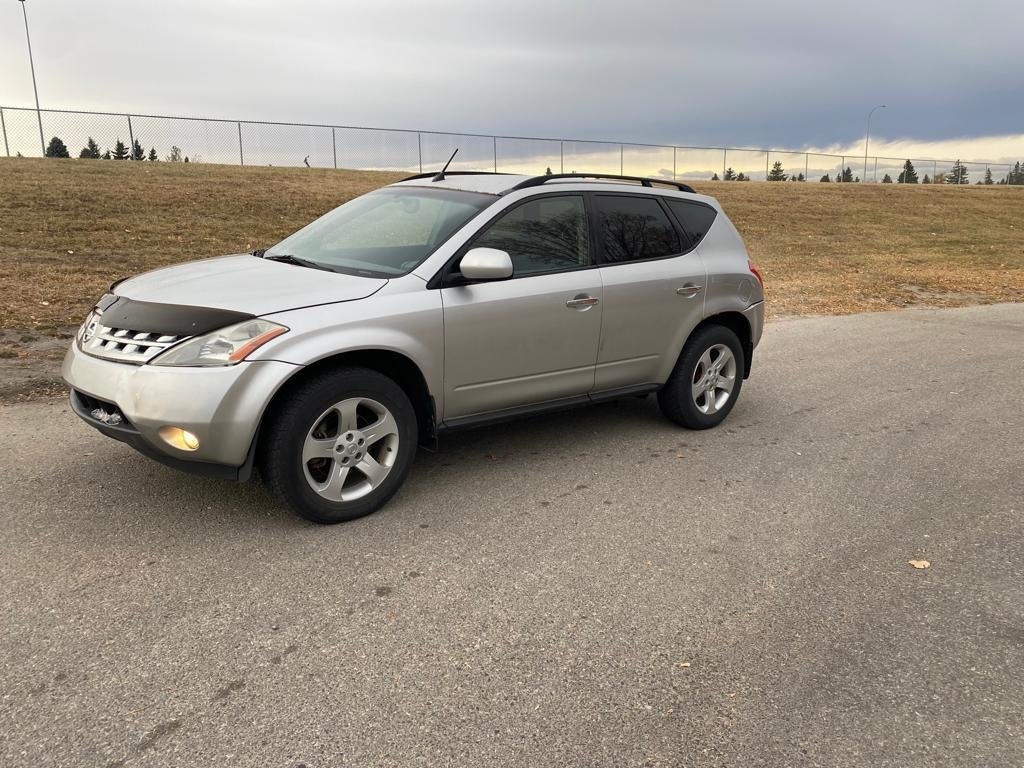
Have you ever wondered why two cars with the same make, model, and year can receive completely different cash offers?
At first, it seems unfair.
If two people own the exact same vehicle, shouldn't they get roughly the same amount?
Not necessarily.
When you're looking for cash for cars in Edmonton, buyers don't simply look at the badge on the hood. They evaluate the condition, mileage, parts, damage, market demand, ownership documents, and even how easily the vehicle can be collected.
That's why one car can receive an attractive offer while another identical-looking vehicle receives a much lower one.
Let's break down what actually causes the difference.
The Same Model Doesn't Mean the Same Vehicle
Imagine two people own the same 2014 sedan.
Both vehicles have:
· The same manufacturer
· The same model
· The same model year
· Similar mileage
On paper, they look almost identical.
But Vehicle A has been regularly maintained, still starts, has complete components, and has relatively minor cosmetic damage.
Vehicle B hasn't run for two years, has significant body damage, missing components, and severe rust.
They're the same model.
They're definitely not the same asset.
This is the first thing to understand when comparing cash car offers in Edmonton.
1. Condition Can Change Everything
Vehicle condition is one of the most important factors.
A functioning vehicle may have value as transportation, while a non-running vehicle may be valued primarily for salvageable parts and recyclable materials.
Even among non-running cars, condition can vary dramatically.
Consider these two scenarios:
Car A:
Engine doesn't start, but the transmission, wheels, interior, electronics, and other components remain intact.
Car B:
Engine doesn't start, several components are missing, and the vehicle has extensive damage.
Both are “non-running.”
But their potential value can be very different.
That's why simply telling a buyer, “My car doesn't run,” doesn't provide enough information to determine its value.
2. Mileage Isn't the Whole Story
Mileage matters, particularly when you're selling a functioning used car.
But it isn't the only measurement of a vehicle's condition.
A 180,000-kilometre car with consistent maintenance may be in better shape than a 120,000-kilometre vehicle that has been neglected.
For junk and salvage vehicles, other factors can become even more important.
The engine condition, transmission, body, parts availability, and overall completeness may have a greater impact than the odometer alone.
So if one identical car has lower mileage, don't automatically assume it will receive the better offer.
3. Maintenance History Creates a Difference
Two identical vehicles can have completely different histories.
One may have received regular servicing, while the other may have spent years being driven with unresolved problems.
Maintenance records can provide useful information about how a vehicle was cared for.
For a functioning used vehicle, this history can influence buyer confidence.
For a junk or salvage vehicle, maintenance may be less important than the condition of the components that remain—but it can still provide useful context.
4. Accident Damage Isn't Always Equal
“Accident damaged” covers a huge range of conditions.
A small dent is not the same as major structural damage.
A damaged bumper is not the same as a severely damaged frame.
A vehicle can therefore lose different amounts of value depending on the type, location, and severity of damage.
If you're requesting a quote for junk car removal in Edmonton, describe the damage accurately.
Photos can also help a buyer understand the vehicle before pickup.
5. Missing Parts Can Reduce the Offer
This is one of the easiest things for sellers to overlook.
Imagine someone removes the catalytic converter, wheels, battery, or other valuable components from a vehicle before selling it.
The vehicle may still look like the same model.
But its recoverable value has changed.
A complete vehicle can offer more potential parts and materials than one that has already been stripped.
If anything important is missing, mention it when requesting an estimate.
6. Parts Demand Can Make Identical Cars Worth Different Amounts
Here's an interesting part of the equation:
Not every vehicle's parts have the same demand.
Some models have a large number of vehicles on the road, creating ongoing demand for replacement components.
Others may have limited demand.
This can affect the potential salvage value of an otherwise similar vehicle.
A buyer isn't just asking:
“What model is this?”
They're also considering:
“What can realistically be recovered, reused, recycled, or resold from this particular vehicle?”
7. Scrap Metal Prices Change
If a vehicle is primarily being purchased for recycling, recyclable materials contribute to its value.
But metal markets aren't static.
Scrap prices can change over time, which means the value of an end-of-life vehicle can also fluctuate.
This is why a quote from several months ago shouldn't automatically be treated as today's market value.
The timing of your sale can matter.
8. Location and Pickup Difficulty Matter
Now consider something completely unrelated to the car itself:
Where is it parked?
A running vehicle parked in an accessible driveway is relatively straightforward to collect.
A non-running vehicle trapped in a tight space may require additional effort or equipment.
If you're comparing cash for cars Edmonton services, ask whether towing or vehicle removal is included.
The best-looking offer isn't necessarily the best deal if additional charges are deducted later.
9. Vehicle Documents Can Affect the Selling Process
Ownership documentation is another practical consideration.
Before arranging a sale, make sure you understand what documents are required and have your vehicle identification information available.
A buyer may need to verify that you're authorized to sell the vehicle.
Having your paperwork organized can make the process smoother and help avoid unnecessary delays.
10. Market Demand Is Always Moving
The automotive market doesn't stay frozen.
Demand for certain vehicles, parts, and materials changes.
That means the same vehicle might receive different offers at different times.
This doesn't automatically mean one buyer is being unfair.
It means vehicle valuation is influenced by current market conditions.
Same Model, Different Value: A Quick Comparison
| Factor | Car A | Car B |
| Same model/year | Yes | Yes |
| Running | Yes | No |
| Major damage | Minor | Severe |
| Major parts | Complete | Some missing |
| Mileage | 150,000 km | 150,000 km |
| Accessibility | Easy | Difficult |
| Parts condition | Good | Mixed |
| Potential value | Higher | Lower |
Notice something important?
Mileage is exactly the same.
Yet almost every other factor differs.
That's why a vehicle's value can't be determined from the odometer or model name alone.
How to Get a More Accurate Cash Offer
Want to avoid an unexpectedly low quote?
Prepare before requesting one.
Have these details ready:
1. Year, make and model
Give the exact vehicle information.
2. Mileage
Provide an honest estimate if you don't know the exact number.
3. Running condition
Explain whether the engine starts and whether the vehicle can move.
4. Damage
Mention accidents, rust, dents, mechanical problems, and other major issues.
5. Missing components
Tell the buyer if important parts have already been removed.
6. Location
Explain where the vehicle is located and whether it's accessible.
7. Documents
Have relevant ownership information available.
8. Photos
Clear exterior and interior photos can provide additional context.
The more accurate the information, the easier it is to establish a realistic expectation.
The Biggest Mistake: Comparing Only the Dollar Amount
Suppose Company A offers $1,000.
Company B offers $1,100.
At first glance, Company B wins.
But then you discover Company B charges a removal fee while Company A includes pickup.
Your “$1,100 offer” may not actually leave you with $1,100.
That's why you should compare the final amount you receive, not just the headline number.
Ask:
· Is towing included?
· Are there additional fees?
· Is the quote conditional?
· Can the price change after inspection?
· What paperwork is required?
Clear questions can prevent unpleasant surprises.
Final Takeaway
Two cars can have the same make, model, and year yet receive completely different cash offers because they aren't truly identical in value.
Condition, mileage, maintenance, accident history, missing parts, component demand, scrap prices, vehicle completeness, location, and market conditions can all influence the final figure.
If you're looking for cash for cars in Edmonton, don't try to estimate your vehicle's worth from the model alone.
Instead, look at the complete picture.
Same model ≠ same condition.
Same condition ≠ same parts value.
Same parts value ≠ same market offer.
Once you understand what buyers are actually evaluating, a cash offer becomes much easier to judge—and you can make a decision based on the real value of your vehicle rather than simply its age or model name.

 Arabic
 French
 Spanish
 Portuguese
 Deutsch
 Turkish
 Dutch
Dutch
 Italiano
 Russian
 Romaian
 Portuguese (Brazil)
 Greek
Greek