


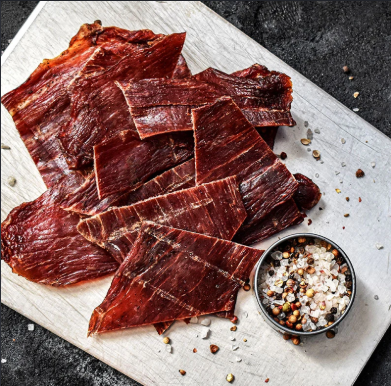
Jerky is a unique type of food that combines simplicity, flavor, and convenience. Made by drying seasoned meat, jerky has been enjoyed for generations as a practical way to preserve food and create a portable snack. Today, it is available in many different varieties and flavors, making it popular with travelers, outdoor enthusiasts, busy professionals, and people who simply enjoy savory snacks.
What makes jerky interesting is its ability to turn ordinary meat into something completely different. The drying process creates a chewy texture and concentrates the flavor of the meat and seasonings. A small piece can deliver a surprisingly strong taste, making jerky a satisfying choice between meals.
What Is Jerky?
Jerky is meat that has been cut into strips or thin pieces, seasoned, and dried. During the drying process, much of the moisture is removed from the meat. This creates the firm texture that is commonly associated with jerky.
While beef is perhaps the best-known option, jerky can be prepared from various types of meat. Different meats have their own flavors and textures, while seasonings can further change the final product.
The texture of jerky can range from soft and tender to dry and firm. Some people prefer a piece that is easy to chew, while others enjoy a tougher texture that takes longer to eat.
The Traditional Idea Behind Jerky
The origins of jerky are connected to the ancient practice of preserving meat. Before refrigerators and modern food-storage technology, keeping meat fresh was a challenge. Drying provided a practical way to reduce moisture and make meat easier to store.
People developed different methods depending on their surroundings and available resources. Meat could be sliced into thin pieces and exposed to controlled heat, air, sunlight, or smoke. Salt and other seasonings could also be used to improve flavor.
The basic idea remains relevant today. Modern jerky may be produced using sophisticated equipment, but the fundamental process still involves preparing meat and reducing its moisture.
Preparing Meat for Jerky
The quality of the meat plays an important role in the final product. Lean meat is generally preferred because large amounts of fat can affect the texture and storage characteristics of jerky.
The meat is trimmed before being sliced into strips. The thickness of the slices is important because it affects both drying time and texture. Thin slices tend to dry more quickly and can become firm, while thicker slices may produce a softer and meatier result.
The direction of slicing can also influence the chewing experience. Cutting across muscle fibers can make the finished pieces easier to chew, while cutting along the fibers can create a more pronounced chewy texture.
Preparing consistent slices helps ensure that the pieces dry at a similar rate.
The Art of Seasoning Jerky
Seasoning is one of the most creative parts of making jerky. Meat provides a savory foundation, while spices, sauces, and other ingredients create the final flavor.
Traditional seasonings often include salt and black pepper. Garlic and onion are also common choices because they add strong savory notes.
For people who enjoy heat, chili peppers and hot sauces can turn ordinary jerky into a spicy snack. Sweet ingredients can create a contrasting flavor by balancing saltiness and spice.
Smoky seasonings are another popular option. They can give jerky a deep, barbecue-inspired taste.
There is no single recipe that defines jerky. The seasoning can be as simple or complex as the cook prefers.
Different Flavors of Jerky
The wide variety of jerky flavors is one of the reasons it remains popular. Different combinations can appeal to completely different tastes.
Classic jerky usually focuses on beef or another meat with salt, pepper, garlic, and other basic seasonings. It allows the natural flavor of the meat to remain prominent.
Peppered jerky increases the amount of black pepper and creates a sharper flavor. Spicy varieties may contain chili, cayenne, or hot sauces.
Sweet-and-savory jerky combines salty meat with a touch of sweetness. Teriyaki-inspired flavors are a familiar example of this approach.
Barbecue-style jerky emphasizes smoky and savory flavors, sometimes with a touch of sweetness.
Homemade jerky can go even further. Cooks can experiment with herbs, citrus, ginger, different peppers, and unusual seasoning combinations to create a personal recipe.
Why Texture Is Important
Texture is one of the defining features of jerky. Unlike chips, crackers, or other crunchy snacks, jerky is designed to be chewy.
Some people prefer soft jerky that is flexible and tender. Others enjoy firm pieces because they provide a longer eating experience.
Several factors determine texture. The cut of meat, thickness of the slices, marinade, drying temperature, and drying time can all make a difference.
The desired texture is largely a matter of personal preference. This is why trying several types of jerky can be useful for finding the style that suits an individual taste.
Jerky as a Convenient Snack
One of the biggest advantages of jerky is convenience. It is compact, portable, and ready to eat. There is no need for plates, cooking equipment, or complicated preparation.
This makes jerky particularly useful for travel. A small package can fit easily into a backpack, lunch bag, suitcase, or vehicle.
Outdoor enthusiasts also appreciate its portability. Hikers, campers, and travelers often need foods that are easy to carry and consume while away from home.
Jerky can also be useful during busy days. Instead of preparing a complicated snack, someone can simply open a package and enjoy a few pieces.
Nutritional Aspects of Jerky
Because jerky is made from meat, it can provide protein. Removing water from meat makes the finished product more concentrated, which means a relatively small serving can contain a considerable amount of protein.
Depending on the meat used, jerky may also provide nutrients such as iron, zinc, and B vitamins.
However, jerky products differ in their ingredients and nutritional content. Some contain substantial amounts of salt, while others may include added sugars in their marinades.
For this reason, people who eat jerky regularly should consider serving sizes and nutritional information. Choosing products that match personal dietary preferences can make jerky a useful addition to a varied diet.
Making Jerky at Home
Homemade jerky can be an enjoyable cooking project. It gives people complete control over the flavor and texture of the finished product.
A typical process involves selecting lean meat, trimming it, slicing it into strips, seasoning or marinating it, and drying it using an appropriate method.
One of the most enjoyable aspects of homemade jerky is experimentation. A cook can make one batch with garlic and black pepper and another with chili and a sweet marinade.
Food safety should always be considered when preparing jerky. Raw meat needs to be handled carefully, suitable heating and drying procedures should be followed, and the finished product should be stored appropriately.
Jerky and Outdoor Adventures
Jerky has long been associated with outdoor activities. Its compact form makes it easy to carry, while its strong flavor makes it appealing during long trips.
A hiker can place a small package in a backpack without using much space. A camper can enjoy it between meals, while someone on a road trip can keep it available during a long journey.
Its portability is particularly valuable when refrigeration and cooking facilities are limited. This practical quality has helped jerky maintain its reputation as an adventure-friendly snack.
The Growing Variety of Jerky
Modern jerky is no longer limited to a few traditional flavors. Consumers can find products with different meats, textures, spice levels, and seasoning combinations.
This variety has made jerky attractive to a much wider audience. People who once considered dried meat a basic survival food can now enjoy it as a specialty snack.
Homemade recipes have also contributed to this variety. With different marinades and seasonings available, there are almost endless ways to create distinctive flavors.
Conclusion
Jerky is a simple but versatile food that has successfully moved from traditional meat preservation into modern snack culture. Its combination of concentrated flavor, chewy texture, portability, and variety makes it appealing to people in many different situations.
Whether it is made from beef or another type of meat, jerky can be seasoned in countless ways. Classic pepper, garlic, smoky barbecue, sweet marinades, and spicy combinations are just a few of the possibilities.
Its history demonstrates the usefulness of drying as a method of preserving meat, while its modern popularity shows how traditional foods can evolve with changing tastes.
For travelers, outdoor enthusiasts, busy people, and snack lovers, jerky offers a convenient way to enjoy a flavorful meat-based snack. Whether purchased from a store or carefully prepared at home, jerky continues to prove that simple ingredients can create a memorable food experience.

 Arabic
 French
 Spanish
 Portuguese
 Deutsch
 Turkish
 Dutch
Dutch
 Italiano
 Russian
 Romaian
 Portuguese (Brazil)
 Greek
Greek