


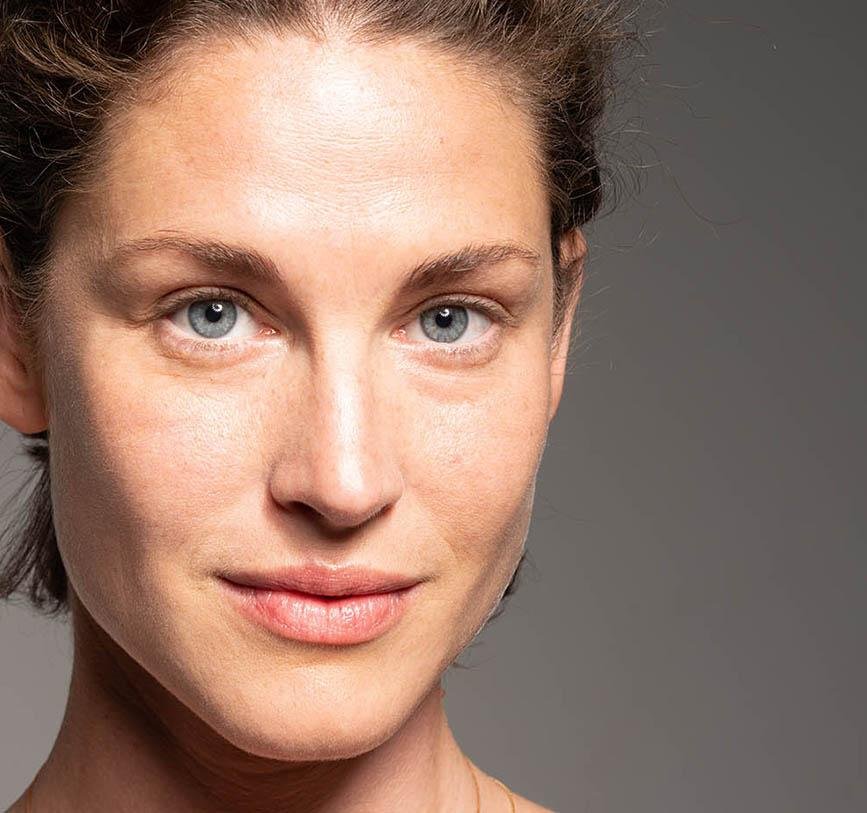
Recovery is an important part of the eyelid surgery journey. While the procedure itself is designed to improve the appearance and structure of the upper eyelids, the healing period allows the treated area to settle and gradually reveal the results. Understanding what recovery may involve can help patients feel prepared and know what to expect at each stage.
Upper Blepharoplasty in London is a popular cosmetic procedure for people who want to improve the appearance of the upper eyelids. It can address excess skin and create a more defined appearance around the eyes while maintaining a natural-looking result. At Bodyvie Clinic, recovery guidance is tailored to each patient because healing can vary depending on the individual and the extent of treatment.
From the first few days after surgery to the gradual return to everyday activities, knowing how the recovery process progresses can make the experience more comfortable and straightforward.
What Is Upper Blepharoplasty?
Upper blepharoplasty is a surgical procedure involving the upper eyelids. The treatment is designed to address concerns such as excess eyelid skin and changes in the upper-eye area that can develop over time.
During Upper Eyelid Surgery In London, the surgeon carefully plans the treatment according to the patient's facial features, eyelid structure and desired outcome. The incision is generally positioned within the natural crease of the upper eyelid, allowing the area to heal discreetly.
Because the eyelids are a delicate and highly visible part of the face, careful planning and appropriate aftercare are important parts of the overall treatment journey.
What Happens Immediately After Upper Eyelid Surgery?
The first few hours following surgery are focused on initial recovery. Patients are usually given specific aftercare instructions before leaving the clinic. These instructions may cover how to care for the eyelid area, how to rest comfortably and when to attend follow-up appointments.
The eyes may look different immediately after treatment because the tissues are beginning to heal. Patients should not expect the final appearance straight away. The eyelids need time for the initial postoperative changes to settle.
Having someone available to accompany you home and assist with practical tasks during the initial recovery period can also make the first day easier.
What Can You Expect During the First Few Days?
The first several days are generally the most important period for allowing the eyelids to settle. Patients are encouraged to take things calmly and avoid unnecessary exertion.
The eyelid area may appear fuller than expected during this early stage, and the appearance can change from one day to the next. This is a normal part of the healing process.
Rest is particularly valuable during the first few days. Keeping the head comfortably elevated while resting may be recommended by your surgical team as part of your individual aftercare instructions.
Patients should also follow all instructions provided by their surgeon rather than relying on general recovery advice found online.
How Long Does Initial Recovery Take?
Initial recovery after Upper Blepharoplasty in London commonly takes around one to two weeks, although the exact timeframe varies between individuals.
Many patients gradually resume their normal routine during this period. However, the eyelids may continue to look different as healing progresses, meaning that recovery does not necessarily end when a patient returns to work or social activities.
The body continues to remodel and settle the treated tissues over the following weeks. Patience is therefore an important part of the recovery journey.
When Can You Return to Work?
The appropriate time to return to work depends on the type of job you have and how your recovery is progressing.
People working from home or in less physically demanding roles may feel comfortable returning relatively soon, while those with more active occupations may require additional time.
Some patients also choose to take extra time away from work simply because they prefer to allow the eyelid area to settle before returning to their usual professional routine.
Your surgeon can provide personalised guidance based on your procedure and recovery.
When Can You Resume Normal Activities?
Returning to everyday activities should be gradual. Light activities may be introduced as advised by your surgical team, while strenuous exercise and demanding physical activity should be resumed according to your surgeon's instructions.
The eyelid area needs time to settle, so rushing back into a full schedule is generally unnecessary. Following a structured recovery plan can make it easier to transition back to normal activities.
Patients should also attend any scheduled follow-up appointments so their progress can be reviewed.
What About Makeup After Upper Eyelid Surgery?
Makeup is an important consideration for many patients, particularly those who regularly use eye cosmetics.
Following Upper Eyelid Surgery In London, patients are normally given specific instructions regarding when makeup can be applied around the treated area. It is important not to apply products too soon simply to conceal temporary changes during recovery.
Once your surgeon confirms that makeup can be used again, patients can gradually return to their usual cosmetic routine.
When Will the Eyelids Start to Look More Natural?
The appearance of the eyelids changes progressively during recovery. The early postoperative period is not an accurate representation of the final result.
As the tissues settle, the eyelid contour can become more refined. Any temporary changes in appearance gradually improve, allowing the outcome of the procedure to become clearer.
It is useful to compare progress over several weeks rather than judging the result from day to day. Taking occasional photographs can also help patients appreciate how the treated area changes throughout recovery.
How Should You Care for Your Eyelids During Recovery?
Good aftercare is an essential part of the healing process. Your Blepharoplasty Clinic in London should provide clear instructions designed around your individual procedure.
General aspects of postoperative care may include keeping the area clean as directed, following instructions concerning prescribed or recommended products and attending follow-up appointments.
Patients should avoid experimenting with skincare products or treatments around the eyes unless their surgical team has confirmed that they are suitable.
The skin around the eyes is particularly delicate, so a simple and carefully managed skincare routine is generally preferable during the early recovery period.
Why Are Follow-Up Appointments Important?
Follow-up appointments allow your surgeon to assess how the eyelids are progressing and provide further guidance as recovery continues.
These appointments can also help determine when you can gradually return to activities such as exercise, wearing eye makeup and using your normal skincare products.
Every patient heals differently, so follow-up care provides an opportunity for recommendations to be adjusted according to your progress rather than following a fixed schedule.
How Does Recovery Progress Over Several Weeks?
Recovery is best understood as a gradual process rather than a single event.
During the first week, the focus is generally on rest and following postoperative instructions. During the second week, many patients begin returning to more of their usual activities, depending on their individual progress.
Over the following weeks, the eyelid area continues to settle. The appearance becomes progressively more refined, while the incision line also continues to mature.
Although visible improvement can develop relatively quickly, subtle changes may continue for a longer period. This is why patients are usually advised to allow adequate time before judging the final outcome.
What Can Help Make Recovery More Comfortable?
Preparation before surgery can make the recovery period easier. Organising time away from work, arranging transportation and having everyday essentials available at home can reduce unnecessary demands during the first few days.
It can also be helpful to prepare a comfortable resting area and ensure that you have access to anything recommended by your surgical team.
Most importantly, patients should follow the personalised aftercare plan provided by their surgeon. Individual instructions take priority because each procedure and recovery experience is different.
Choosing a Blepharoplasty Clinic in London
Selecting an appropriate clinic is an important part of the overall treatment journey. Patients considering Upper Blepharoplasty in London should look for a clinic where consultation, surgical planning and postoperative care are treated as connected parts of the experience.
Bodyvie Clinic provides aesthetic and surgical treatments in London, with treatment planning focused on the individual rather than using a one-size-fits-all approach.
A consultation provides an opportunity to discuss your goals, understand the proposed procedure and learn more about what your recovery may involve.
Conclusion
Recovery after Upper Blepharoplasty in London is a gradual process that allows the upper eyelids to settle and the results of surgery to develop naturally. The first few days are generally centred around rest and following postoperative instructions, while the following weeks involve a progressive return to normal activities.
Patients should remember that returning to work or everyday activities does not necessarily mean the healing process is completely finished. The appearance of the eyelids can continue to refine over time.
By following personalised aftercare instructions, attending follow-up appointments and allowing the body sufficient time to heal, patients can approach their recovery with greater confidence and realistic expectations. A consultation with an experienced Blepharoplasty Clinic in London can provide more specific information about what to expect based on your individual treatment plan.
FAQs
How long does recovery take after upper blepharoplasty?
Initial recovery commonly takes around one to two weeks, but the overall healing process continues beyond this period. The exact timeframe varies between patients.
When can I return to work after upper eyelid surgery?
The timing depends on your occupation and individual recovery. Patients with less physically demanding work may return sooner, while others may prefer additional recovery time.
When can I wear eye makeup after upper blepharoplasty?
Your surgeon will advise you when it is appropriate to resume eye makeup. It is important to wait until the treated area has sufficiently healed and your surgical team has approved its use.
Can I exercise during upper blepharoplasty recovery?
Exercise should be reintroduced gradually and according to your surgeon's postoperative instructions. Strenuous activities may need to be avoided during the early recovery period.
When will I see the results of upper blepharoplasty?
The appearance of the eyelids changes progressively during recovery. While improvements may become noticeable relatively early, the tissues continue to settle over the following weeks.
Will I need follow-up appointments?
Yes, follow-up appointments are an important part of postoperative care. They allow your surgeon to assess your progress and provide guidance as your recovery develops.
How should I care for my eyelids after surgery?
Your surgeon will provide personalised aftercare instructions. These may include guidance on keeping the area clean, using recommended products and knowing when to resume normal skincare and cosmetic routines.
Is upper blepharoplasty recovery the same for everyone?
No. Recovery varies depending on individual healing, the extent of surgery and other personal factors. Your surgeon can provide the most accurate recovery guidance during your consultation.
When can I return to my usual routine?
Many patients gradually return to normal activities during the first couple of weeks, but the precise timeframe varies. Your surgeon will advise you when it is appropriate to resume specific activities.
Why should I choose a specialist blepharoplasty clinic?
A specialist clinic can provide a structured treatment journey that includes consultation, personalised surgical planning and postoperative follow-up. This helps ensure that your recovery guidance is appropriate for your individual procedure.

 English
 Arabic
 French
 Spanish
 Portuguese
 Deutsch
 Turkish
 Dutch
Dutch
 Russian
 Romaian
 Portuguese (Brazil)
 Greek
Greek