


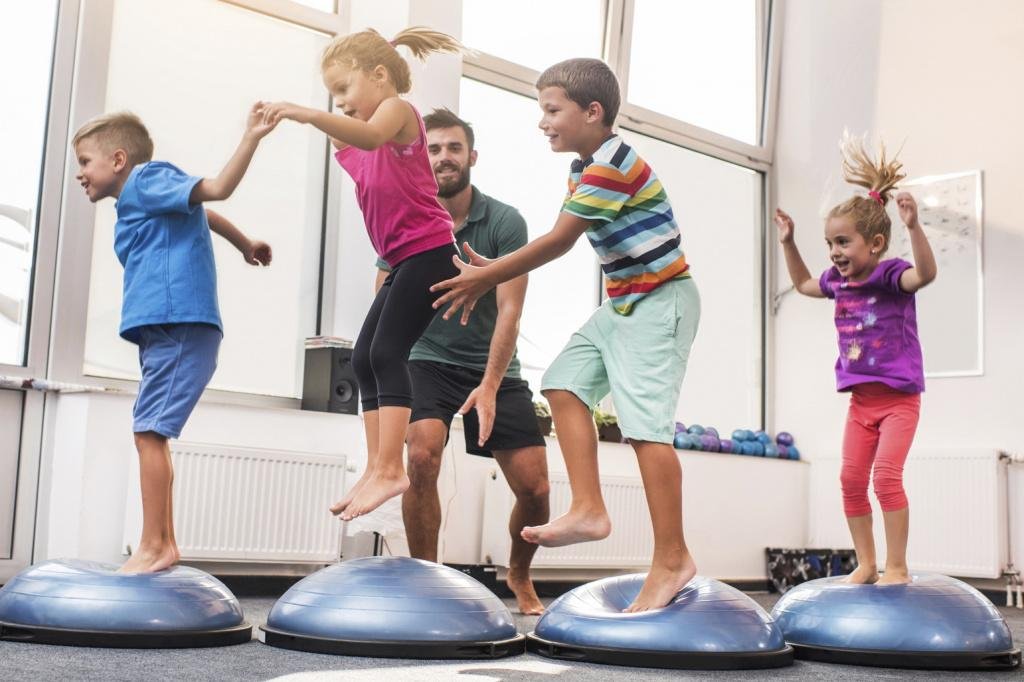
Movement is at the core of childhood experience. Children discover the world through physical exploration and active play. Every jump, crawl, climb, and roll teaches the body something new. Well-developed movement skills support learning, confidence, and social connection. When movement development is delayed or disrupted, every aspect of life is affected. Parents who understand how movement skills develop can support their children effectively. They can also identify when professional support may be needed. This article explains how to support better movement skills during childhood and why it matters deeply.
Understanding Movement Skill Development
Movement skills are broadly divided into two categories. Gross motor skills involve large muscle groups and whole-body movements. Running, jumping, climbing, and throwing are all gross motor activities. Fine motor skills involve smaller, more precise hand and finger movements. Writing, cutting, threading, and buttoning require fine motor control. Both types of skills develop progressively throughout the early years. Each skill builds on the foundation of the previous one. Disruption at any stage can create gaps that compound over time.
The Developmental Sequence of Movement
Children develop movement skills in a predictable sequence. Rolling precedes sitting. Sitting precedes standing. Standing precedes walking. Each stage builds the strength and coordination needed for the next. Babies typically begin rolling between four and six months. Sitting with support emerges around six months of age. Independent walking usually begins between nine and fifteen months. Understanding this sequence helps parents identify when a child may be falling behind. Early support produces the most significant and lasting improvements.
Why Movement Skills Matter Beyond Physical Health
Movement skills are about far more than physical fitness alone. They influence cognitive development, social participation, and academic readiness. Children who move confidently explore their environments more broadly. Exploration drives language development, problem-solving, and curiosity. Children who struggle physically often miss out on the social experiences of play. Team sports, playground games, and group activities require physical competence. Academic skills like writing depend on fine motor development. Movement skills therefore shape a child's entire developmental profile.
Strategies to Support Movement Development at Home
Parents have an enormous influence on their child's physical development. The home environment either supports or limits movement opportunities. Small changes in daily routine can produce meaningful developmental gains.
Encourage Active Outdoor Play
Outdoor play is one of the most powerful motor development tools. Natural environments offer varied terrain that challenges balance and coordination. Climbing trees, running on grass, and navigating uneven surfaces build proprioception. Playgrounds provide opportunities for upper limb weight-bearing and grip strength. Children who spend more time outdoors consistently demonstrate stronger gross motor skills. Limiting screen time and encouraging outdoor exploration is a simple but powerful strategy.
Prioritise Floor Time From Birth
Floor time is essential for infant motor development. Tummy time builds neck, shoulder, and core strength in young babies. Rolling, pivoting, and crawling on the floor develop bilateral coordination. Floor play encourages exploration of different movement positions naturally. Sitting babies upright in bouncers or car seats limits movement opportunities. Maximising time on the floor during awake periods supports healthy development. This simple strategy is consistently recommended by paediatric physiotherapists and developmental experts.
Incorporate Fine Motor Activities Into Daily Life
Fine motor skills develop through everyday activities and structured crafts. Drawing, painting, playdough, and threading beads build hand strength and dexterity. Dressing activities like buttoning, zipping, and tying develop finger coordination. Mealtimes using child-sized utensils support grip and hand control development. Arts and crafts provide rich fine motor development opportunities that children enjoy. These activities can be embedded naturally into daily routines without significant effort.
The Role of Play in Motor Skill Development
Play is the primary medium through which children develop movement skills. Children do not need formal instruction to learn to move. They need rich, varied play experiences that challenge their physical abilities. Active play promotes gross motor development through running and climbing. Constructive play with building blocks and puzzles develops fine motor skills. Imaginative play encourages exploration of different movement patterns and postures. Children who play freely across a variety of contexts develop stronger movement skills. Adults who facilitate and encourage diverse play support motor development most effectively.
When to Seek Professional Support
Some children need professional support to develop movement skills. Knowing when to seek help is important for parents. Not every delay requires intervention, but some delays do need assessment.
Signs That Professional Assessment Is Needed
A child not walking by eighteen months warrants professional evaluation. Persistent toe walking beyond age three is another important signal. Frequent unexplained falling beyond typical toddler stages deserves assessment. Poor coordination that consistently affects daily activities should be investigated. Difficulty keeping up with peers during physical play is a meaningful sign. Complaints of pain during or after physical activity in children are significant. These signs don't always indicate serious conditions, but they deserve attention.
A skilled paediatrics physiotherapist conducts a thorough developmental assessment for each child. They identify specific movement deficits and their underlying physical causes. Treatment plans are personalised, play-based, and completely child-friendly in approach. Families receive practical guidance on supporting development between clinic sessions. Goals are set collaboratively and reviewed regularly as the child progresses. Early professional support consistently produces the most meaningful and lasting outcomes.
How Physiotherapy Supports Better Movement Skills
Physiotherapy offers targeted, evidence-based support for movement skill development. Therapists use specific techniques to address each child's individual movement challenges. The approach is always grounded in developmental science and neuroscience.
Gross Motor Rehabilitation Techniques
Balance training improves postural stability during all movement activities. Proprioceptive training enhances body awareness and coordination in daily life. Strengthening exercises build the muscle capacity children need for movement. Gait training corrects abnormal walking patterns through guided practice. These techniques are delivered through play-based sessions children genuinely enjoy. Progress is consistent, measurable, and celebrated at every stage of therapy.
Fine Motor Rehabilitation Techniques
Hand strengthening exercises build the grip and pinch strength needed for writing. Dexterity activities improve finger isolation and coordination for daily tasks. Sensory integration activities address tactile sensitivity that affects hand function. Pencil grip exercises and pre-writing programmes prepare children for academic writing. Therapists adapt activities to each child's age, ability, and interests. Children make meaningful fine motor gains within weeks of consistent therapy.
Nutrition, Sleep, and Movement Development
Physical development is supported by adequate nutrition and quality sleep. Iron deficiency can impair muscle strength and motor development in children. Adequate protein supports muscle growth and repair during active development. Calcium and vitamin D support bone health during rapid skeletal growth. Sleep is when growth hormone is released and physical development consolidates. Children who sleep well consistently demonstrate stronger motor skill development. Adequate nutrition and sleep are foundational supports for every therapeutic intervention.
Building a Movement-Rich Environment at Home
Creating a movement-rich home environment is one of the best parental investments. Open floor space allows crawling, rolling, and active indoor exploration. Age-appropriate climbing structures and balance boards support gross motor development. Craft supplies, drawing materials, and playdough support fine motor development at home. Limiting time in bouncers, walkers, and car seats encourages active movement. Encouraging independence in dressing, self-feeding, and tidying builds functional motor skills. Every opportunity for independent physical activity supports motor development meaningfully.
The Importance of Consistency and Patience
Motor skill development takes time, repetition, and patient support. Children learn through thousands of repeated movement experiences over time. Consistent daily practice of therapeutic home activities produces the fastest results. Parents who celebrate small achievements motivate their children to keep trying. Setbacks and plateaus are normal and should not cause alarm. Therapists prepare families for natural fluctuations in progress throughout therapy. Children who are supported patiently and consistently reach their full physical potential. The investment in movement skill development pays dividends across every area of life.
The Long-Term Benefits of Strong Movement Skills
Children who develop strong movement skills early experience lifelong benefits. Physically competent children are more likely to remain active as adults. Active adults have significantly lower risks of chronic disease and mental illness. Academic performance is consistently better in children with strong motor skills. Social confidence grows naturally alongside physical competence and capability. Children who move well participate more fully in every area of life. Early investment in movement skills is one of the most impactful developmental decisions. The returns compound throughout childhood, adolescence, and adult life.
Final Thoughts
Supporting better movement skills during childhood is a worthwhile and meaningful investment. The strategies in this article are practical, accessible, and evidence-based. Outdoor play, floor time, fine motor activities, and professional support all contribute. Parents who prioritise movement create the conditions for their children to thrive. Professional physiotherapy adds clinical precision when natural development needs support. Every child deserves the opportunity to develop movement skills fully and confidently. Act early, stay consistent, and celebrate every step of the developmental journey. Your child's movement potential is worth every effort and investment.

 English
 Arabic
 French
 Spanish
 Portuguese
 Turkish
 Dutch
Dutch
 Italiano
 Russian
 Romaian
 Portuguese (Brazil)
 Greek
Greek