


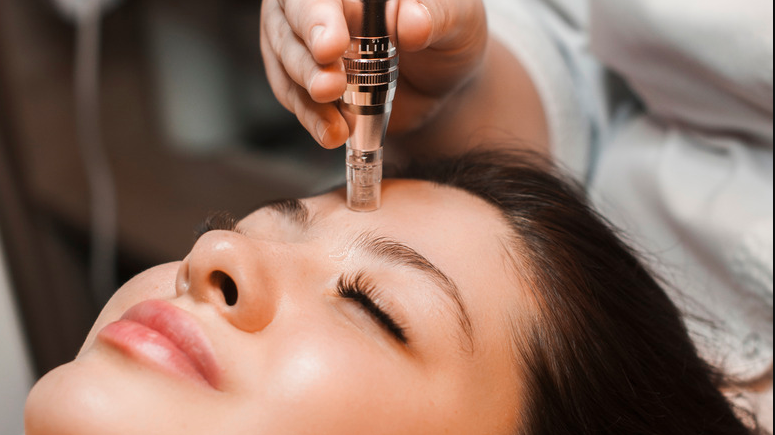
Hair loss can be frustrating, especially when thinning hair starts affecting your confidence and appearance. PRP Hair Treatment in Lahore has become a popular non-surgical option for people looking to improve hair density and reduce ongoing hair shedding. PRP, or platelet-rich plasma, uses a concentrated portion of your own blood to deliver platelets and growth factors to the scalp. At Cosmolux, understanding the cause of hair loss is an important first step before deciding whether this treatment is suitable for you.
What Is PRP Hair Treatment?
PRP is an autologous treatment, meaning the patient's own blood is used. During the procedure, a small amount of blood is collected and processed to separate platelet-rich plasma. The prepared plasma is then carefully injected into areas of the scalp affected by thinning.
Platelets contain various growth factors that may support the natural hair-growth cycle and improve the environment around hair follicles. Research has found that PRP may increase hair density in people with pattern hair loss, although treatment protocols and results vary between studies.
How Can PRP Help With Hair Loss?
One of the main reasons people consider PRP is to address thinning hair before it becomes more advanced. Clinical research suggests that PRP can help improve hair density and may reduce hair loss in some patients. A recent systematic review of 43 randomized controlled trials found evidence supporting improvements in hair density and reduction in hair loss, while also highlighting differences between treatment protocols.
PRP may be particularly worth discussing if you have early or moderate androgenetic alopecia, commonly known as male or female pattern hair loss. However, it is not a guaranteed solution for every type of hair loss.
Who May Be a Good Candidate?
The ideal candidate depends on the reason behind the hair loss, the condition of the scalp, existing hair density and overall health. People with early-stage thinning may potentially benefit because functioning hair follicles are still present.
If you have sudden or unexplained hair shedding, a medical assessment should come first. Hair loss can be associated with nutritional deficiencies, hormonal changes, stress, certain illnesses, medications or scalp conditions. Treating the underlying issue may be more important than starting a cosmetic procedure.
For advanced baldness where follicles are no longer active, PRP alone may not provide the desired coverage. In such cases, a consultation at a reputable hair transplant clinic in lahore can help you understand whether surgical hair restoration or a combination approach is more appropriate.
What Happens During a PRP Session?
A typical session involves three basic stages: blood collection, preparation of platelet-rich plasma and scalp injections. The scalp may be cleansed and a local numbing method may be used to make the procedure more comfortable.
The treatment is generally performed as an outpatient procedure, so patients can usually return home afterward. Mild tenderness, redness or swelling can occur temporarily following injections. Studies generally report no serious treatment-related adverse events, although individual experiences can differ.
How Many Sessions Are Needed?
There is no single treatment schedule that works for everyone. The number and spacing of sessions depend on the patient's hair-loss pattern, response to treatment and the protocol used by the practitioner.
It is important not to judge the outcome immediately after treatment. Hair growth is a gradual biological process, and improvements may take several months to become noticeable. A qualified practitioner can establish a personalized treatment plan and monitor changes in hair density over time.
PRP vs. Hair Transplant: Which Is Better?
PRP and hair transplantation serve different purposes. PRP is a non-surgical treatment intended to support existing follicles and improve hair density. A hair transplant, on the other hand, moves healthy follicles from one area of the scalp to areas with significant thinning or baldness.
For someone with early thinning, PRP may be considered as part of a non-surgical hair-management plan. For advanced permanent hair loss, transplantation may be more suitable. In some cases, doctors may recommend combining treatments depending on the patient's needs.
Choosing the Right Hair Clinic in Lahore
When considering PRP Hair Treatment in Lahore, don't choose a clinic based only on promotional offers or before-and-after photographs. Ask about the practitioner's qualifications, diagnosis process, PRP preparation method, treatment plan and follow-up care.
Cosmolux focuses on personalized aesthetic and dermatological care, helping patients understand their options before proceeding with treatment. A proper consultation can help determine whether PRP is appropriate or whether another approach would better address your hair concerns.
Other Aesthetic Treatments at Cosmolux
Hair restoration is only one part of modern aesthetic care. Patients interested in improving unwanted hair may also explore Laser Hair Removal in Lahore, while those looking for skin hydration and a refreshed appearance can consider the Best HydraFacial in Lahore based on their individual skin needs.
For patients concerned about tired-looking eyes, pigmentation and under-eye darkness, Dark Circles Treatment in Lahore may also be discussed during a professional skin consultation.
Is PRP Worth Considering for Hair Loss?
PRP can be a promising option for selected patients, particularly those experiencing pattern hair loss with active follicles. Evidence suggests potential improvements in hair density, but researchers also note variation in study methods, PRP preparation and treatment schedules.
The key is having realistic expectations. PRP is not an instant cure for baldness, and results are not identical for everyone. A proper diagnosis and individualized treatment plan are essential before starting.
Frequently Asked Questions
1. Is PRP painful?
Some patients experience mild discomfort during scalp injections. A numbing method may be used to improve comfort, depending on the treatment protocol.
2. How long does PRP take to show results?
Hair growth takes time. Visible improvement generally cannot be expected immediately, and patients may require several months of follow-up to assess changes.
3. Is PRP suitable for men and women?
Yes. PRP has been studied in both men and women with different forms of hair loss, particularly androgenetic or pattern hair loss. Suitability should be determined after an individual assessment.
4. Can PRP completely regrow bald areas?
PRP should not be promoted as a guaranteed method for completely restoring bald areas. Its potential benefit is generally related to supporting existing or weakened follicles rather than creating new follicles.
5. Should I choose PRP or a hair transplant?
It depends on the cause and severity of your hair loss. PRP may be considered for thinning hair with viable follicles, while a hair transplant may be more appropriate for advanced permanent baldness.
Final Thoughts
Hair loss is personal, and the right treatment depends on what is causing it and how advanced it has become. PRP offers a minimally invasive approach that may improve hair density for selected patients, but professional assessment and realistic expectations are essential. If you are considering treatment, Cosmolux can help you understand your options and choose an approach suited to your hair and scalp condition.

 English
 Arabic
 French
 Spanish
 Portuguese
 Deutsch
 Turkish
 Dutch
 Italiano
 Russian
 Romaian
 Portuguese (Brazil)