


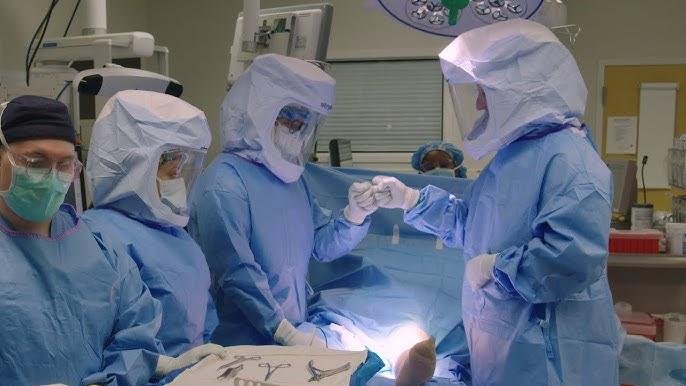
Undergoing aesthetic surgery is a deeply personal decision, often representing months or years of thoughtful consideration, research, and emotional investment. Whether choosing a facelift, mommy makeover, abdominoplasty, breast reconstruction, or high-definition liposuction, patients typically dedicate significant time to vetting board-certified plastic surgeons, reviewing before-and-after portfolios, and planning time away from professional and personal commitments.
Yet, an equally decisive chapter of the surgical journey begins the moment the operating room doors open and the procedure concludes: postoperative recovery.
While surgical technique sets the foundation for an aesthetic outcome, the immediate post-operative period determines how smoothly, safely, and comfortably that outcome is realized. In recent years, private postoperative care has evolved from an optional luxury into a clinical standard for discerning patients. Central to this standard is the cosmetic surgery recovery nurse—a specialized registered nurse dedicated to bridging the critical gap between hospital discharge and full home independence.
What Is a Cosmetic Surgery Recovery Nurse?
A cosmetic surgery recovery nurse is a licensed healthcare professional—most commonly a Registered Nurse (RN) with acute care, post-anesthesia care unit (PACU), or surgical step-down experience—who specializes in managing the physiological and psychological nuances of aesthetic post-operative care.
Unlike standard home health aides who assist primarily with non-medical activities of daily living, a cosmetic surgery recovery nurse provides advanced, medically competent clinical care. Aesthetic procedures carry unique healing trajectories, tissue dynamics, and potential complications that general postoperative protocols do not always address. Specialized recovery nurses understand:
-
The delicate mechanics of surgical flap perfusion
-
Pressure dynamics of specialized medical compression garments
-
Surgical drain output rates and fluid characteristics
-
Medication schedules tailored to combat acute pain, surgical nausea, and muscle spasms
-
Subtleties of early aesthetic healing versus emerging complications
By delivering one-on-one medical oversight in a private residence, luxury recovery retreat, or hotel suite, a recovery nurse ensures clinical vigilance without sacrificing privacy, comfort, or dignity.
Why the First 24 to 72 Hours Dictate Your Surgical Results
The initial 72 hours following any invasive cosmetic procedure represent the highest-risk window for post-surgical complications. As general anesthesia, intravenous sedatives, and local tumescent solutions metabolize, the body initiates an intense inflammatory cascade.
During this vulnerable transition, patients frequently encounter disorientation, nausea, fluctuating blood pressure, acute discomfort, and severe mobility limitations. Expecting a family member or friend—regardless of how well-intentioned they are—to manage complex clinical protocols can lead to unneeded stress and inadvertent medical missteps.
A cosmetic surgery recovery nurse actively safeguards this critical window across several foundational areas:
1. Proactive Pain and Nausea Optimization
Pain management after aesthetic surgery is not merely about comfort; it is a critical physiological safety measure. Uncontrolled pain spikes blood pressure (hypertension), which dramatically increases the risk of postoperative hematoma—a localized collection of blood beneath the skin that can compromise surgical results and necessitate emergency surgical evacuation.
A dedicated nurse administers prescribed oral or intravenous analgesics on a precise, proactive schedule rather than waiting for breakthrough pain to peak. Concurrently, they monitor for and manage post-operative nausea and vomiting (PONV). Forceful retching raises intra-abdominal and cephalic venous pressure, posing immediate threats to delicate suture lines in procedures like abdominoplasties, blepharoplasties, and rhytidectomies.
2. Surgical Drain Management and Fluid Tracking
Procedures such as tummy tucks, body lifts, and extensive liposuction frequently involve closed-suction drainage systems (such as Jackson-Pratt drains) to evacuate lymphatic fluid, serum, and residual blood from the surgical pocket.
Accurate maintenance of these systems requires clinical expertise:
-
Maintaining constant bulb vacuum suction
-
Stripping or milking tubing to prevent fibrin clot blockages
-
Measuring fluid volumes precisely at designated intervals
-
Assessing fluid color and consistency (e.g., transition from sanguineous to serosanguineous to serous fluid)
Sudden spikes in drainage volume or shifts to bright, fresh blood can signal active internal bleeding. A specialized recovery nurse identifies these subtle variations immediately, communicating directly with the surgical team before a minor issue becomes an emergency.
3. Incision Care, Tissue Viability, and Dressing Changes
Aesthetic procedures rely on precise incisions designed to heal with minimal, discreet scarring. Proper wound hygiene during the acute phase is paramount.
Recovery nurses perform sterile or clean dressing changes strictly according to the surgeon’s orders. Beyond changing gauze, they assess incision margins for signs of superficial infection, seroma development, suture dehiscence, or compromised blood supply (ischemia). In skin-sparing procedures, fat transfers, or facelifts, recognizing microvascular compromise early can make the difference between complete tissue preservation and skin necrosis.
4. DVT Prevention and Early Ambulation
Venous thromboembolism (VTE), including Deep Vein Thrombosis (DVT) and Pulmonary Embolism (PE), remains one of the most serious systemic risks of surgery. Extended operative times combined with patient immobility elevate this risk significantly.
A cosmetic surgery recovery nurse implements rigorous anti-embolic protocols:
-
Ensuring proper placement and operation of sequential compression devices (SCDs)
-
Checking anti-embolism stockings for proper fit and circulation
-
Assisting the patient with safe, gentle, and frequent ambulation starting within hours of surgery
-
Monitoring for unilateral calf swelling, tenderness, warmth, or shortness of breath
Having an experienced nurse physically support early walks ensures safety against orthostatic hypotension (dizziness caused by sudden drops in blood pressure upon standing) and prevents falls.
Beyond Clinical Vitals: The Value of Emotional Reassurance
Physical recovery represents only half the post-operative experience; the psychological toll of cosmetic surgery is substantial. Post-surgical emotional vulnerability—often referred to in the medical community as "post-op blues"—is a recognized phenomenon triggered by:
-
Biochemical clearance of general anesthetic agents
-
Systemic physical trauma and inflammation
-
Temporary confinement and lack of normal sleep
-
"Mirror shock," the initial disorientation of seeing extreme bruising, swelling, and surgical garments
During this period, patients often experience anxiety, questioning whether their swelling is normal or whether their choice to undergo surgery was a mistake.
A specialized nurse provides continuous, empathetic grounding. Having cared for hundreds of individuals across identical healing trajectories, an experienced nurse can distinguish between standard tissue edema and problematic fluid accumulation, reassuring the patient with clinical authority. This steady presence reduces cortisol levels, alleviates stress, and fosters a restorative mental environment that actively supports physical healing.
Navigating Complex Recovery: Procedure-Specific Protocols
Different surgical procedures carry distinct postoperative trajectories. A dedicated recovery nurse customizes their protocol based on the specific anatomical changes:
Mommy Makeovers and Abdominoplasty
Tummy tucks involve muscle plication (repair of diastasis recti) and significant skin excision, requiring patients to maintain a flexed "beach chair" posture for days to avoid tension on the abdominal wall. A recovery nurse assists with bed transfers, supports the core during coughing, maintains drain patency, and ensures the abdominal binder provides balanced compression without pinching skin folds or compromising respiratory effort.
Brazilian Butt Lift (BBL) and Gluteal Fat Transfer
BBL recovery requires strict adherence to offloading protocols: patients must avoid sitting or lying directly on transferred fat cells for several weeks to allow newly grafted adipocytes to revascularize. A nurse helps manage position changes, facilitates comfortable prone or lateral positioning using specialized pillows, manages drain care, and monitors for contour-affecting friction or pressure spots.
Facial Rejuvenation (Facelifts, Neck Lifts, Blepharoplasty)
Facial surgery demands meticulous head elevation (typically 30 to 45 degrees) to mitigate swelling and prevent hematoma formation. Nurses manage cold compress schedules, evaluate skin flap warmth and capillary refill, assist with liquid or soft nutritional intake, and ensure that hair or dressings do not exert undue tension behind the ears or along the hairline.
How Specialized Care Protects the Surgical Investment
Aesthetic surgery represents a substantial financial, physical, and emotional investment. Attempting to manage the recovery phase unassisted or relying entirely on untrained caregivers introduces unnecessary variables.
+--------------------------------------------------------------------------------+
|                        THE POST-SURGICAL CARE SPECTRUM                         |
+--------------------------------------------------------------------------------+
|  Untrained Caregiver                     Private Aesthetic Recovery Nurse       |
|  - Relies on guesswork                   - Clinical assessment & vital signs   |
|  - Hesitant with drain management        - Expert fluid & vacuum tracking      |
|  - Reactive to breakthrough pain         - Proactive medication timing         |
|  - Potential caregiver burnout           - Seamless surgical team liaison      |
|  - Anxiety during acute swelling         - Objective reassurance & monitoring  |
+--------------------------------------------------------------------------------+
When patients choose dedicated private nursing, they eliminate the burden of care from spouses, partners, or parents. Instead of acting as temporary medical attendants, loved ones can simply offer emotional warmth while a licensed professional oversees medical charting, vital signs, drain logs, and medication dispensing.
For patients seeking tailored, one-on-one postoperative clinical oversight, exploring services through Plastic Surgery Nurse provides a clear view of how private registered nursing care integrates directly with outpatient cosmetic practices, ensuring consistent safety standards from the operating facility back to your home.
When to Arrange for a Recovery Nurse
The ideal time to coordinate recovery nursing is several weeks prior to your scheduled surgery date. Coordinating early allows the nursing provider to:
-
Review Surgical Plans and Medical History: Understand preexisting health conditions, prescribed medications, allergies, and the surgeon's exact postoperative preferences.
-
Coordinate with the Surgical Office: Establish direct communication channels with the surgeon's clinical coordinators to confirm discharge requirements, emergency contact protocols, and follow-up appointment schedules.
-
Prepare the Recovery Environment: Advise on necessary supplies—from medical-grade chux pads and sterile dressings to specialized wedge pillows, hydration supplies, and mobility aids.
-
Plan Transit and Arrival: Arrange for safe, dignified transfer from the surgical facility directly to the recovery setting, ensuring a smooth transition during the groggy post-anesthesia phase.
Conclusion: Setting the Stage for Seamless Healing
The pursuit of aesthetic enhancement is ultimately a pursuit of self-confidence, rejuvenation, and well-being. However, the true outcome of cosmetic surgery is co-created during the weeks following the operation.
By incorporating a specialized cosmetic surgery recovery nurse into your surgical plan, you establish a safe, serene, and medically sound framework for your recovery. From vital sign monitoring and drain measurement to early ambulation, scar protection, and steady emotional reassurance, a private nurse ensures that your recovery matches the excellence of your surgical procedure—allowing you to rest comfortably, heal predictably, and enjoy your results with complete peace of mind.

 English
 Arabic
 French
 Spanish
 Portuguese
 Turkish
 Dutch
Dutch
 Italiano
 Russian
 Romaian
 Portuguese (Brazil)
 Greek
Greek