


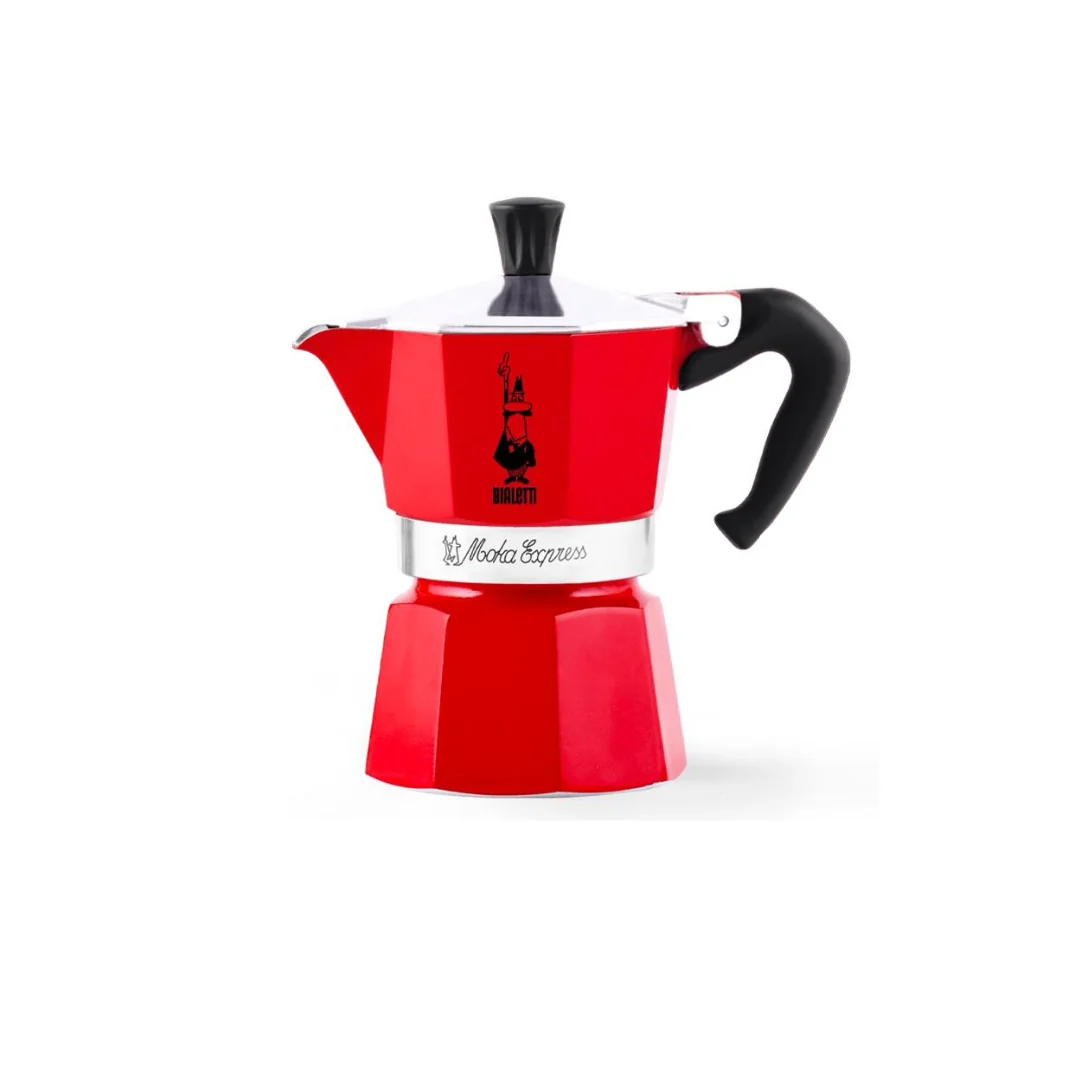
Grinding whole coffee beans immediately before brewing gives users greater control over one of the most important variables in coffee preparation. The grinder determines the size and distribution of the coffee particles used for extraction. Different brewing methods require different grind characteristics, from fine particles for espresso to coarse particles for French press. Grinder design also affects convenience, consistency, speed, and adjustment control. Choosing suitable equipment requires more than comparing technical specifications or grinder type alone. The right option depends on brewing method, frequency of use, quantity, available space, maintenance needs, and personal preferences.
What is a coffee bean grinder and why is it important?
A coffee bean grinder is designed to break whole roasted beans into smaller particles before brewing. Grinding increases the surface area available for water to contact, allowing soluble compounds and aromatic components to be extracted. Grinding shortly before brewing can help preserve the characteristics of freshly roasted coffee because ground coffee has more exposed surface area than whole beans. The grinder therefore provides an important connection between coffee storage and brewing.
Grind size affects the rate at which extraction occurs. Fine particles generally allow faster extraction because more surface area is exposed to water. Coarse particles provide less surface area and normally require more contact time. A grind that is too fine can make a brew excessively slow or overly extracted, while an overly coarse setting can produce fast water movement and under-extraction. The correct setting depends on the brewing method, coffee, dose, water, temperature, and recipe.
What is the difference between an electric coffee grinder and a manual grinder?
An electric coffee grinder uses a motor to operate the grinding mechanism, which reduces physical effort and usually makes repeated grinding faster. It can be convenient for households that prepare several cups each day or for users who regularly switch between brewing methods. Manual grinders use a hand-operated mechanism and do not require electricity, making them practical for travel, outdoor brewing, or small quantities.
Manual and electric grinders can both offer adjustable grinding. Their differences are mainly related to workflow and operation rather than one type automatically producing superior coffee. Electric models generally provide greater convenience and speed, while manual models can offer portability and quiet operation. Manual grinding requires more physical effort, especially when grinding larger quantities or using a finer setting.
Why is a burr coffee grinder better for consistent coffee grounds?
A burr coffee grinder crushes coffee beans between two grinding surfaces rather than cutting them with a rotating blade. The distance between the burrs can usually be adjusted, allowing users to control the approximate particle size. This makes burr mechanisms useful when consistent grinding is important for brewing.
Particle consistency affects extraction because different particle sizes release soluble compounds at different rates. Very fine particles can extract quickly, while larger particles usually extract more slowly. A more controlled particle distribution can therefore make it easier to adjust brewing variables. However, a burr grinder does not automatically guarantee superior flavour. Bean freshness, roast level, water quality, dose, temperature, brewer design, and technique also influence the final cup.
Conical and flat burrs are the two main configurations. Conical burrs use cone-shaped grinding surfaces, while flat burrs use two flat surfaces. Both can be designed for different brewing requirements. Burr geometry, alignment, adjustment mechanism, motor characteristics, and grinder construction should all be considered when evaluating practical performance.
How do I choose the right coffee grinder for my brewing method?
Your primary brewing method should guide the required grind range. Espresso generally needs a fine grind because water passes through a compact coffee bed under pressure. Pour-over and drip coffee often use medium to medium-fine grounds. French press commonly uses coarse grounds, while moka pot preparation generally requires a finer grind than standard filter brewing.
Useful starting ranges include:
-
Espresso: fine
-
Moka pot: fine to medium-fine
-
Pour-over: medium-fine to medium
-
Drip coffee: medium
-
French press: coarse
These ranges are starting points rather than fixed rules. Different beans can require different settings because roast level, density, freshness, processing method, dose, and recipe affect extraction. If coffee tastes weak and the brewing process is unusually fast, a finer setting may help. If it tastes excessively bitter and brewing is slow, a slightly coarser setting may be appropriate.
Users who prepare espresso and filter coffee may benefit from a grinder with a broad adjustment range. Someone who prepares only one brewing style may find a simpler adjustment system sufficient.
What should I consider when buying a coffee grinder?
When selecting coffee grinding equipment, consider how the grinder will fit into your actual brewing routine. Start with the brewing methods you use, then evaluate how much coffee you prepare, how frequently you grind, how much adjustment you need, and how much counter space is available. Cleaning requirements, noise, capacity, and budget are also practical considerations.
Features worth comparing include:
-
Burr design and material
-
Grind adjustment range
-
Adjustment precision
-
Bean capacity
-
Hopper configuration
-
Single-dose operation
-
Ground coffee retention
-
Dosing method
-
Cleaning access
-
Motor performance
-
Noise level
-
Overall footprint
Retention refers to the coffee grounds that remain inside the grinder after grinding. A hopper is a container that holds beans before they enter the grinding mechanism. Single dosing means adding the quantity needed for each brew instead of storing a larger quantity in the hopper. This approach may be useful for people who frequently change beans or want to grind a measured dose at a time.
Home users often benefit from simple controls and manageable cleaning requirements. Commercial users may place greater emphasis on capacity, speed, repeatability, workflow, adjustment control, and durability because the grinder may operate frequently throughout the day.
What is the difference between blade and burr grinders?
Blade grinders use a rotating blade to break coffee beans into smaller pieces. The resulting particles can vary significantly in size because the beans are cut and moved around the chamber rather than being passed through a controlled grinding gap. Grinding for longer may make the overall mixture finer, but it does not create the same type of adjustment control found in burr mechanisms.
Burr grinders crush beans between two surfaces with a defined gap. Adjusting that gap changes the approximate particle size. This design is particularly useful when brewing methods require specific grind characteristics. Blade grinders can still be practical for basic coffee preparation when precise particle consistency is not a major priority.
What are conical and flat burrs?
Conical burrs have cone-shaped grinding surfaces, with one burr positioned inside another. Flat burrs consist of two flat grinding surfaces positioned opposite one another. Both configurations are used in home and commercial grinders and can support different brewing applications.
The burr shape should not be considered in isolation. Alignment, burr geometry, adjustment precision, grinding chamber design, motor performance, and intended use all contribute to how a grinder performs. Beginners should first identify their brewing requirements and then compare burr designs within suitable grinders.
How does grind adjustment affect extraction?
Grind adjustment changes the approximate size of the particles produced by the grinder. A finer grind usually exposes more surface area to water and can increase the extraction rate. A coarser grind generally reduces exposed surface area and can slow extraction.
Small changes are useful when adjusting a recipe. For espresso, a slightly finer setting can slow a fast-running shot, while a slightly coarser setting can help when water moves too slowly. Filter coffee can also be adjusted according to brewing time and flavour. These changes should be made gradually because the appropriate setting depends on the specific coffee and brewing setup.
How should I clean and maintain a coffee grinder?
Coffee residue can accumulate around the burrs, grinding chamber, hopper, and discharge path. Old grounds and oils may affect the flavour of later batches and can contribute to buildup. Regular cleaning helps maintain a cleaner grinding environment and makes routine operation easier.
Maintenance procedures vary according to grinder design. Users should follow the manufacturer's instructions when removing burrs or cleaning internal areas. Accessible grounds can be removed with suitable cleaning tools, while electrical components should be protected from moisture unless the equipment is specifically designed for washing.
Conclusion
A grinder gives coffee drinkers control over how whole beans are prepared before brewing.
Electric and manual models provide different combinations of speed, convenience, effort, portability, and noise.
Burr grinding generally offers greater particle control than basic blade grinding, although it is only one part of good coffee preparation.
The correct grind depends on the brewing method, bean characteristics, dose, water, temperature, and recipe.
Burr design, adjustment range, capacity, retention, cleaning, and noise are useful factors when comparing grinders.
Beginners should choose practical features that fit their regular brewing habits rather than focusing on specifications they may not need.
Fresh beans, suitable grind control, accurate brewing parameters, and consistent technique can work together to produce more repeatable coffee.

 English
 Arabic
 French
 Spanish
 Portuguese
 Deutsch
 Turkish
 Italiano
 Russian
 Romaian
 Portuguese (Brazil)
 Greek
Greek